Zoom Settles $150M Class Action Over Privacy and Security Issues

Zoom Settled With Investors Over Encryption and Privacy Failures
Zoom Video Communications has agreed to pay $150 million to settle a class action lawsuit filed by investors. The lawsuit claimed that Zoom misled them about its encryption strength and user data handling. The settlement addresses years of scrutiny over Zoom's data privacy practices that intensified during the pandemic.

What Really Happened With Zoom’s Encryption Claims
During its rapid growth in 2020, reports surfaced in July 2019 about security flaws in Zoom’s encryption. Despite claiming to offer full end-to-end encryption, it was actually using transport encryption. The situation worsened in March 2020 when it was revealed that Zoom’s software exposed user data to third parties, including Facebook, leading to a nearly 20% drop in shares.
For more details, visit TradingView News.
Investors Push Back—and Get Results
Even with mounting evidence of security flaws, Zoom continued to market itself as a secure platform. In May 2020, investors filed a lawsuit alleging misrepresentation of the encryption technology and failure to disclose critical weaknesses in privacy protections. The settlement of $150 million aims to provide restitution for shareholders who suffered losses.
Further information can be found at Zoom Video $150M Securities Class Action Settlement.
How to Claim Your Payout
Class members who purchased Zoom common stock or securities between April 18, 2019, and April 6, 2020, are eligible for a claim. The total settlement fund is $150 million, and payments will be proportional to each member's recognized loss compared to total recognized losses of all claimants.
- Claim Deadline: September 16, 2025
- Exclusion Deadline: September 18, 2025
- Fairness Hearing: October 9, 2025
To file a claim, visit Zoom Securities Settlement.
Zoom’s Journey: Rise and Fall
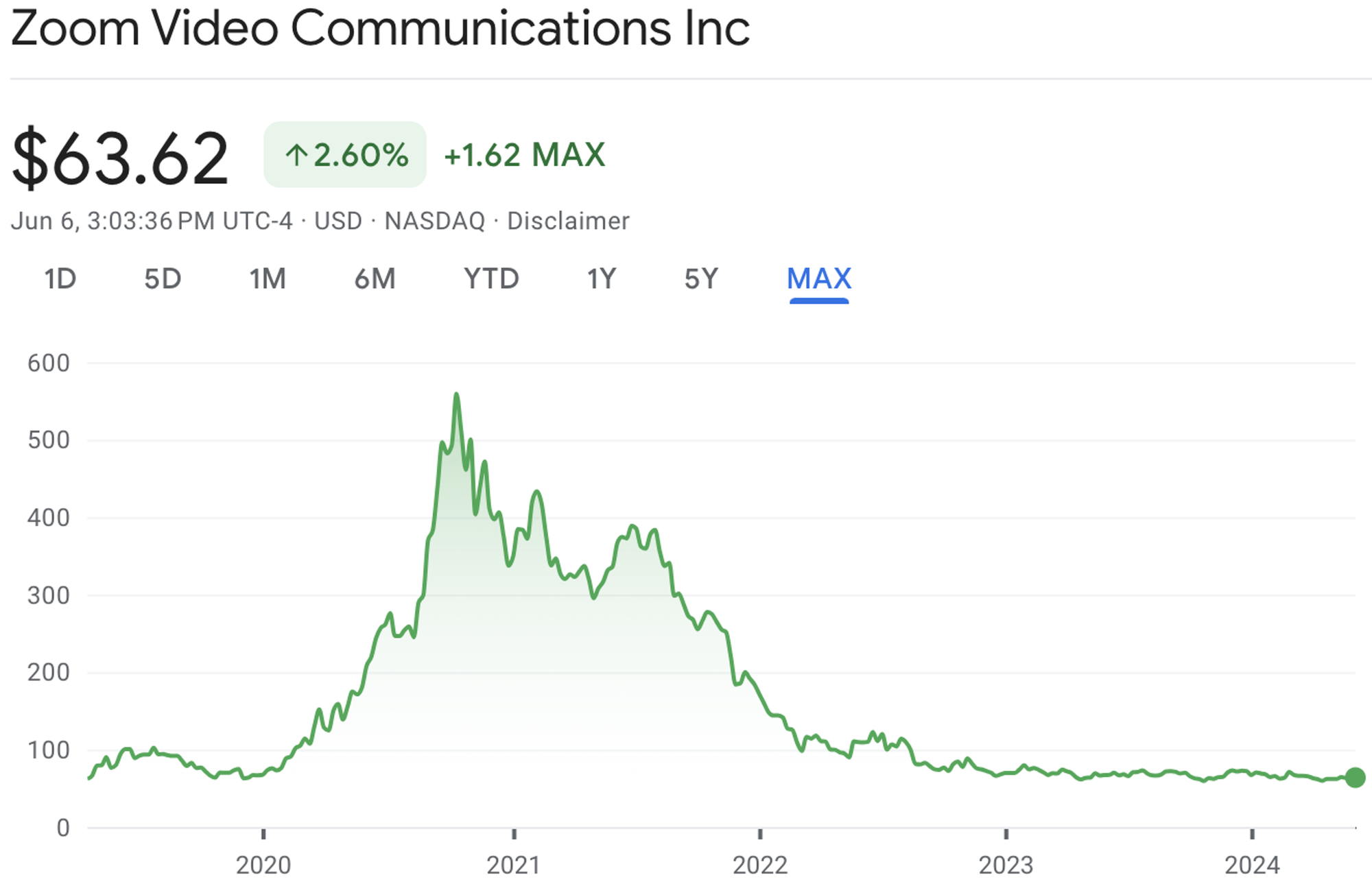
Zoom’s stock performance surged during the pandemic, but security incidents led to volatility. For instance, the stock dropped 17% in early April 2020 after reports of vulnerabilities. Major clients, including SpaceX, banned the platform due to security concerns.
During an earnings call in June 2020, CEO Eric Yuan acknowledged the increased demand for Zoom, stating, “As I have mentioned earlier, the current environment has expanded Zoom’s market opportunities.”
Security Issues And The Investor Lawsuit
Concerns over Zoom’s security practices, such as unauthorized access to meetings (termed “Zoombombing”), sparked lawsuits. The FBI and major corporations raised alarms about the platform's vulnerabilities. Reports indicated that Zoom misrepresented its encryption standards, which led to a class-action lawsuit.
The allegations include sharing user data with third parties without consent, violating international data-sharing rules. Matthew Green, a computer science professor, criticized Zoom's claims of encryption quality, suggesting they were misleading.

Resolving The Case
In response to the backlash, Zoom has made significant improvements to its security features, such as default password protection for meetings and enhanced host controls. The company has also agreed to pay $150 million to affected investors without admitting wrongdoing.
Despite these changes, Zoom faces intense competition from other platforms like Microsoft Teams and Google Meet. Maintaining trust in a privacy-focused market remains a challenge.
For organizations seeking robust security solutions, Gopher Security specializes in AI-powered, post-quantum Zero-Trust cybersecurity architecture. Explore our offerings in cybersecurity, including solutions for secure access and advanced authentication, at Gopher Security.