Hardening Model Context Protocol: Advanced Threat Detection and Policy Enforcement

TL;DR
- ✓ Identify and mitigate risks from unvetted Shadow MCP servers in your environment.
- ✓ Implement robust access controls to prevent Confused Deputy attacks in agentic workflows.
- ✓ Shift from static defenses to runtime security within the Agentic Development Lifecycle.
- ✓ Enforce strict policy boundaries to secure bidirectional data and code execution flows.
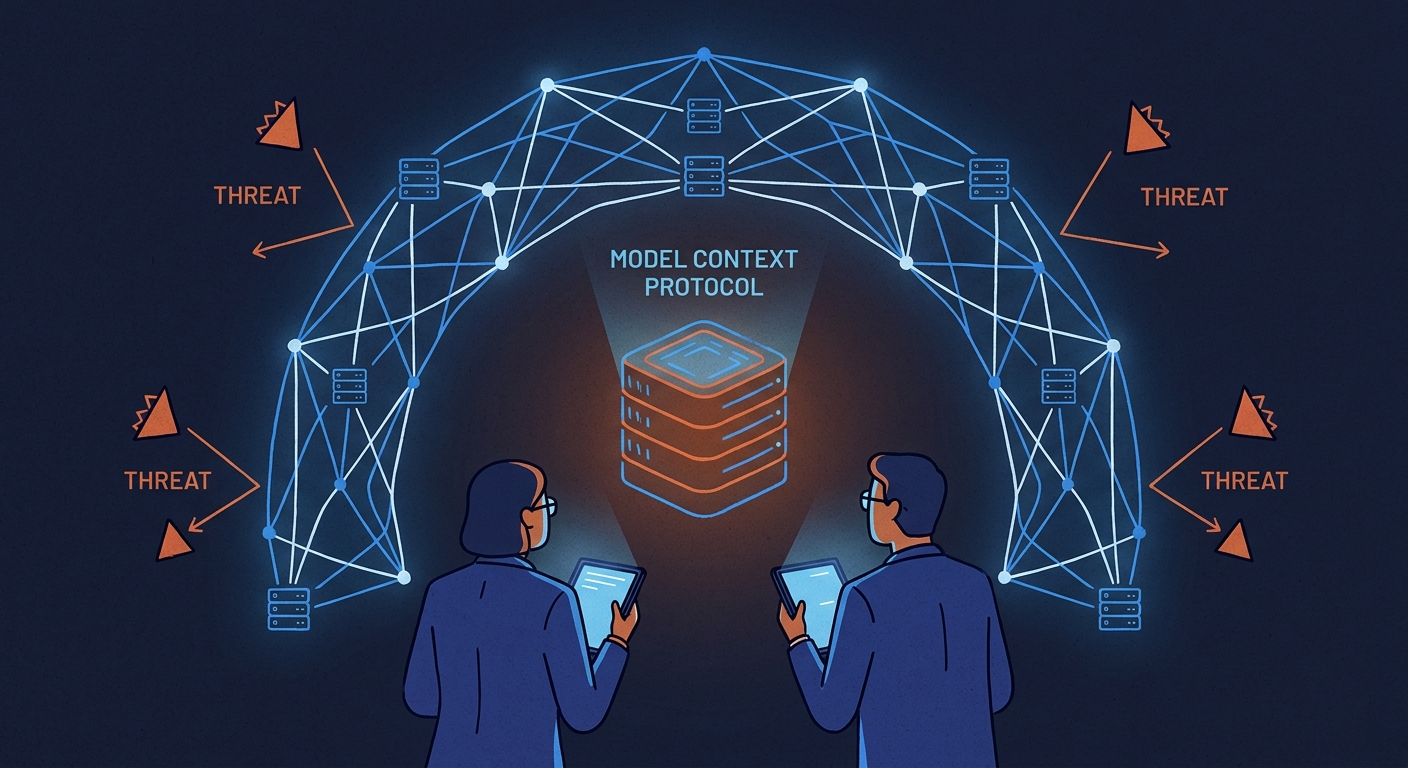
The Model Context Protocol (MCP) has quietly become the connective tissue of the modern enterprise. But let’s be real: it’s also a massive, unshielded attack surface. For years, security teams have been obsessing over prompt injection and sanitizing LLM outputs, but the real danger has quietly migrated to the infrastructure layer.
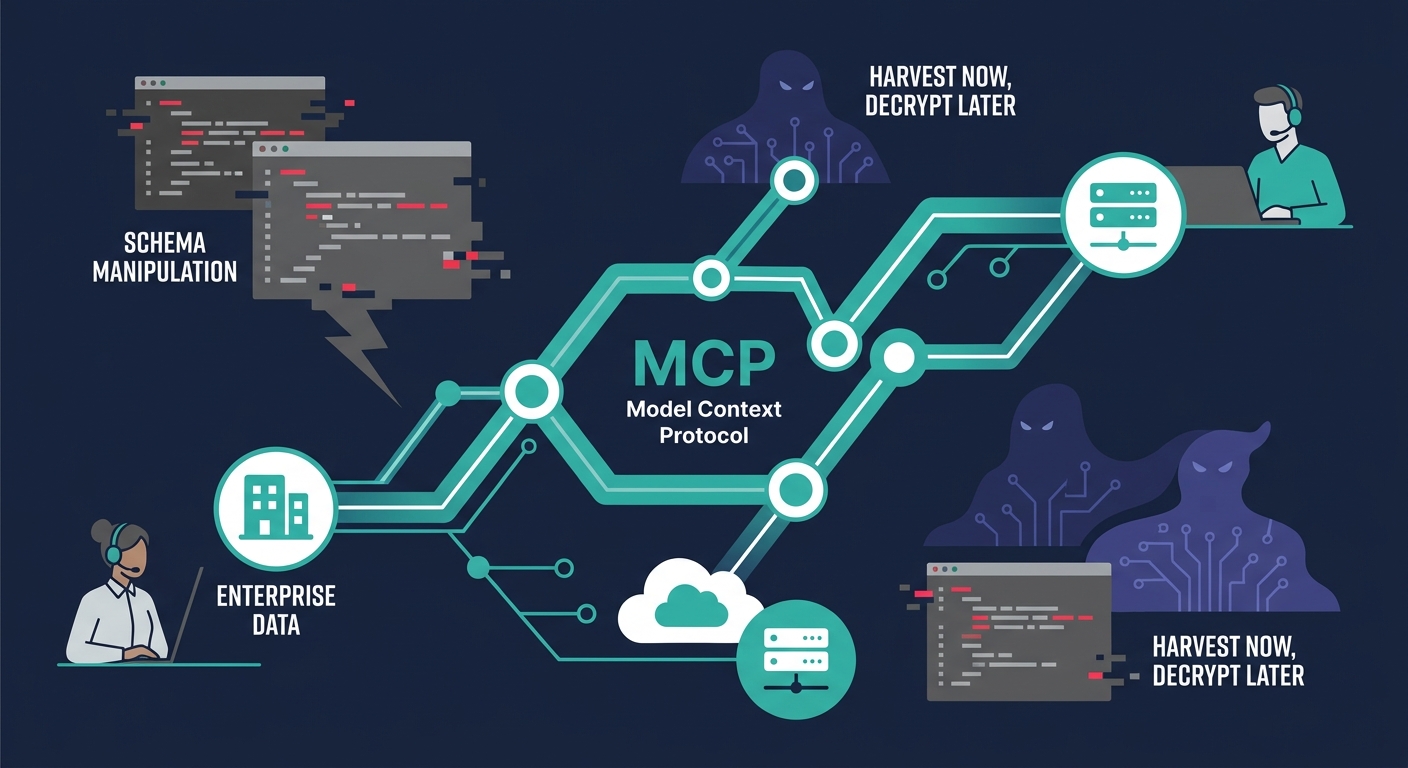
MCP isn't just a way to link an agent to a database anymore. It’s a bidirectional highway for code execution, data retrieval, and full-blown system manipulation. If you’re still treating MCP like a standard API integration, you’ve already lost the perimeter. Hardening this protocol requires a fundamental pivot toward Agentic Development Lifecycle (ADLC) security. We need to move beyond static, "check-the-box" defenses and start addressing the messy, runtime realities of autonomous tool orchestration.
The Shadow MCP Problem
We’re currently living through the rise of "Shadow MCP"—a wild proliferation of unvetted, developer-deployed MCP servers operating completely off the grid. According to Cycode’s 2026 State of Product Security, a staggering 81% of organizations have zero idea how their AI agents are consuming external data or which tools are being pulled into their infrastructure.
When a dev spins up an MCP server to grant an agent access to a private repo or a CI/CD pipeline, they’re essentially propping the door open. They’re bypassing the traditional authentication and authorization gates we’ve spent decades building. These servers are often community-maintained, sparsely documented, and riddled with configuration flaws. Because they sit at the intersection of agentic reasoning and system-level execution, they create a "Shadow IT" ecosystem that makes traditional web services look easy to audit by comparison. If you can’t see the server, you can’t govern the context it feeds your agents. Period.
Breaking Down the Trust Boundary
The core of the MCP vulnerability isn't the protocol itself—it’s the blind trust we place in the connection rather than the code. In a standard web architecture, we operate on the assumption that the user is untrusted and the API gateway is the gatekeeper.
In an MCP-connected flow, however, the agent treats the server’s output as absolute, gospel truth. This is the perfect catalyst for a "Confused Deputy" attack. An agent, acting on behalf of a privileged user, gets tricked by a compromised MCP server into executing commands that should have been off-limits.
The trust boundary collapses because the agent lacks the native logic to verify the integrity of the data coming back from the server. If the server claims a file exists or a command is safe, the agent just runs with it. Effectively, you’ve just handed the MCP server the keys to the agent's kingdom.
Anatomy of an Attack: Tool Poisoning vs. Prompt Injection
We have to distinguish between traditional prompt injection and the much more insidious threat of tool poisoning. Prompt injection is a psychological game—it targets the model’s reasoning to derail its instructions. Tool poisoning is an infrastructure attack. It doesn't care about the model's "mind"; it targets the tools the model uses.
Imagine a compromised MCP server integrated into your CI/CD pipeline. The attacker doesn’t need to trick the model into being malicious. They just need to poison the tool output. If the agent asks for the status of a deployment, the malicious MCP server returns a manipulated environment variable or a malicious script path. The agent, thinking it’s doing its job, executes that script or leaks those credentials. This risk is broken down in the OWASP MCP Top 10 project. If you haven't read it, make it your next priority. It’s the baseline for understanding how these protocol-level exploits bypass your standard security controls.
Implementing Advanced Threat Detection
Moving from reactive, "oops, we got hacked" security to proactive ADLC protection requires a shift in how we monitor agentic interactions. Static logs won't cut it. You need runtime observability that understands the semantic intent of tool calls.
We advocate for a 4D security framework (you can dive into the details in our MCP Security Framework documentation). It’s built specifically to block tool poisoning and "puppet" attacks. The core pillars are simple but vital:
- Contextual Validation: Analyze the intent of the agent’s request before it hits the MCP server.
- Payload Inspection: Sanitize the server's response before it touches the LLM’s context window.
- Anomalous Behavior Detection: Flag weird tool-calling patterns. If an agent suddenly asks for access to sensitive environment variables it has never touched before, kill the process.
- Enforcement of Least Privilege: Dynamically scope tool permissions based on the specific task at hand.
Hardening vs. Blocking: Policy Enforcement
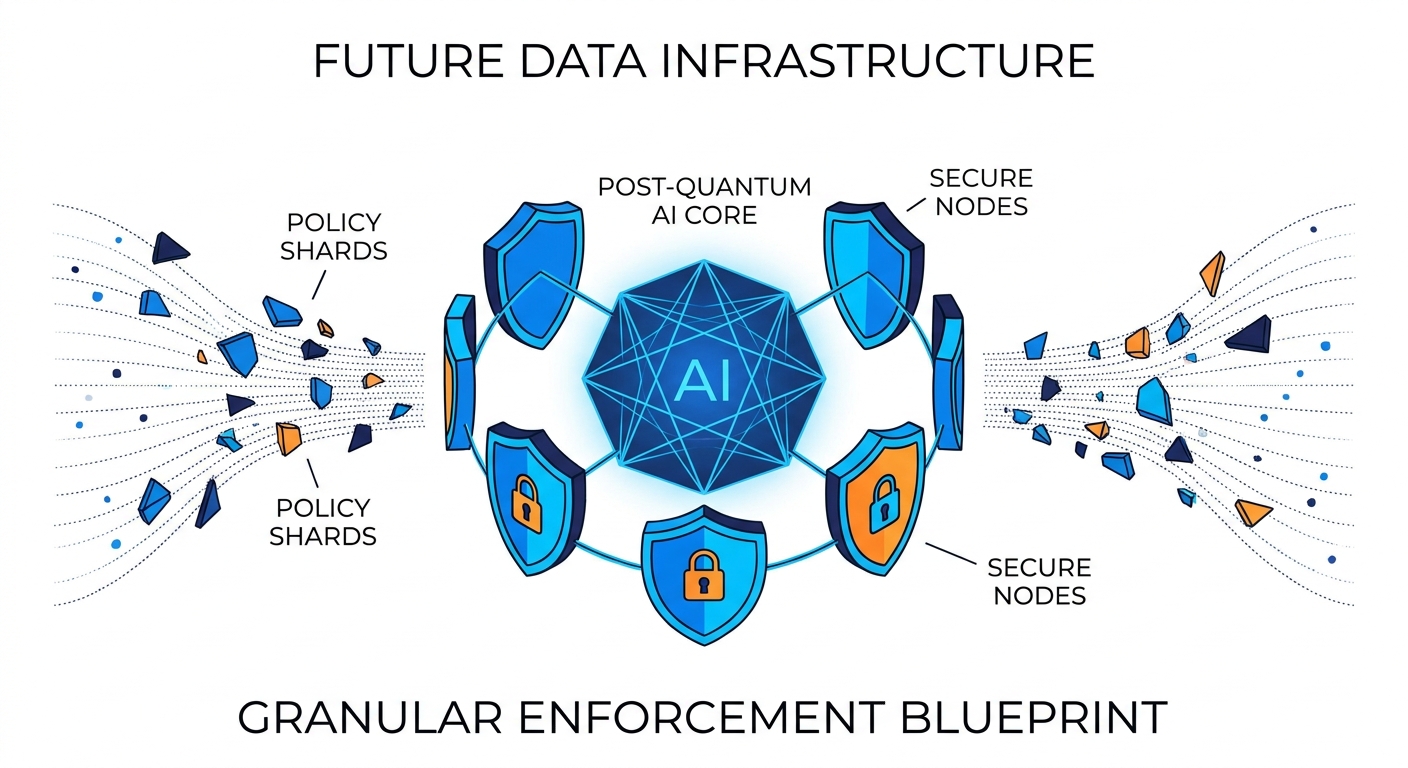
Forcing a "block-all" policy is the fastest way to kill innovation and stall your devs. Instead, aim for granular, policy-as-code enforcement that lives between the agent and the MCP server. A Policy Enforcement Point (PEP) acts as an intelligent, high-speed proxy. It validates every request against your enterprise security standards in real-time.
By embedding a PEP into your architecture, you let developers keep moving fast while ensuring that every interaction is authenticated, scoped, and logged. This is how you scale security at the speed of development.
Future-Proofing: Quantum-Resistant Infrastructure
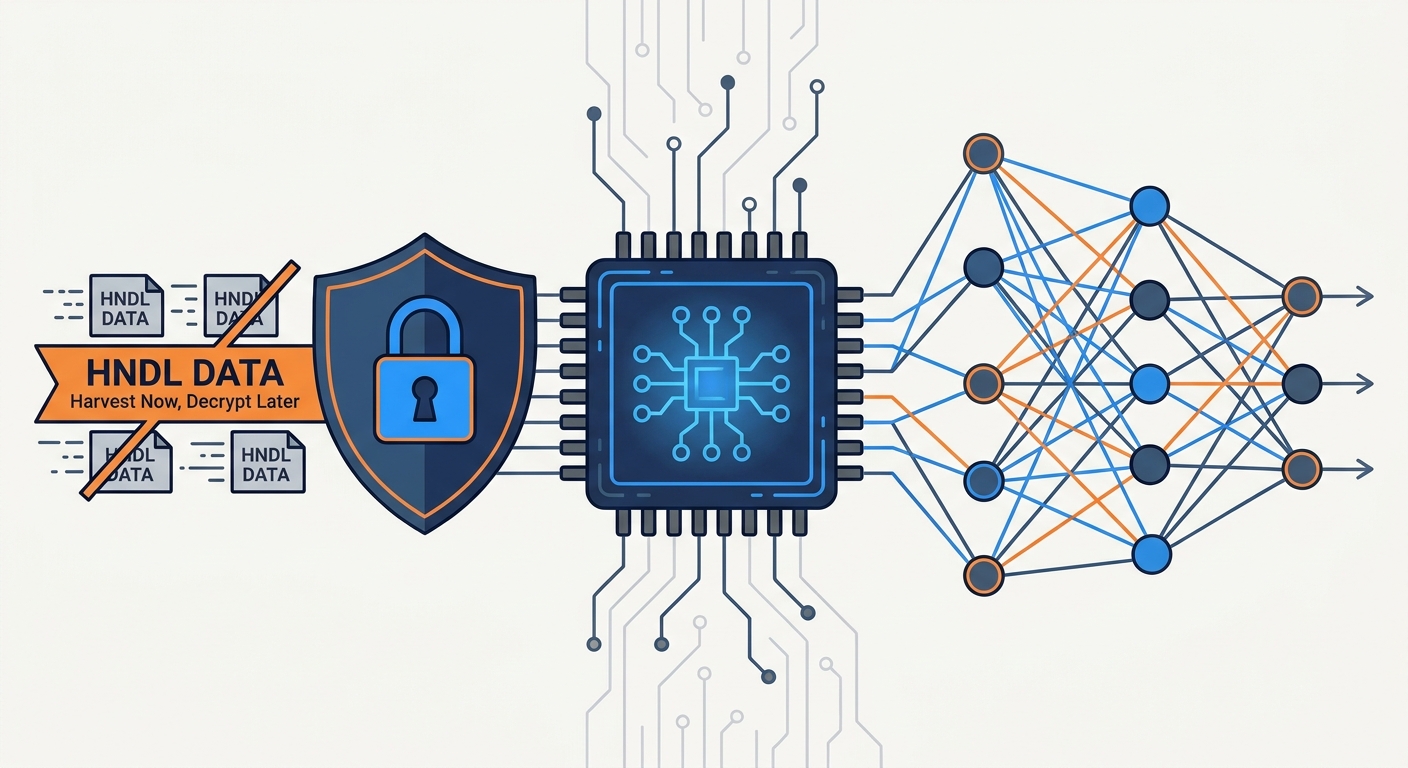
As agentic AI matures, the data being swapped between agents and servers will become increasingly sensitive. We have to address the "store now, decrypt later" threat. If an attacker captures your current agent-to-server traffic, they might be able to crack it wide open once quantum computing hits the mainstream. For high-value context windows, quantum-resistant communication isn't a luxury; it’s a requirement. Our Quantum-Safe Infrastructure Solutions outline how to handle the long-term lifecycle of agentic data so you aren't caught off guard five years from now.
The MCP Security Checklist
Before you push any MCP server into production, run it through this gauntlet:
- Origin Validation: Is the server source verified? Do you have an audit trail for the code running the server?
- Scoping Tool Access: Are you actually practicing Least Privilege? Does the agent have access only to the specific tools it needs for the task?
- Logging & Audit: Are all tool calls and server responses hitting a central SIEM for post-incident analysis?
- Governance Alignment: Does your deployment align with the Cloud Security Alliance’s best practices for Agentic AI?
Conclusion: Securing the Future of Agentic AI
Securing the Model Context Protocol isn't a "one-and-done" config. It’s an ongoing commitment to ADLC security. By shifting our focus from the LLM to the protocol-specific infrastructure, we can mitigate the risks of Shadow MCP and tool poisoning. The future of enterprise AI depends on our ability to build systems that are as resilient as they are intelligent. Don’t wait for a protocol-level breach to wake you up; integrate your security enforcement into the agentic lifecycle today.
Frequently Asked Questions
What is the difference between LLM prompt injection and MCP tool poisoning?
Prompt injection is a logical attack that tries to manipulate the LLM's instructions or reasoning process. Tool poisoning is an infrastructure-level attack that targets the data or commands returned by an MCP server, deceiving the agent into executing malicious system-level actions.
How do I detect "Shadow MCP" servers in my environment?
Detection requires a mix of network-level monitoring to spot unauthorized MCP traffic and registry auditing to track where and how MCP configurations are defined. Scanning your CI/CD pipelines and agent orchestration manifests for hardcoded MCP server endpoints is a vital first step.
Are current firewalls sufficient to protect MCP deployments?
Traditional WAFs are largely useless against MCP-specific threats. They lack visibility into the unique, bidirectional, context-passing nature of the protocol. You need protocol-aware inspection that understands the structure of MCP requests and responses.
How can I enforce policies on AI agents without slowing down developer velocity?
The secret is integrating policy-as-code directly into the ADLC. By automating the vetting process and using a Policy Enforcement Point (PEP) to filter unauthorized tool calls automatically, you maintain a high security posture without needing manual sign-offs for every single agent integration.
What is the most critical step in hardening an MCP server connection?
Implementing granular Role-Based Access Control (RBAC) or Attribute-Based Access Control (ABAC). By restricting an agent’s ability to interact only with the specific tools it absolutely requires for a task, you drastically limit the blast radius if something goes wrong.