5 Pillars of Post-Quantum Security Protocols for AI-Driven Systems

TL;DR
- ✓ Conduct a full cryptographic inventory to identify vulnerable data streams in your AI stack.
- ✓ Implement hybrid encryption to combine classical algorithms with NIST-approved post-quantum standards.
- ✓ Prioritize protecting data with a long shelf life against harvest-now-decrypt-later attacks.
- ✓ Use the belt and suspenders approach to ensure security if new algorithms have flaws.
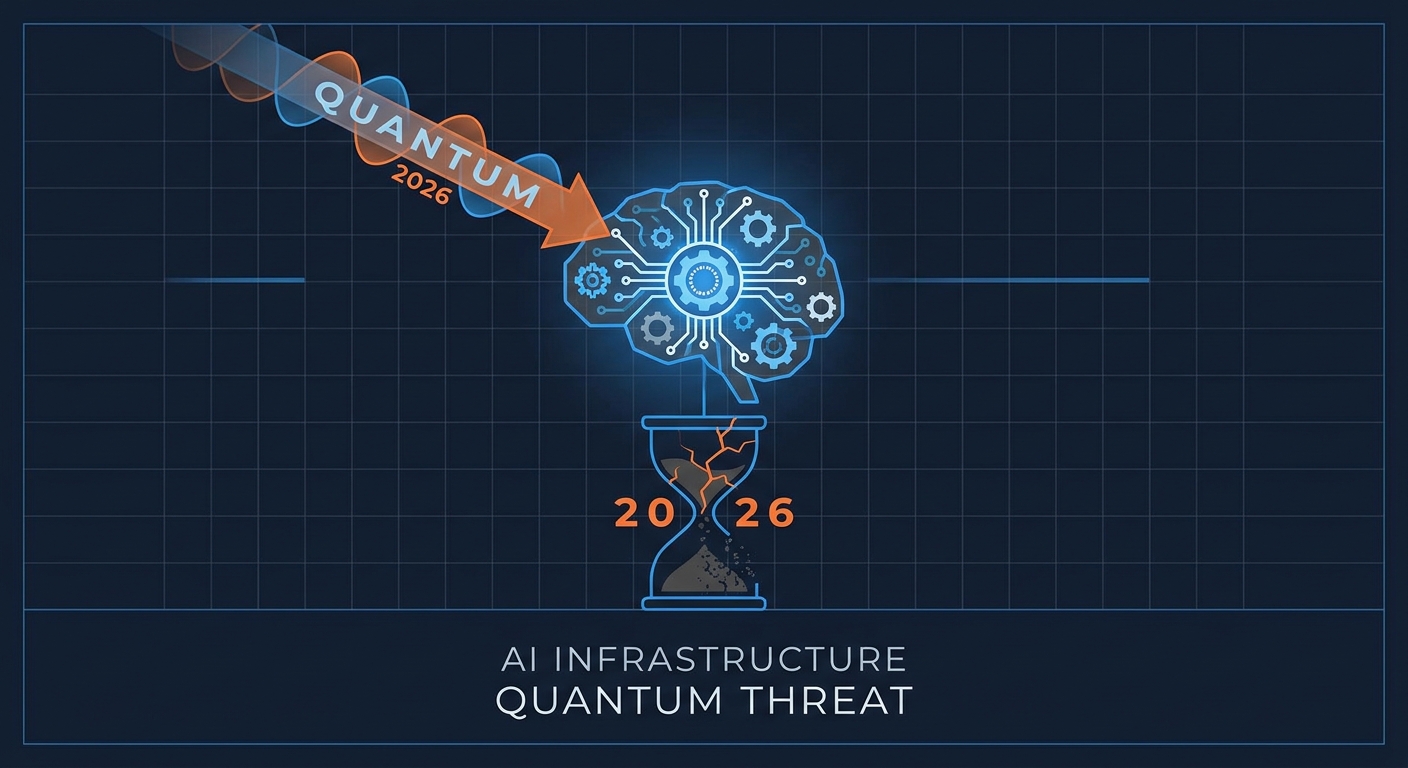
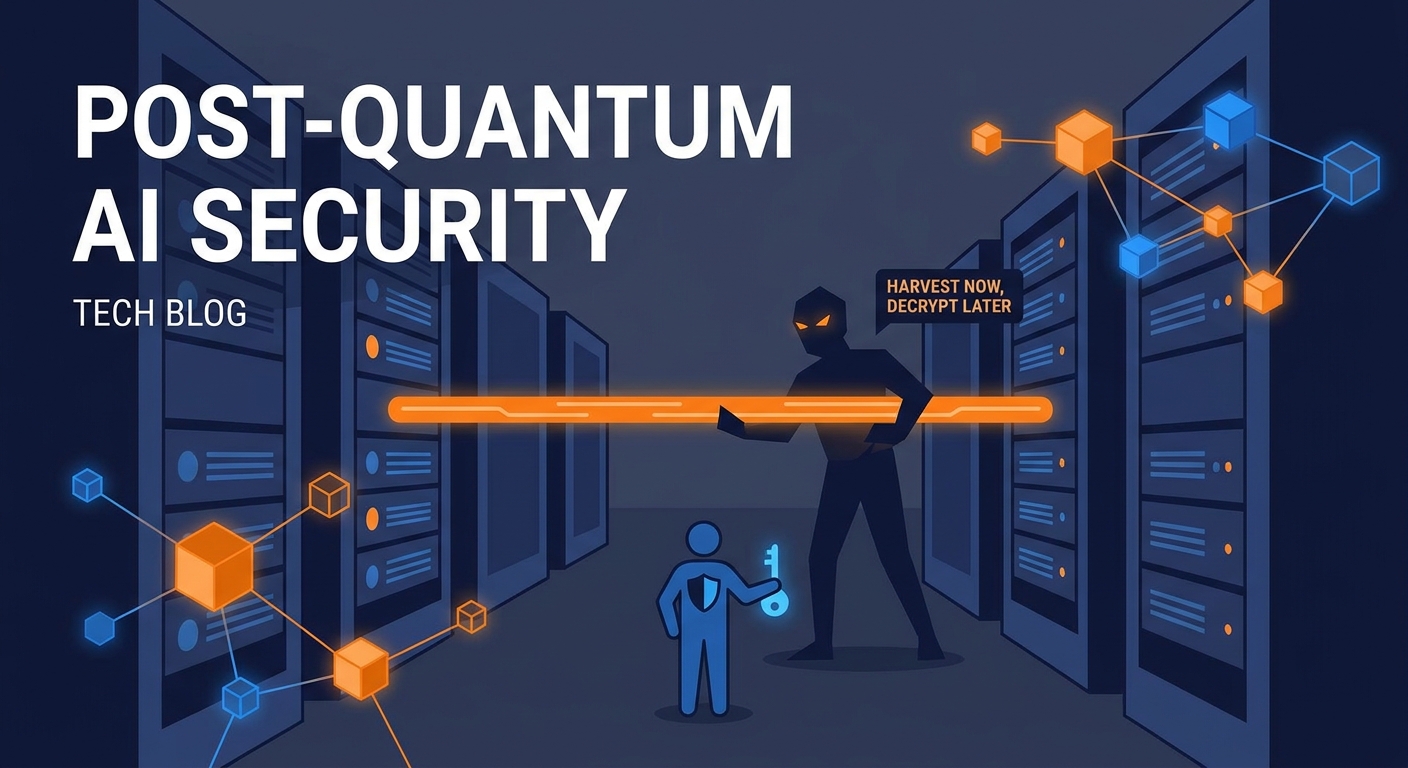
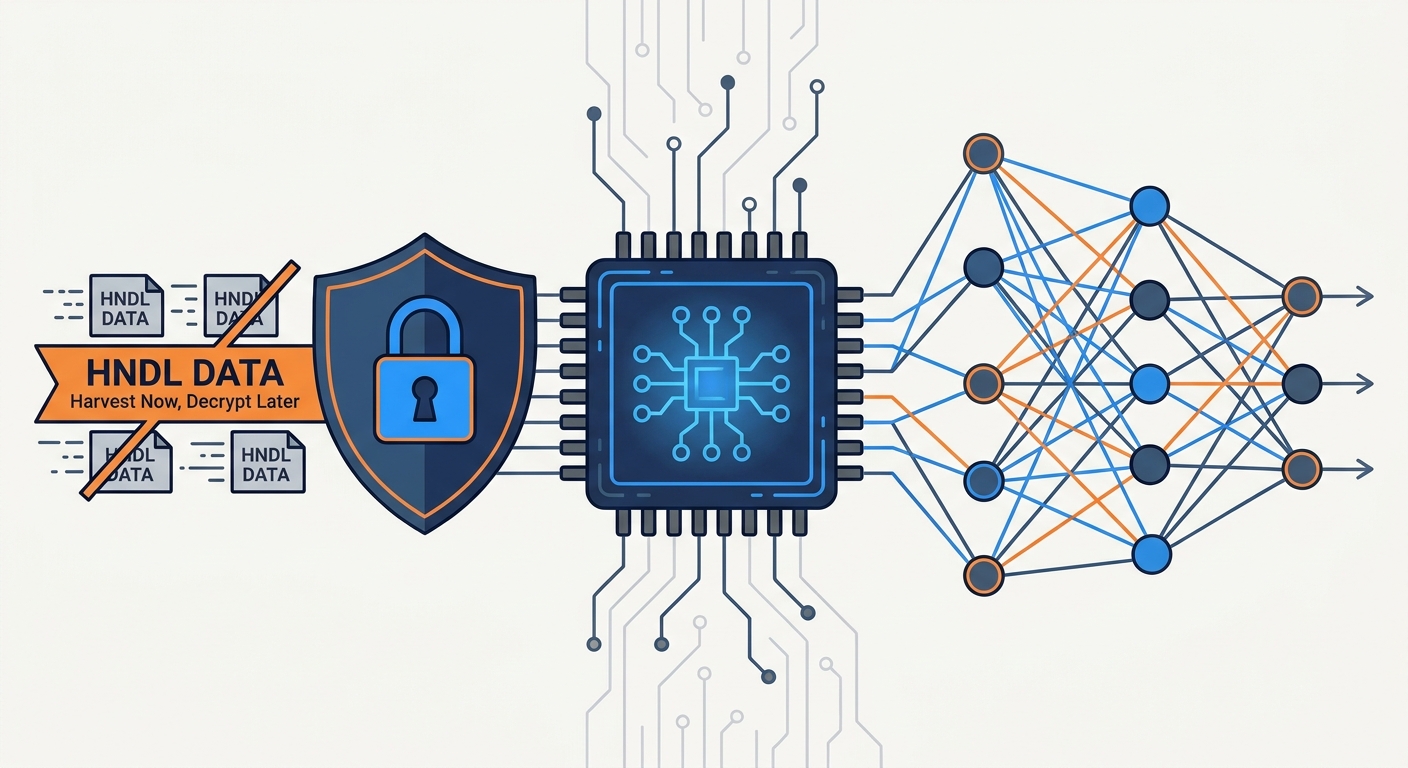
The 2026 "quantum-readiness" deadline isn't some polite suggestion from a standards board; it’s the expiration date for your most sensitive data. If you’re handling proprietary AI training sets or high-value context, you’re already in the crosshairs. We are living through the "Harvest Now, Decrypt Later" (HNDL) era. Adversaries are vacuuming up your encrypted traffic today, hoarding it in massive data lakes, just waiting for the day fault-tolerant quantum computers make your current RSA and ECC standards look like a screen door on a submarine.
If your AI systems rely on the Model Context Protocol (MCP) or similar architectures, you’re essentially building a high-tech vault with a glass door. It’s time to stop treating security as a static checkbox. You need to transition to NIST-compliant Post-Quantum Cryptography (PQC) immediately. It’s the only way to turn your security posture from a massive liability into a resilient, agile framework.
1. Conduct a Quantum-Ready Cryptographic Inventory
You can’t defend what you can’t see. Most AI infrastructures are a messy, tangled web of legacy cryptographic dependencies: hard-coded certificates in API gateways, TLS handshakes buried in forgotten libraries, and undocumented data streams between agents. It’s a security nightmare waiting to happen.
Your first step is total visibility. You need a granular audit of every single transport layer in your AI stack. Don't just list servers—map the data. Where are your RAG (Retrieval-Augmented Generation) contexts going? Where do your training weights live? Who has access to your agent credentials?
According to the Cloud Security Alliance: Quantum Risk Reports, the #1 failure point in enterprise quantum readiness is a total lack of a cryptographic bill of materials. You need to know exactly which streams are vulnerable. If a piece of data needs to stay secret for five years or more, it is a high-risk candidate for immediate PQC migration. For a deeper look at how to structure this audit within a modern agentic architecture, review The 2026 Guide to Post-Quantum AI Infrastructure Security.
2. Implement Hybridization: The "Belt and Suspenders" Strategy
Moving to new post-quantum algorithms doesn't mean you have to toss your proven classical security out the window. That’s a recipe for disaster. Instead, go hybrid.
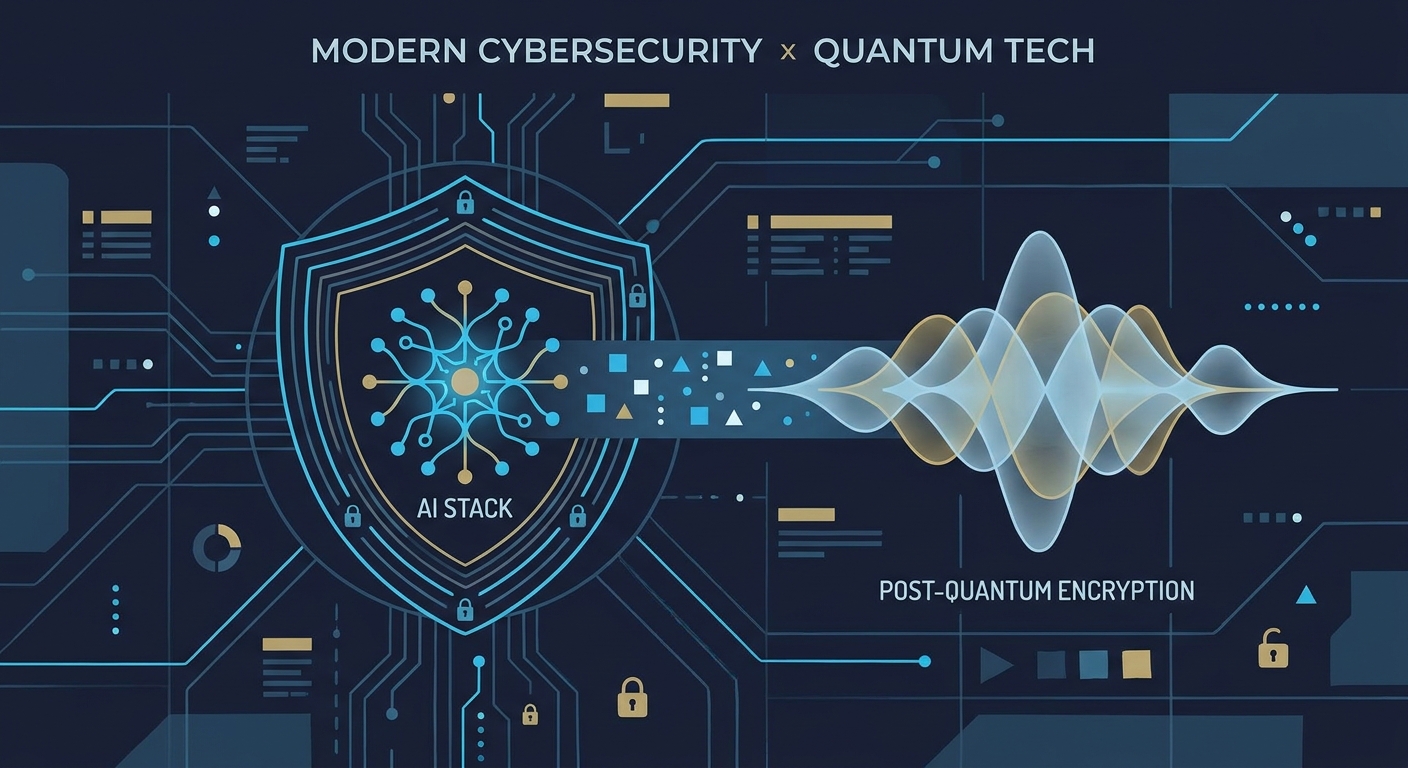
We recommend encapsulating your data using both classical algorithms (like ECC) and FIPS-approved PQC standards (like ML-KEM). If a genius mathematician finds a hole in a new PQC algorithm tomorrow, your security is still anchored by the classical standard that has survived decades of real-world scrutiny.
This "belt and suspenders" philosophy creates a dual-layered tunnel. You’re protecting your communications against both the threats of today and the machines of the future. By forcing an attacker to break two entirely different mathematical problems at once, you make the cost of interception prohibitively high.
3. Prioritize Crypto-Agility in Your AI Pipelines
The "set it and forget it" era of cryptography is dead. Quantum-resistant standards are moving fast. The algorithms we trust in 2026 might need an update by 2028. If you can’t swap out your cryptographic primitives via a simple config file or environment variable, you’re doing it wrong.
If your encryption logic is hard-coded into your application binaries, you’re building massive technical debt. Imagine having to push emergency updates across your entire fleet of agents just because a standard changed. It’s slow, it’s prone to human error, and it’s going to break your production workflows.
Decouple your security logic from your application logic. Treat your cryptographic configuration as infrastructure-as-code (IaC). If you can’t update your security protocol with a quick deployment push, you aren't agile—you’re just waiting to be compromised. Keep an eye on the NIST PQC Standards Roadmap as it evolves.
4. Secure the MCP Transport Layer
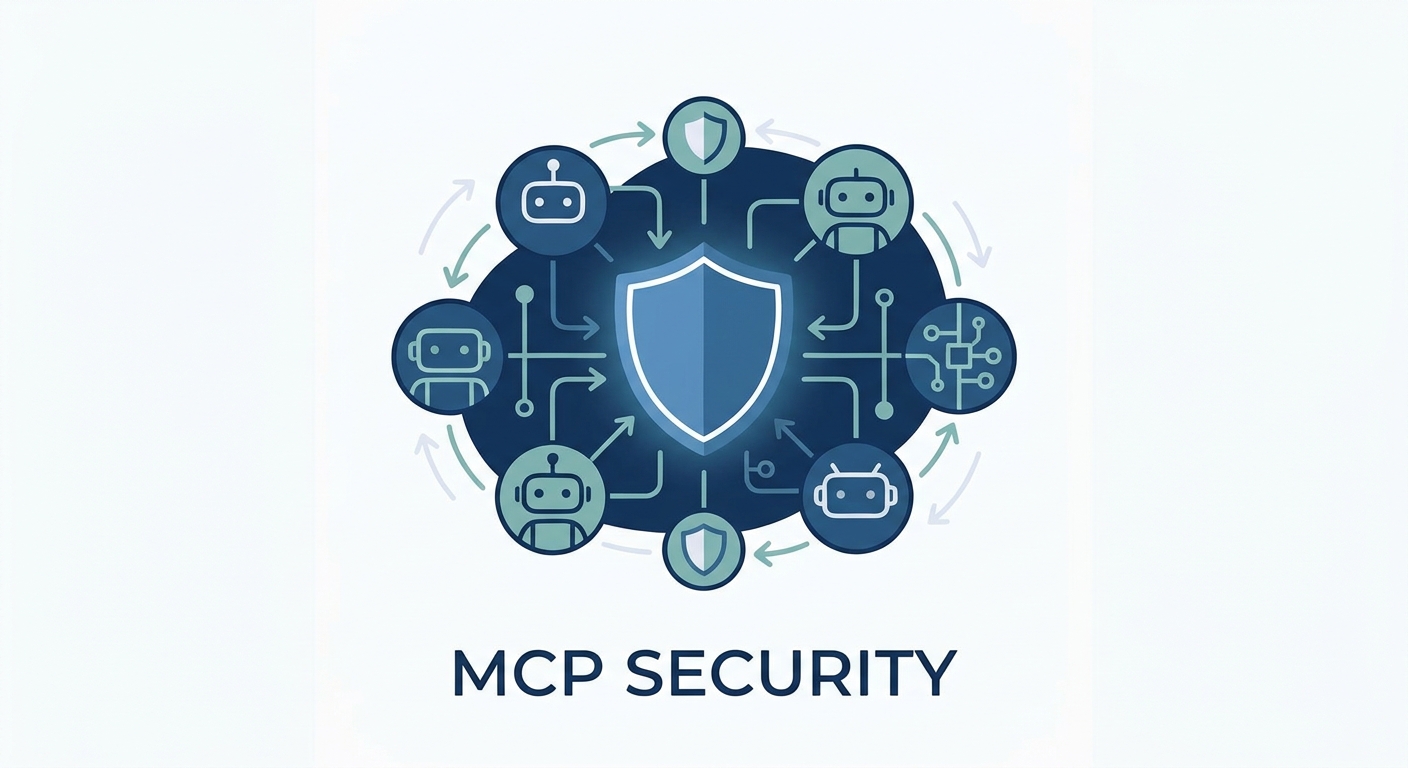
The Model Context Protocol (MCP) is the glue holding modern agentic ecosystems together. But here’s the catch: it’s often deployed with the naive assumption that the network is "safe." In a post-quantum landscape, that’s a dangerous oversight. MCP is a protocol, not a security layer. It manages context flow, but it doesn't protect that data from a sophisticated interceptor.
"Tool poisoning"—where an attacker injects malicious instructions into an agent’s context—is a massive threat. You need specialized wrappers, like mcp-context-protector, to validate the origin and integrity of every request before it touches your model. Moving beyond simple API keys is non-negotiable. For a practical walkthrough on fortifying these connections, refer to How to Secure Model Context Protocol Deployments. Need more technical depth? Check out the Trail of Bits: MCP Security Hub.
5. Build Continuous Governance and Monitoring
Security isn't a passive state; it’s an active process. Once your PQC protocols are live, you need a governance engine that treats every agent request as a potential anomaly. Move away from static perimeter defenses and toward behavioral auditing.
Your system should log more than just "success" or "failure" on a handshake. It needs to watch what your agents are doing. If an agent suddenly tries to access a quantum-protected context header it has never touched before, the system should trigger an immediate block.
This continuous audit trail is your best friend during compliance reviews and forensic investigations. By baking PQC validation directly into your observability stack, you’ll detect and kill threats in real-time, long before they turn into a full-scale breach.
Implementation Roadmap: From Theory to Execution
Don't try to boil the ocean. Start with your highest-traffic AI nodes—the ones handling your crown jewels. Run an automated inventory to clear out that legacy cryptographic debt. Next, launch a pilot program using a hybrid (ECC + ML-KEM) approach on a single, non-critical agent service.
Validate the performance, check the handshake stability, and then scale. The goal for 2026 isn't perfection; it’s achieving a "quantum-resilient baseline" across your entire stack.
Frequently Asked Questions
Do I need to switch to PQC today if I don't have a quantum computer?
Yes. Because of 'Harvest Now, Decrypt Later' attacks, data intercepted today can be stored and decrypted once quantum capabilities mature.
How does PQC affect the latency of my AI agents?
While some PQC algorithms have larger key sizes or higher computational costs, hybrid approaches allow you to maintain performance while securing the handshake.
Is the Model Context Protocol inherently insecure?
MCP is a protocol, not a security layer. It requires external wrappers and policy enforcement to manage identity and data access, especially in quantum-threat environments.
What does "crypto-agility" mean for my AI team?
It means building infrastructure that allows you to swap out cryptographic algorithms via configuration changes rather than hard-coding them into your AI agents.
Why are NIST FIPS 203, 204, and 205 the gold standard?
These standards (ML-KEM, ML-DSA, SLH-DSA) have undergone rigorous peer review and are now the federal baseline for quantum-resistant communications.