How to Secure Model Context Protocol Deployments Against Quantum Threats

If you’re treating your Model Context Protocol (MCP) deployments like standard API traffic, you’re basically leaving the front door to your AI infrastructure wide open. You might think you’re secure, but you’re just waiting for a disaster.
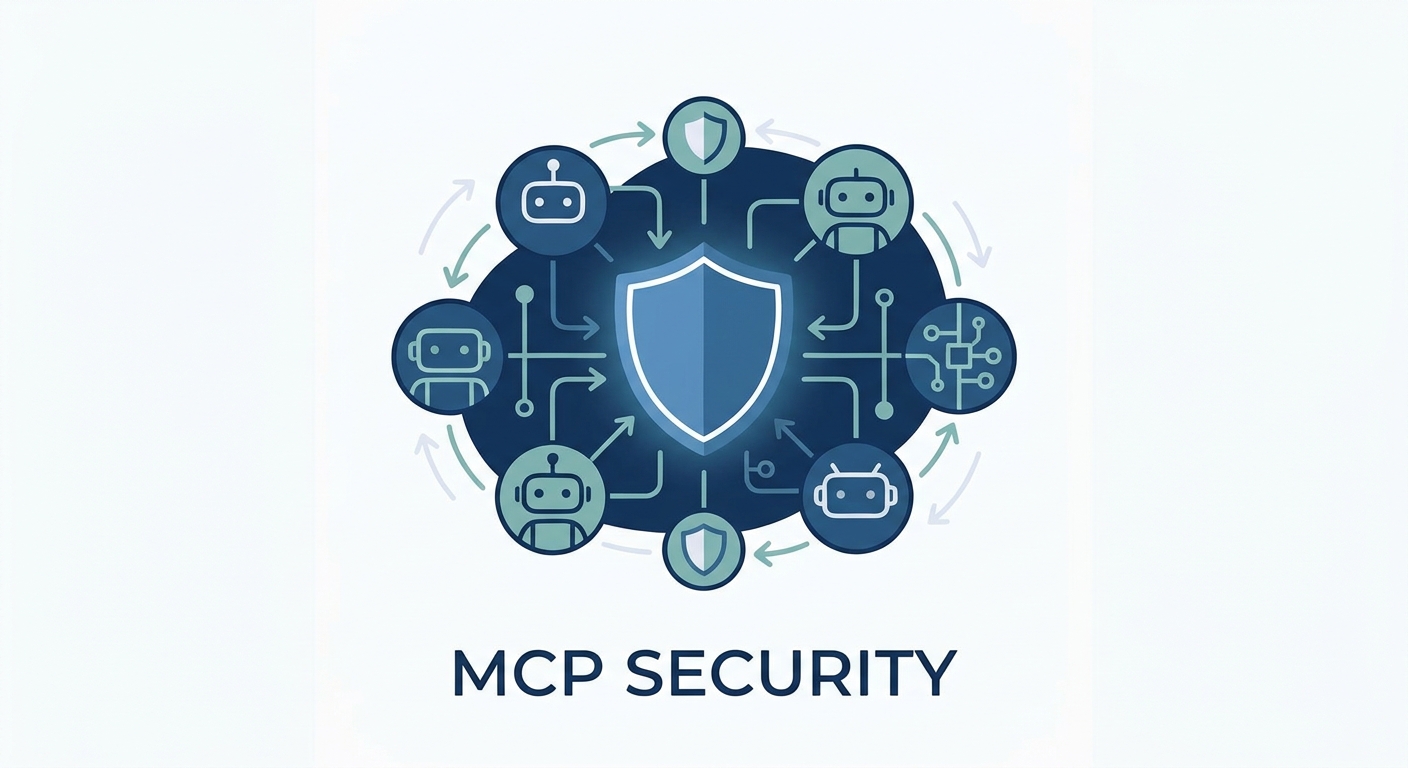
The Model Context Protocol, as detailed in the official Anthropic MCP Documentation, is the glue holding modern agentic workflows together. It lets AI models reach into your internal tools and databases to grab whatever data they need. It’s convenient. It’s fast. And, unfortunately, it creates a massive, unmonitored "Shadow AI" surface.
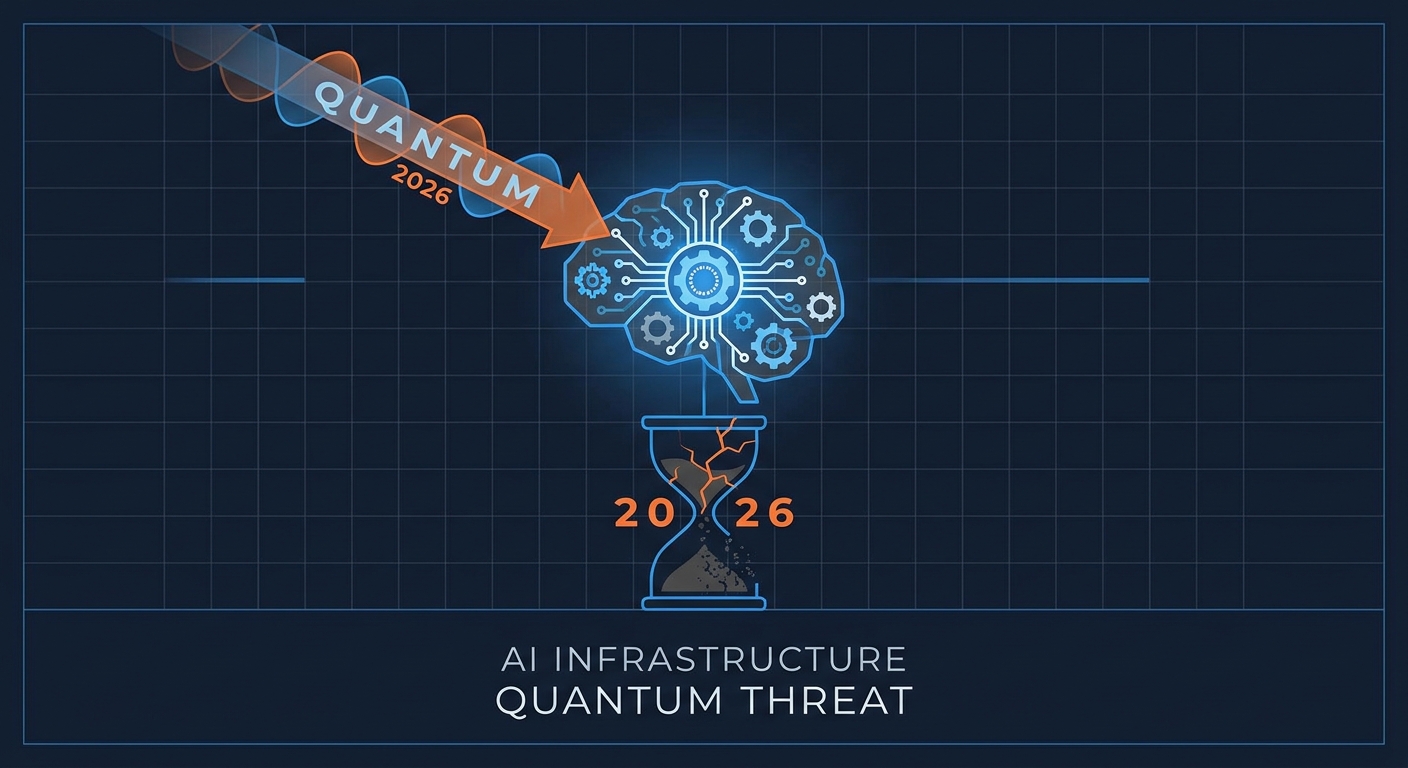
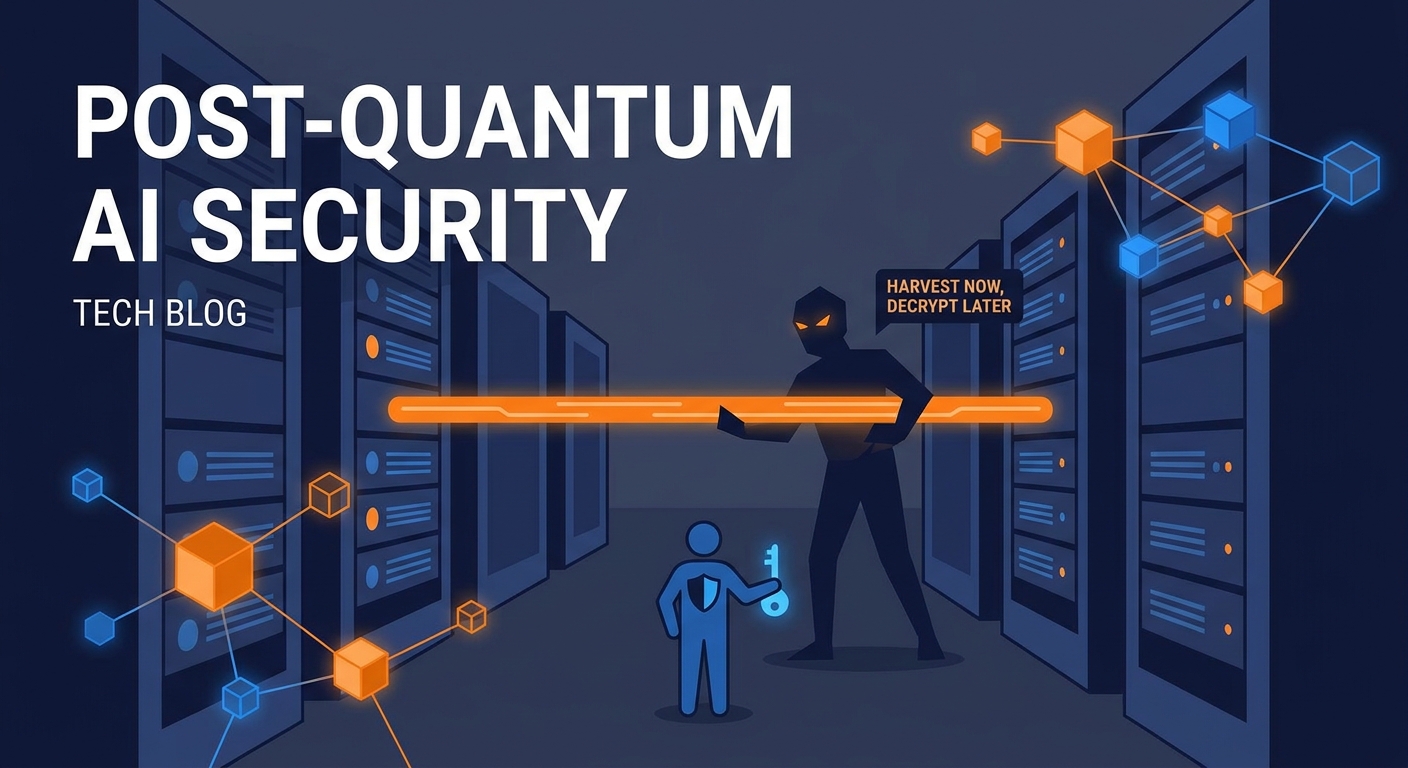
Here’s the reality check: Quantum-capable adversaries are already playing the long game. They’re running "Harvest Now, Decrypt Later" operations. They intercept and store your encrypted traffic today, just waiting for the day fault-tolerant quantum computers hit the mainstream so they can crack it open like a walnut. If your MCP traffic isn't ready for the quantum age, your data is already compromised. We need to talk about moving to post-quantum cryptographic standards—and we need to do it yesterday.
Why Traditional API Security Fails in an Agentic World
The biggest mistake architects make is assuming MCP behaves like a standard request-response cycle. In a legacy REST architecture, the path is simple: Client talks to gateway, gateway validates, data returns. It’s a straight line. It’s predictable.
MCP is the exact opposite. It’s a chaotic, multi-hop web where an agent talks to a server, which talks to another server, which pulls from a database, all to build a dynamic context window.
Your average Web Application Firewall (WAF) or API Gateway is completely blind to this. They’re designed to spot bad patterns in static payloads, but they have no clue how to assess the intent of a multi-hop context aggregation. If an attacker manages to compromise one upstream MCP server, they aren't just stealing a file. They’re injecting malicious instructions that ripple through your entire agentic mesh. Since standard gateways don't understand the state of these conversations, they’ll happily pass poisoned data straight into the LLM’s system prompt. You’re essentially giving the attacker a direct line to your AI’s brain.
What is the "Quantum Imperative" for AI Architects?
The "Quantum Imperative" isn't just industry buzz; it’s a survival mandate. We’ve been relying on classical asymmetric encryption like RSA and Elliptic Curve Cryptography (ECC) for decades. These rely on math problems—factoring large numbers, solving discrete logarithms—that are hard for a normal computer but trivial for a quantum computer running Shor’s algorithm.
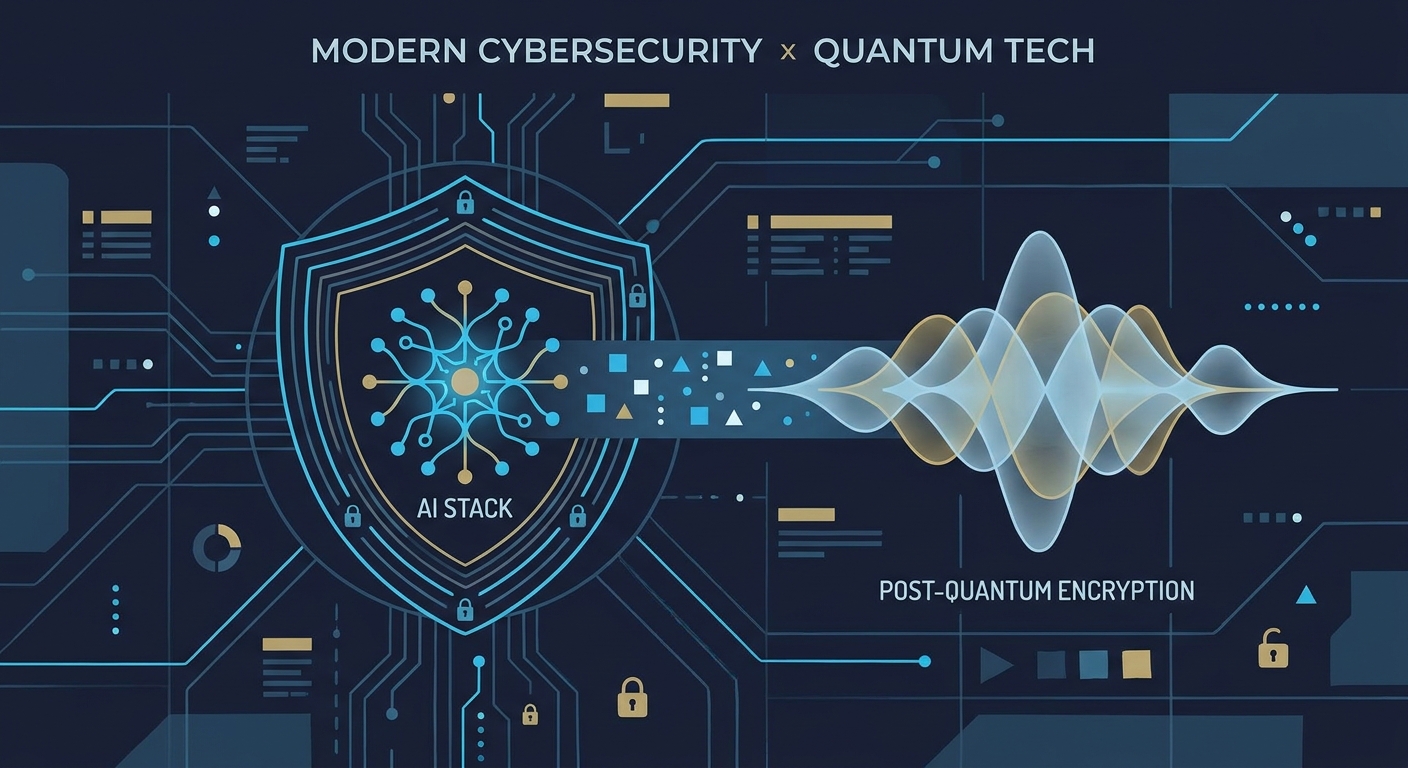
For you, that means the TLS handshakes securing your MCP traffic are effectively transparent to any nation-state actor with a quantum rig. To fix this, you have to align with the NIST Post-Quantum Cryptography Standards. We’re talking about lattice-based schemes like CRYSTALS-Kyber. These are designed to laugh in the face of both classical and quantum cryptanalysis. If your MCP infrastructure isn't using these quantum-resistant transport layers, treat your historical data as public domain. It’s only a matter of time.
How Can You Defend Against Context Poisoning and Supply Chain Attacks?
Context poisoning is the silent killer here. If an attacker slips a malicious fork into your infrastructure or compromises an MCP server, they can manipulate the data feeding your agent. This isn't just a simple data leak. It’s an unauthorized instruction set. They can force your agent to exfiltrate files, bypass guardrails, or do things you never intended.
The fix? You need "Policy-as-Code." You have to validate the identity and integrity of every single MCP server before it’s allowed to touch your agent’s context. Never trust a server just because it’s on your internal network. As outlined in The 2026 Roadmap to Post-Quantum AI Infrastructure Security, you must treat every MCP server as a potential supply chain vector. That means cryptographically signing every response and setting up granular access controls that define exactly which servers can talk to which agents.
A Step-by-Step Migration to Post-Quantum MCP
Migration isn't a "flip-the-switch" job. It’s a methodical process that keeps your agents working while you harden the pipes beneath them.
Phase 1: Auditing the "Shadow AI" Footprint
You can't secure what you can't see. Use discovery tools to map every active MCP server, especially the ones your developers spun up without asking IT. If it’s running, it’s a potential entry point for a quantum-ready adversary.
Phase 2: Upgrading Transport Layers to Support CRYSTALS-Kyber
Once you have your list, start upgrading your service mesh or API gateway. You need to support hybrid key exchange mechanisms. This lets you keep your legacy clients happy while wrapping the new traffic in a quantum-secure envelope.
Phase 3: Enforcing mTLS with Quantum-Resistant Certificates
Mutual TLS (mTLS) is the gold standard for service-to-service authentication. By issuing certificates that use post-quantum signing algorithms, you make it impossible for an attacker to spoof a network identity. Even if they get into your network, they won’t be able to authenticate with your infrastructure.
Real-World Scenario: Thwarting a Quantum-Ready Attack
Let’s look at a hypothetical. An attacker tries to intercept an MCP session between a financial data agent and a customer account server, hoping to snag some session tokens.
In a standard setup, they’d be mirroring that traffic, waiting for the day they can decrypt it. But in a PQC-hardened environment, the agent and the MCP server perform an mTLS handshake using CRYSTALS-Kyber-based certificates. The attacker’s interception tool hits a wall; it can’t break the lattice-based key exchange. Meanwhile, your policy engine notices an unauthorized attempt to hit the server and triggers an alert. The connection is cut. The data is safe. It’s a clean win. For more on how these layers stack up, check the OWASP AI Exchange.
How to Future-Proof Your AI Infrastructure
If you’re only playing defense, you’ve already lost. You need to adopt a Zero-Trust AI Architecture. Assume nothing is safe, even inside your own perimeter. This requires AI-native observability—watching what your agents do, not just the traffic flowing over the wires.
If an agent suddenly wants to hit a database it’s never touched before, or an MCP server starts injecting weird context, your system should flag it instantly. For a deeper dive into the governance piece, check out The CISO’s Guide to Post-Quantum AI Infrastructure Security. Future-proofing isn't about being perfect today; it's about building an architecture that stays flexible enough to handle whatever the next decade throws at us.
Frequently Asked Questions
Why can’t I just use standard TLS to secure my MCP servers?
Standard TLS relies on RSA or ECC. These are easy targets for future quantum computers. Relying on them now ignores the "Harvest Now, Decrypt Later" threat, where adversaries are collecting your data today to unlock it tomorrow.
What is "Context Poisoning," and how does it relate to quantum threats?
Context poisoning is the art of feeding an AI bad data to change its behavior. Quantum threats make this worse because they allow attackers to intercept and modify traffic in transit—a perfect setup for injecting malicious instructions that bypass standard security.
Is my organization’s AI infrastructure vulnerable to quantum decryption today?
Yes. If you’re using classical encryption, your traffic is potentially being intercepted and stored by hostile actors. Because that data might stay sensitive for years, the threat is very much a "right now" problem.
How do I implement post-quantum security without breaking existing AI agent workflows?
Use a hybrid cryptographic approach. You can run PQC algorithms alongside existing classical ones. This keeps your legacy tools working while giving you the quantum-safe layer you need for sensitive traffic.