Implementing Post-Quantum AI Infrastructure Security: A Step-by-Step Guide for 2026

TL;DR
- ✓ Detect and mitigate Harvest Now Decrypt Later risks to your proprietary AI model data.
- ✓ Implement NIST-approved post-quantum algorithms like ML-KEM to secure your network infrastructure.
- ✓ Identify and close security gaps within dynamic Model Context Protocol agentic workflows today.
- ✓ Transition to cryptographic agility to ensure compliance with emerging 2026 enterprise security standards.
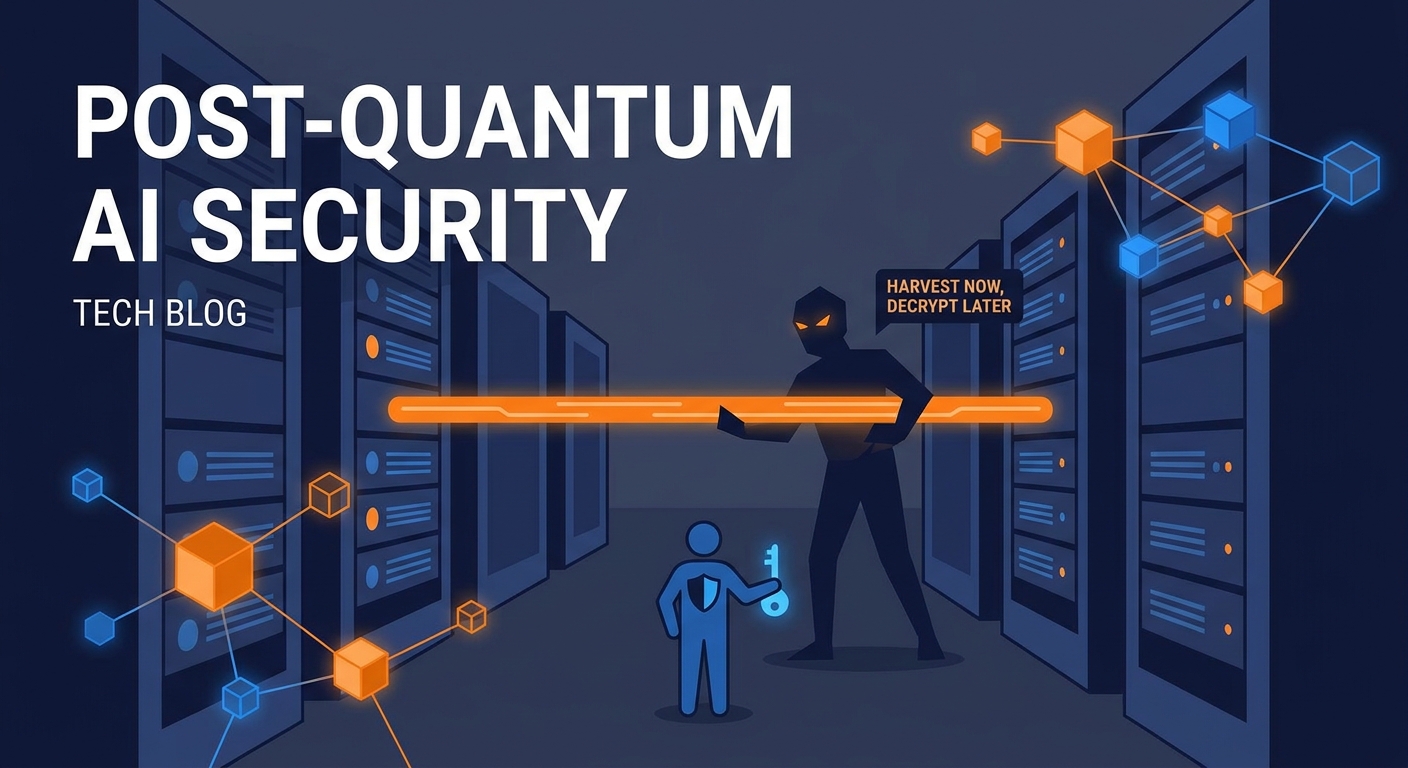
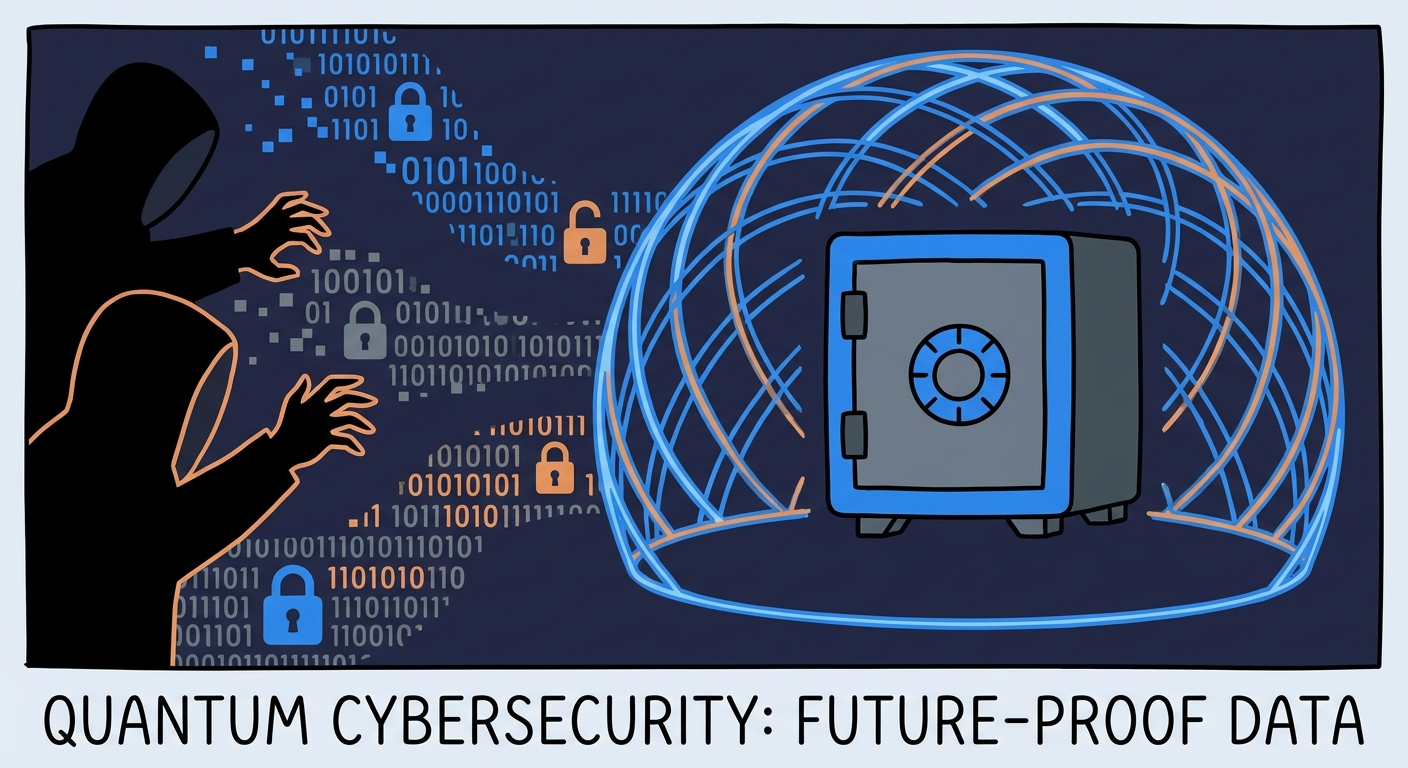
In 2026, the biggest threat to your AI isn’t a sci-fi nightmare; it’s a quiet, systematic heist. Cyber-syndicates and state actors are currently running "Harvest Now, Decrypt Later" (HNDL) ops. They’re vacuuming up your training data, your model weights, and your proprietary schemas. They aren't trying to crack your encryption today—they’re just hoarding your encrypted traffic, waiting for the day that cryptographically relevant quantum computers (CRQCs) actually exist.
If you’re still relying on standard RSA or ECC to guard your AI pipelines, your trade secrets might as well be on a public billboard. Securing your infrastructure now means embracing "Cryptographic Agility." You have to build your AI agents to be tough enough to survive the quantum horizon.
The Quantum-AI Convergence
Quantum computing and AI are colliding, and for security architects, it’s a perfect storm. Your AI models are the crown jewels of your business, yet the pipes they move through are stuck in the pre-quantum Stone Age. The Top 7 Quantum Computing Threats to AI Infrastructure in 2026 explain exactly how Shor’s algorithm is going to shred the public-key infrastructure (PKI) that currently keeps the internet from falling apart.
For a CTO, this isn't some abstract risk management exercise. It’s a procurement mandate. As federal and enterprise standards harden, being able to prove your communication paths are quantum-safe isn't just a "nice-to-have" feature—it’s the new ticket to play in any regulated industry.
Understanding the NIST PQC Standards
The shift to quantum-resistant security centers on the NIST Post-Quantum Cryptography Standardization. By 2026, the industry has largely settled on three heavy hitters: ML-KEM (the new name for Kyber) for key encapsulation, plus ML-DSA and SLH-DSA for digital signatures.
These standards stop relying on the shaky math of integer factorization. Instead, they use lattice-based cryptography. Right now, quantum computers simply can’t solve these puzzles. If you’re running infrastructure, the directive is simple: bake these primitives into your TLS stacks and VPN tunnels yesterday. Optional security is a relic of the past. If your stack doesn't support these algorithms in 2026, it’s effectively broken for any high-sensitivity AI work.
The MCP Security Gap: Protecting Your Agentic Workflows
While infra teams are busy locking down the network, a massive hole has opened up at the application layer: the Model Context Protocol (MCP). As explained in the Model Context Protocol Specification, this is the language AI agents use to talk to external tools and data.
But here’s the catch: MCP is dynamic and stateful, which makes it a playground for attackers. Unlike a static REST API, MCP lets agents request schemas, run code, and poke around file systems. If an attacker jumps into an MCP handshake or poisons the schema exchange, they can trick your agent into running malicious code or leaking data. Your perimeter firewall won't even see it. You need to embed identity verification and quantum-resistant encryption right into the protocol handshake. The "agent-to-tool" conversation has to be private, period.
Visualizing the Attack Surface: Classical vs. PQC
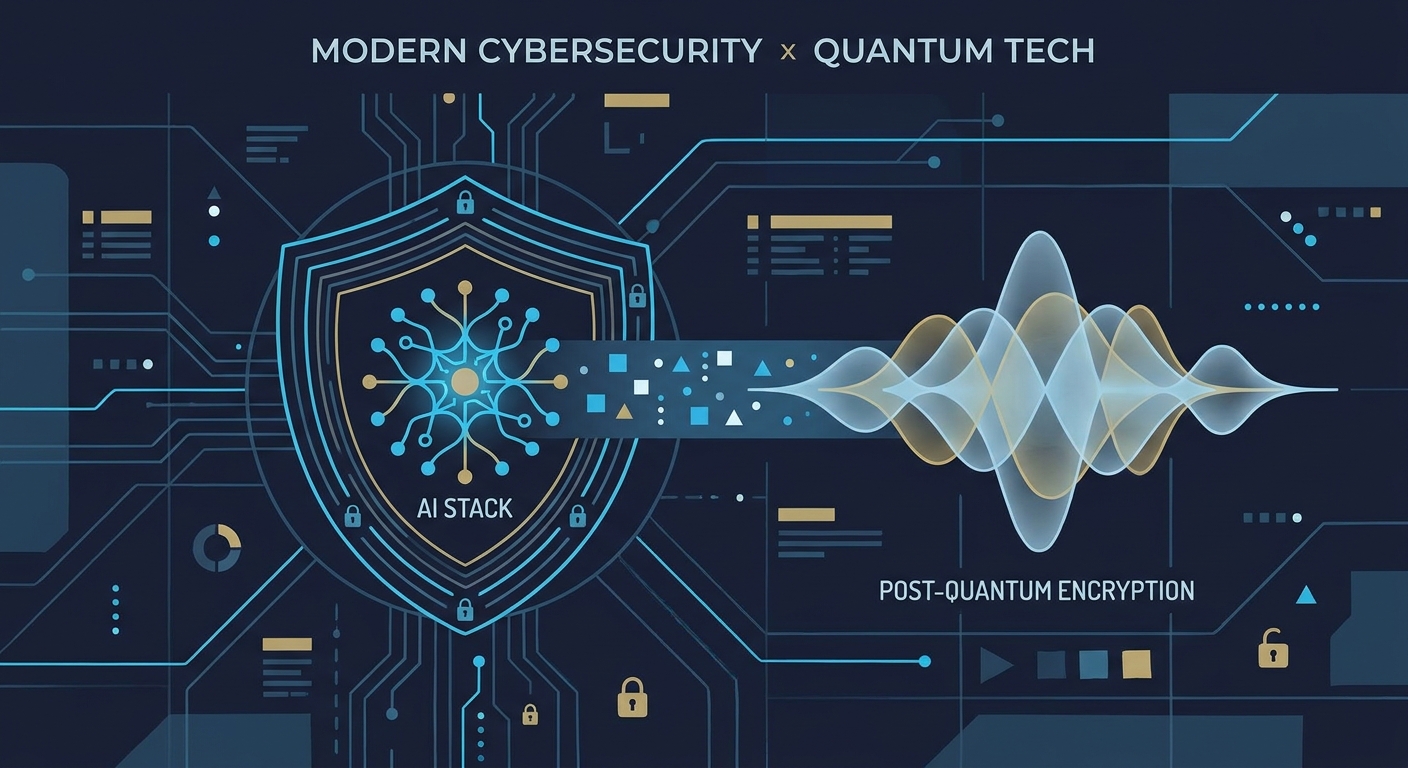
The diagram below shows exactly why we need to move past standard TLS handshakes.
Step-by-Step Roadmap: Implementing PQC in 2026
Migrating to post-quantum security isn't about ripping out your entire network. It’s about building in agility so you can move fast when you have to.
How Do You Conduct a Cryptographic Agility Audit?
Start with visibility. Where is your data going? Map your traffic from the training clusters all the way to the inference endpoints. Then ask your team the hard question: "If we had to swap our encryption protocol tomorrow, could we do it without burning the house down?" If the answer is no, you aren't agile. You need to decouple your crypto libraries from your application code so you can update them on the fly as standards evolve.
What Does a Hybrid Deployment Look Like?
For most, a hybrid approach is the gold standard. You stack your classical encryption (RSA/ECC) with NIST-approved PQC algorithms. It’s a "belt and suspenders" strategy. You get backward compatibility for older clients, but you also get a quantum-safe layer that keeps the bad guys guessing. For the deep technical details, check out the Quantum-Safe Security Overview for the best ways to manage these dual-key structures.
The 30-60-90 Day Migration Plan
- 30 Days (Discovery): Audit every single endpoint touching your AI weights or training sets. Categorize data by sensitivity and flag every connection still using legacy TLS.
- 60 Days (Pilot): Get PQC-ready libraries running in staging. Focus on those high-risk MCP endpoints first. Watch the performance hit—PQC keys are chunkier than what you're used to.
- 90 Days (Enforcement): Flip the switch to full hybrid security for production MCP endpoints. Set up automated monitoring to catch any non-compliant traffic before it becomes a liability.
Ensuring Policy Enforcement in Agentic Ecosystems
Perimeter security is dead in the age of agents. You need a Zero Trust model for everything an agent does. Every single request an agent makes across the Model Context Protocol must be authenticated, authorized, and encrypted with quantum-safe standards. When you're dealing with these complex ecosystems, many teams turn to Gopher Security's AI Protection Services to enforce real-time policies that stop unauthorized tool access before it happens. Make sure your internal policies match the CISA Post-Quantum Guidance; it’s the best way to stay compliant and keep the feds happy.
Future-Proofing: From Security to Resilience
The biggest change in 2026 isn't technical—it's cultural. Stop treating security like a checkbox you tick once and forget. Security is a living, breathing part of your infrastructure. Resilience in the quantum age means building systems that can pivot, adapt, and upgrade their foundations without grinding your business to a halt. The winners in the next decade will be the ones who treat cryptographic agility as a core competitive edge, not just another line item in the IT budget.
Frequently Asked Questions
Why do I need to worry about Quantum threats when they don't fully exist yet?
The threat is not just the quantum computer of 2030; it is the data being stolen today. Attackers are currently executing "Harvest Now, Decrypt Later" (HNDL) attacks, exfiltrating high-value AI IP and model weights to store them until they have the hardware to decrypt them. If your data has a shelf life of more than a few years, it is already at risk.
Is PQC just a software update, or does it require hardware replacement?
For the majority of 2026 implementations, PQC is handled at the library level as a software update. Most modern enterprise infrastructure supports the increased computational load of PQC algorithms. While hardware acceleration for PQC is becoming available for high-throughput environments, you do not need to replace your entire server fleet to begin your transition.
How does the Model Context Protocol change my security posture compared to standard REST APIs?
The Model Context Protocol is inherently more dynamic and stateful than traditional REST. Because agents can dynamically request schemas and interact with tools, the attack surface for schema poisoning and privilege escalation is significantly larger. You must secure the handshake and the ongoing session, not just the initial API connection.
Can I use PQC without breaking my existing AI integrations?
Yes. The "Hybrid" approach allows you to run classical and quantum-safe algorithms in parallel. This ensures that your existing integrations remain functional while providing a robust, quantum-resistant layer of security that will protect your data against future threats.
What are the federal requirements for PQC in 2026?
Federal agencies and their contractors are increasingly mandated by CISA and NIST guidance to transition to PQC-ready infrastructure. This is becoming a standard procurement requirement for any organization handling government-adjacent AI data, emphasizing the need for immediate, documented migration plans.