Is Your AI Infrastructure Quantum-Ready? Evaluating Threat Detection and Access Control

TL;DR
- ✓ Learn why 2026 is the critical deadline for quantum-ready AI infrastructure survival.
- ✓ Understand the Harvest Now Decrypt Later threat to your proprietary model weights.
- ✓ Identify security gaps in Model Context Protocol deployments and data flow.
- ✓ Implement advanced threat detection to prevent quantum-enabled model context poisoning.
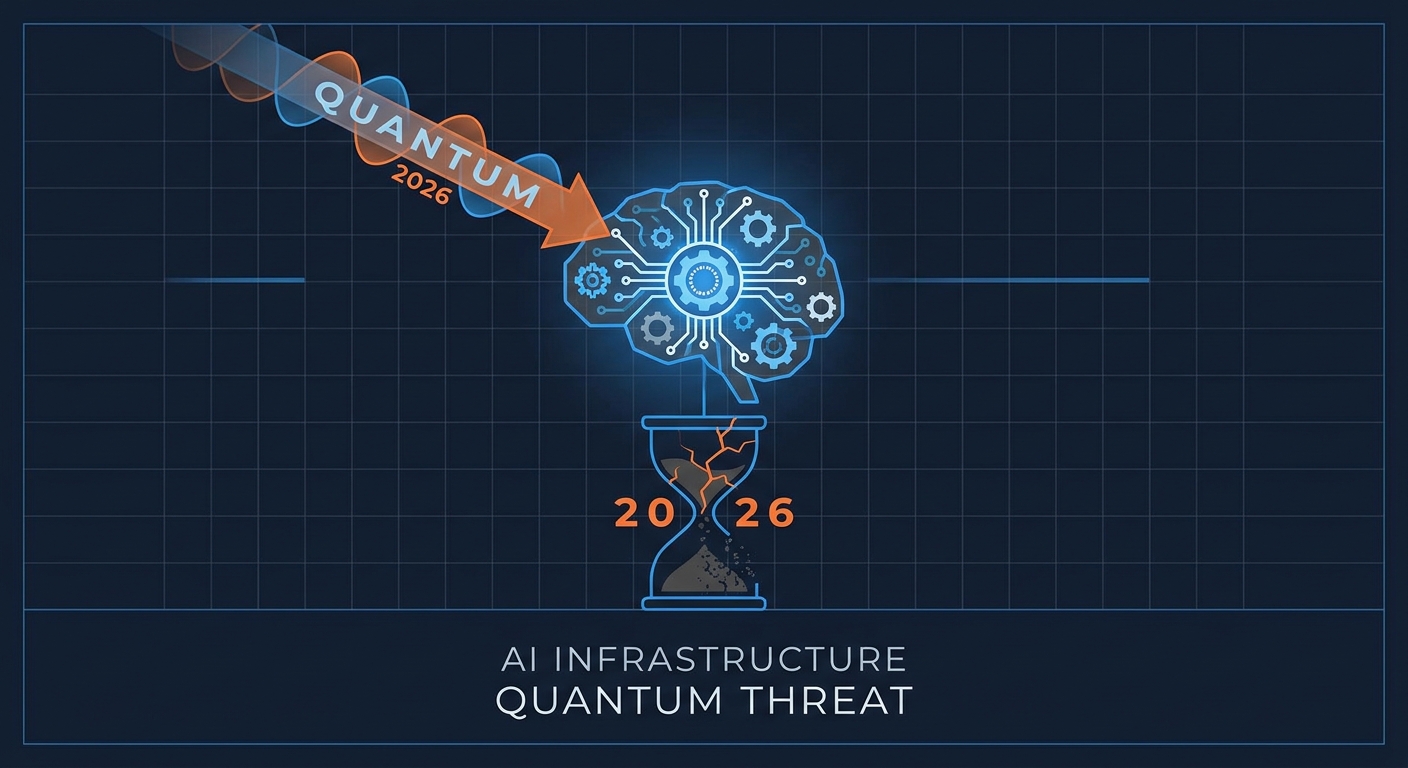
The 2026 deadline for quantum readiness isn't some abstract academic debate. It’s the drop-dead date for your enterprise AI’s survival. If you’re still betting on your current cryptographic stack to keep the bad guys out, you’re already losing.
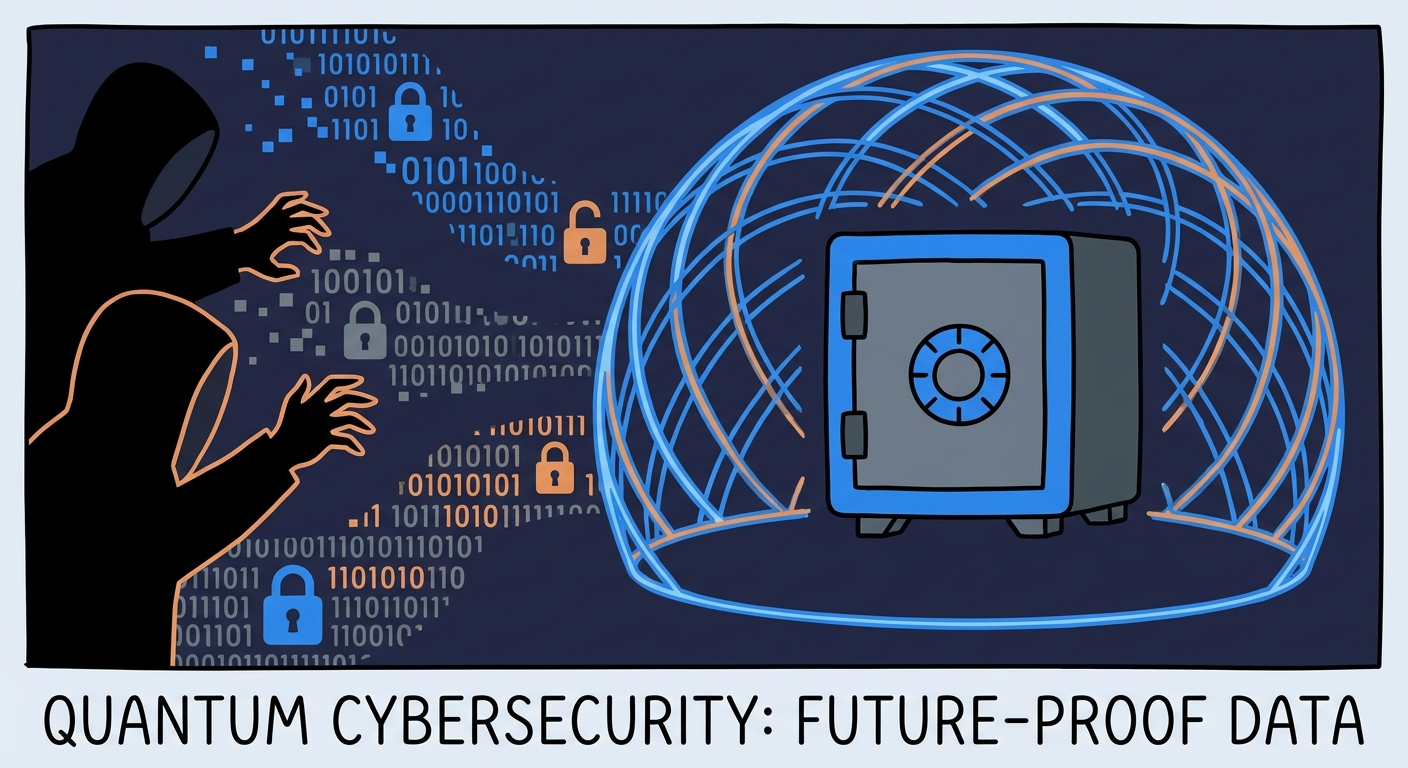
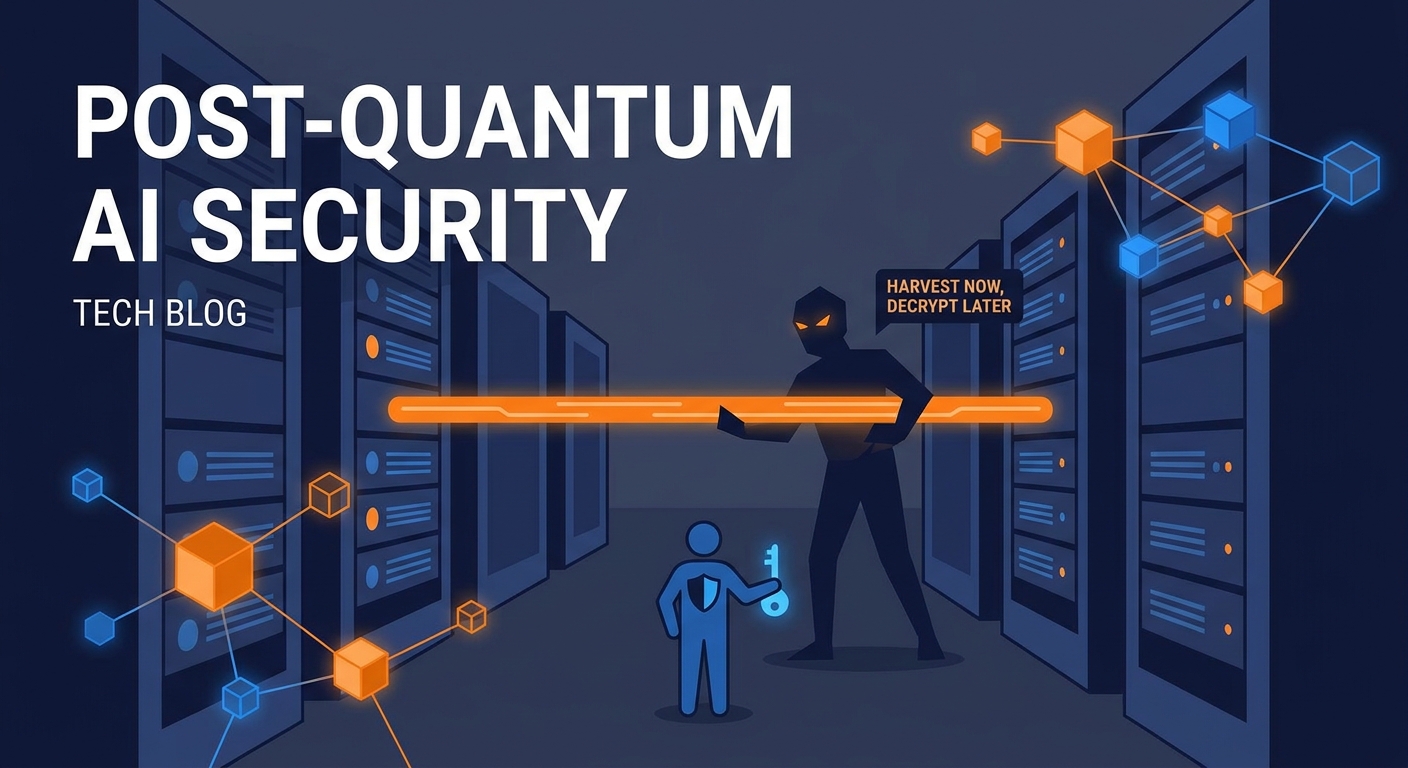
We’re talking about the "Harvest Now, Decrypt Later" (HNDL) paradigm. It’s simple, brutal, and effective: adversaries are hoovering up your most sensitive training datasets and model weights right now. They aren’t trying to break them today. They’re storing them, waiting for the day cryptographically relevant quantum computers (CRQCs) go live. By dragging your feet, you’re effectively handing your future intellectual property to state-sponsored hackers and cyber-syndicates on a silver platter. As we detailed in our analysis of critical infrastructure vulnerabilities in AI, the shift from "theoretical risk" to "existential threat" is happening in real time. The window to fix this architectural debt is slamming shut.
Is Your AI Infrastructure Uniquely Vulnerable to Quantum Attacks?
AI isn't just another server rack in the basement. It’s a high-velocity, high-stakes ecosystem built on the constant flow of proprietary data and model context. Our modern world runs on TLS and SSL protocols—the digital equivalent of a locked door. The problem? Those locks rely on math problems that quantum computers will eventually solve with terrifying ease.
When you apply this to AI-to-AI communication, the stakes go through the roof.
In a typical enterprise stack, your training logs, fine-tuning data, and real-time model weights are the crown jewels. When these files zip across internal networks or hop between cloud providers, they’re wrapped in encryption like RSA or ECC. A quantum-ready adversary doesn’t need to hack your data center today. They just need to tap the line, store the encrypted blobs, and wait for the hardware to catch up. Once they have a functional quantum machine, your entire data lineage—every secret, every refinement of your proprietary model—becomes an open book. This isn't a "future threat." It’s a data leak happening in plain sight.
The Model Context Protocol (MCP) Security Gap
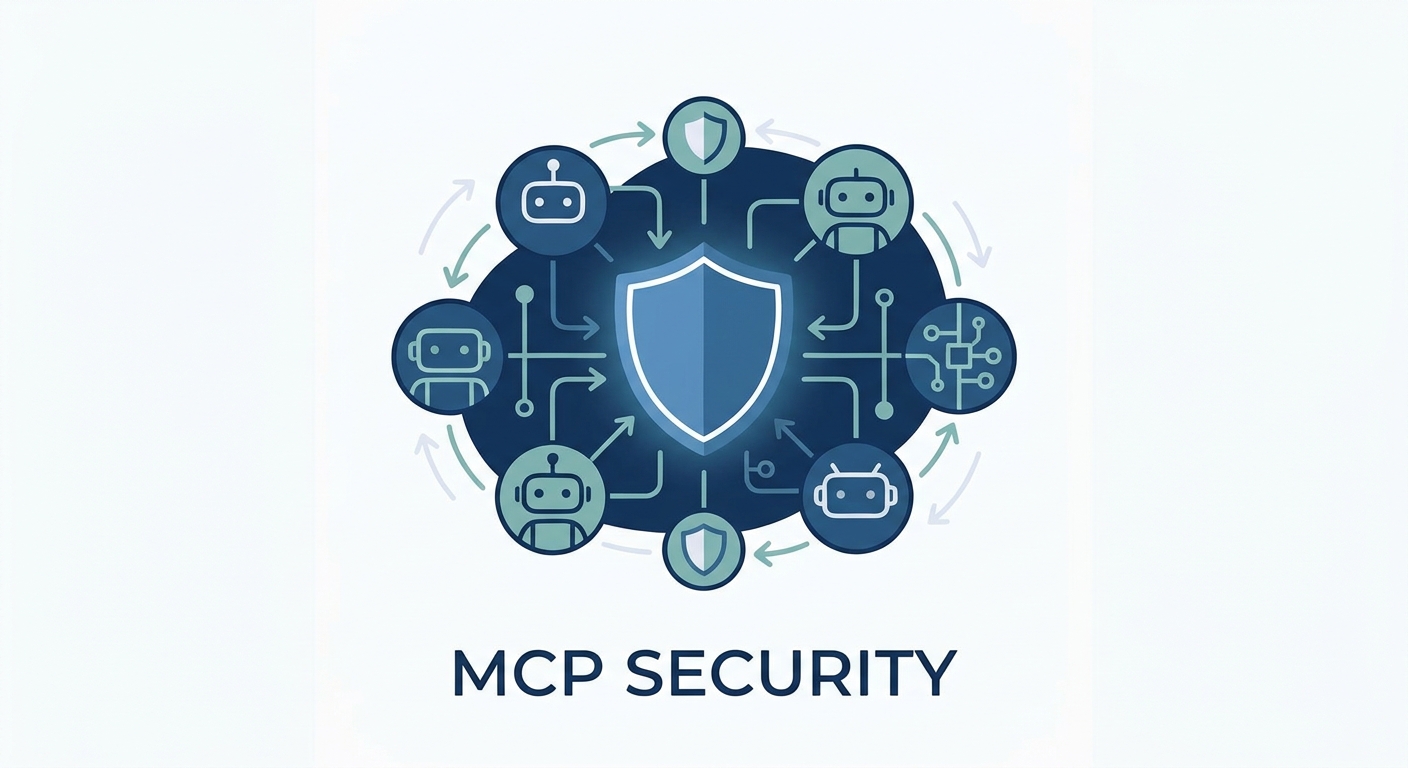
The industry is rushing to adopt the Model Context Protocol (MCP) to help AI agents talk to different data silos. It’s a massive win for interoperability, sure, but it also creates a massive, centralized target. Because MCP lets agents pull context from various servers, it opens the door to "Model Context Poisoning."
Picture this: A quantum-enabled adversary intercepts the data flowing between an AI agent and an MCP server. Because they can decrypt the traffic, they can inject malicious instructions or corrupted context data. The agent, none the wiser, treats this garbage as legitimate input. That’s the "Vulnerability Point" where your security architecture falls apart:
By messing with the context, the attacker isn't just stealing data—they’re hijacking the agent’s logic. They can force your AI to make suboptimal, or even malicious, decisions based on tainted information.
What Does "Quantum-Ready" Mean for Access Control?
Moving to a "Quantum-Resistant Zero Trust" model requires a total rethink of identity. In a legacy setup, we verify the user, the device, and the intent. In a quantum-ready world, we have to verify the cryptographic strength of the tokens themselves.
Most identity and access management (IAM) systems rely on tokens that will be laughably easy to forge in a post-quantum world. To stay ahead, your IAM must move to PQC-hardened identity. This means ditching the old RSA-based signing keys for algorithms that can actually withstand Shor’s algorithm. If your access tokens aren't signed using NIST-approved post-quantum signatures, your entire Zero Trust perimeter is just paper. You aren't just protecting access; you’re protecting the integrity of identity itself from an adversary who can rewrite the rules of the game.
How Can You Achieve Cryptographic Agility?
Cryptographic agility is just a fancy way of saying: "Don't lock yourself into a corner." It’s the ability to swap out vulnerable algorithms for quantum-resistant ones without nuking your entire infrastructure. Without this, you’re stuck with a brittle system that will require a massive, expensive, and error-prone "rip-and-replace" when the quantum threat finally matures.
Follow this three-step roadmap, keeping in line with NIST Post-Quantum Cryptography Standardization:
- Inventory and Audit: Catalog every instance of asymmetric encryption in your AI pipelines. Where are you using TLS? Where are those digital signatures hiding? Find them all.
- Abstraction Layering: Stop hard-coding algorithms. Implement a cryptographic abstraction layer. Use an API gateway or a middleware security layer that lets you swap in PQC-compliant modules the moment they’re ready.
- Phased Deployment: Start with your most valuable, long-lived data. Use "Hybrid" modes—wrap your existing encryption with an extra layer of PQC-hardened security. It’s a safety net while you transition to full quantum-resistant protocols.
Evaluating Your Threat Detection Framework
Standard security operations centers (SOCs) are built for human-speed threats. They can't handle the scale or the speed of quantum-accelerated AI attacks. When an attacker uses a quantum advantage to poison model context, it happens in milliseconds, and the payload is buried deep in the agent’s logic. You need AI-driven threat hunting that’s specifically tuned to spot anomalies in PQC-verified traffic.
Your threat detection must validate identity tokens in real-time. If an MCP server sends a context response, the agent needs to be able to verify—on the fly—that the response hasn't been tampered with.
As we explain in our guidance on quantum-resistant threat detection for model context poisoning, the goal isn't just staring at logs. It’s proactive, automated integrity verification.
The Strategic Roadmap: 2026-2027
To stay competitive, your roadmap needs teeth. The Cloud Security Alliance’s research on AI and Quantum Risks makes it clear: this is a systemic issue. It requires a top-down commitment.
- Audit Phase (Immediate): Map your cryptographic dependencies. If you don't know where your data is encrypted, you can't protect it.
- Implementation Phase (Next 12 months): Start moving to PQC-hardened identity management. Prioritize the links between your AI agents and your most sensitive data sources.
- Monitoring Phase (Continuous): Baseline your agent’s behavior. If it starts acting weird and the PQC integrity check fails, shut it down. Immediately.
Conclusion: Security as a Competitive Advantage
Quantum-safe architecture isn't just about playing defense. It’s a competitive edge. The organizations that can prove their AI ecosystems are quantum-resilient are the only ones that will earn the trust required for high-stakes enterprise data. Stop thinking about "passive compliance" and start thinking about "proactive engineering." Protect your data. Protect your innovation. The 2026 deadline is moving fast. The work starts today.
Frequently Asked Questions
What is the "Harvest Now, Decrypt Later" threat, and why does it specifically endanger my AI data?
HNDL is an attack strategy where adversaries intercept and store encrypted data today, knowing they cannot read it yet. They wait for the maturity of CRQCs to decrypt it later. Because AI training data and model weights are highly proprietary and have long-term value, they are the prime targets for this "store-and-wait" approach.
Does the Model Context Protocol (MCP) have built-in quantum-resistant features, or do I need to add them?
MCP is an open standard, and like many protocols, its security is a shared responsibility. The protocol itself provides the framework for communication, but it is up to the implementer to secure those channels using PQC-hardened transport and identity layers. You must add the quantum-resistant security layer yourself.
How can I achieve "cryptographic agility" in my AI infrastructure without disrupting current operations?
Focus on API gateway abstraction. By decoupling your security logic from your application code, you can update your cryptographic libraries or swap algorithms in your security middleware without needing to refactor the core AI agent logic.
Is my organization required to be quantum-ready by 2026, or is this still optional?
While "optional" might be the current status for some private sectors, regulatory pressure is mounting. Given the 2026-2027 mandates from government and international security bodies, quantum readiness is effectively becoming an enterprise requirement for any organization handling sensitive AI-driven data.
How does quantum computing specifically facilitate "Model Context Poisoning"?
Quantum-assisted decryption allows an attacker to break the encryption of the traffic between an MCP server and an AI agent. Once the traffic is decrypted, the attacker can inject false context—"poisoning" the agent's input—which allows them to manipulate the agent’s decision-making process while bypassing standard integrity checks that rely on weaker, classic cryptographic signatures.