Securing the AI Stack: How to Combine NDR with Post-Quantum Safeguards

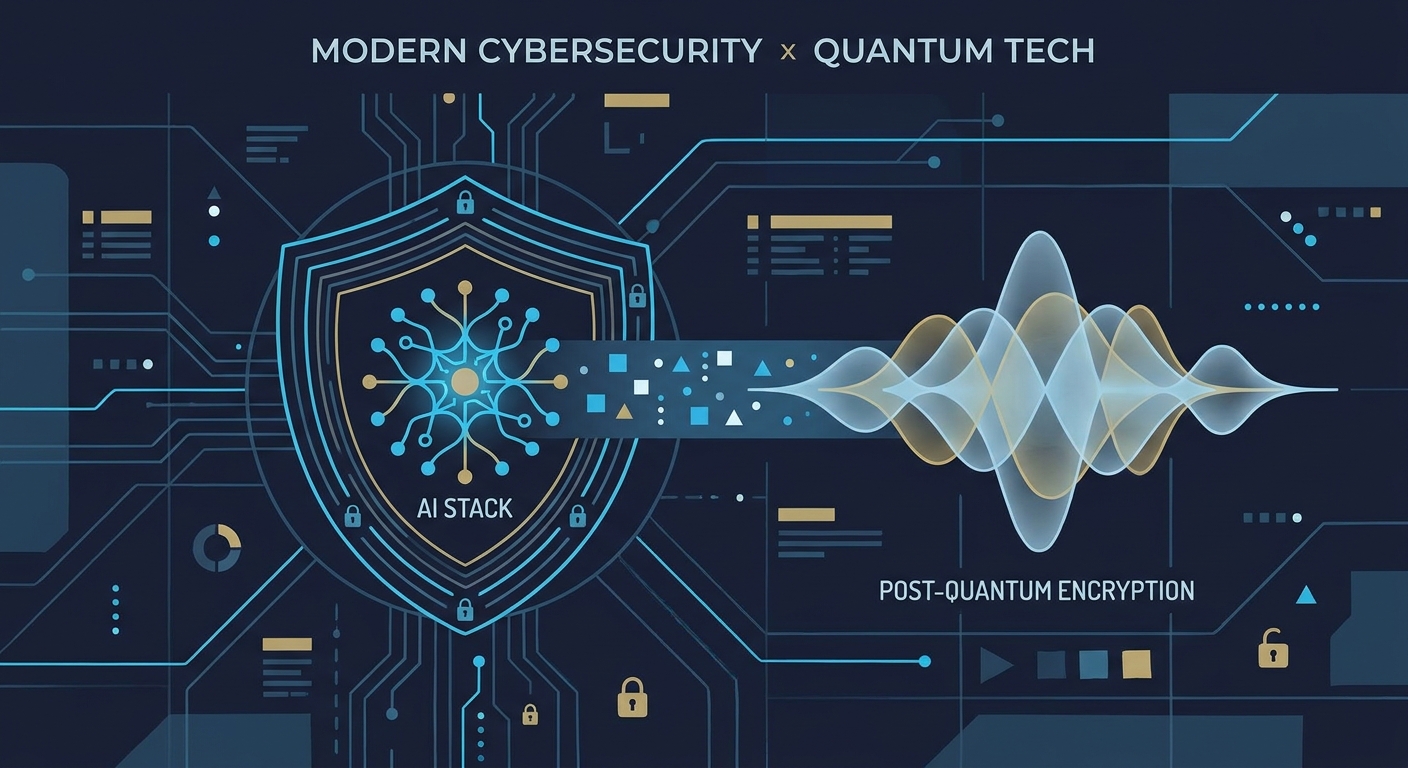
TL;DR
- ✓ Protect your AI stack against Harvest Now Decrypt Later quantum cyber threats.
- ✓ Implement post-quantum cryptography to harden sensitive data containers against future decryption.
- ✓ Deploy NDR solutions to monitor east-west behavioral traffic within AI environments.
- ✓ Secure the Model Context Protocol to prevent lateral movement by malicious actors.
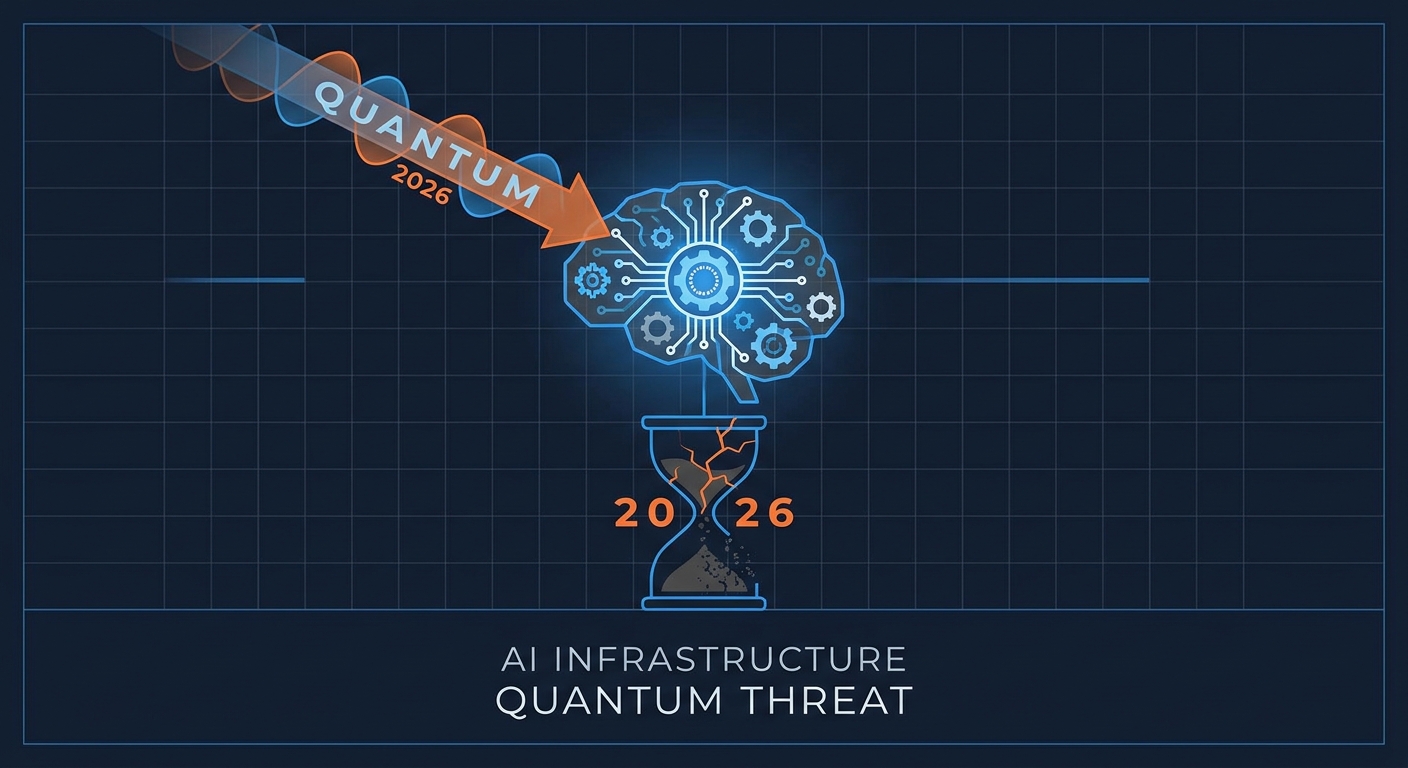
The 2026 security landscape is defined by a brutal irony: the very infrastructure powering your most sophisticated AI models is also your greatest liability. As organizations rush to integrate autonomous agents and high-bandwidth training sets, they are inadvertently creating a goldmine for adversaries utilizing "Harvest Now, Decrypt Later" (HNDL) tactics.
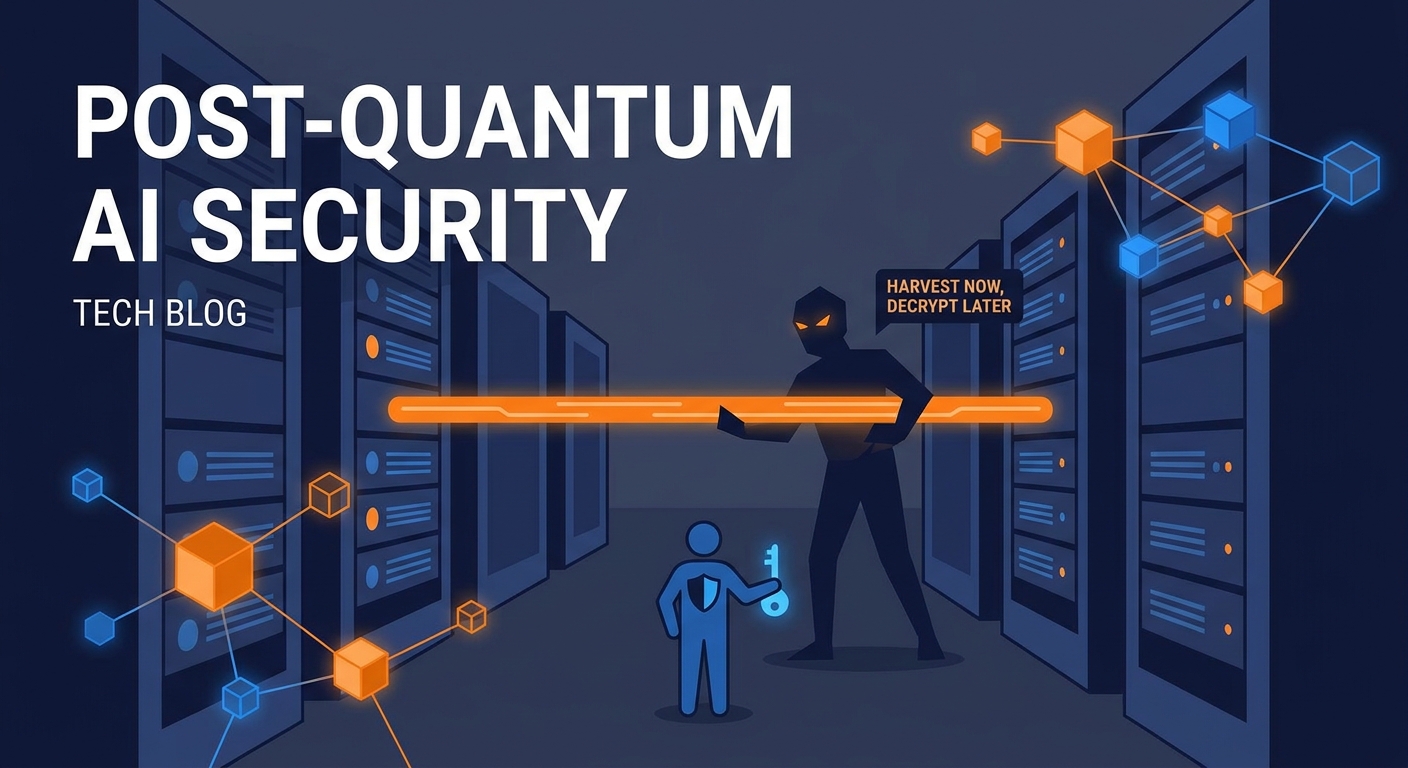
By intercepting and storing encrypted AI traffic today, attackers are playing a long game. They’re waiting for cryptographically relevant quantum computers (CRQCs) to render current encryption standards obsolete. To survive this, you cannot rely on legacy perimeter defenses. You need a dual-layered defense: Post-Quantum Cryptography (PQC) to harden your data containers, and Network Detection and Response (NDR) to monitor the behavioral heartbeat of your AI stack.
The 2026 Reality: Why Your AI Stack is Already a Target
The "Harvest Now, Decrypt Later" threat isn't some sci-fi plot for government spies anymore. It’s a clear and present danger to any enterprise handling proprietary model weights, synthetic training data, or sensitive inference logs. If an adversary captures a terabyte of your encrypted training traffic today, they have effectively stolen your intellectual property. They don't need to break your encryption right now. They simply need to hold it until the hardware catches up to the math.
Static perimeter defenses—the firewalls and access lists of the last decade—are woefully inadequate here. They were designed for north-south traffic, guarding the front door of the network. Modern AI stacks, however, operate in a chaotic state of "east-west" movement. Your models are constantly talking to each other, pulling data from vector databases, and triggering autonomous agents. When you shift from protecting static "users" to protecting these fluid, autonomous interactions, the perimeter effectively disappears. Your network is now a living, breathing organism. Your security strategy must evolve to monitor its pulse.
What is the Model Context Protocol (MCP) and Why Does It Need New Security?
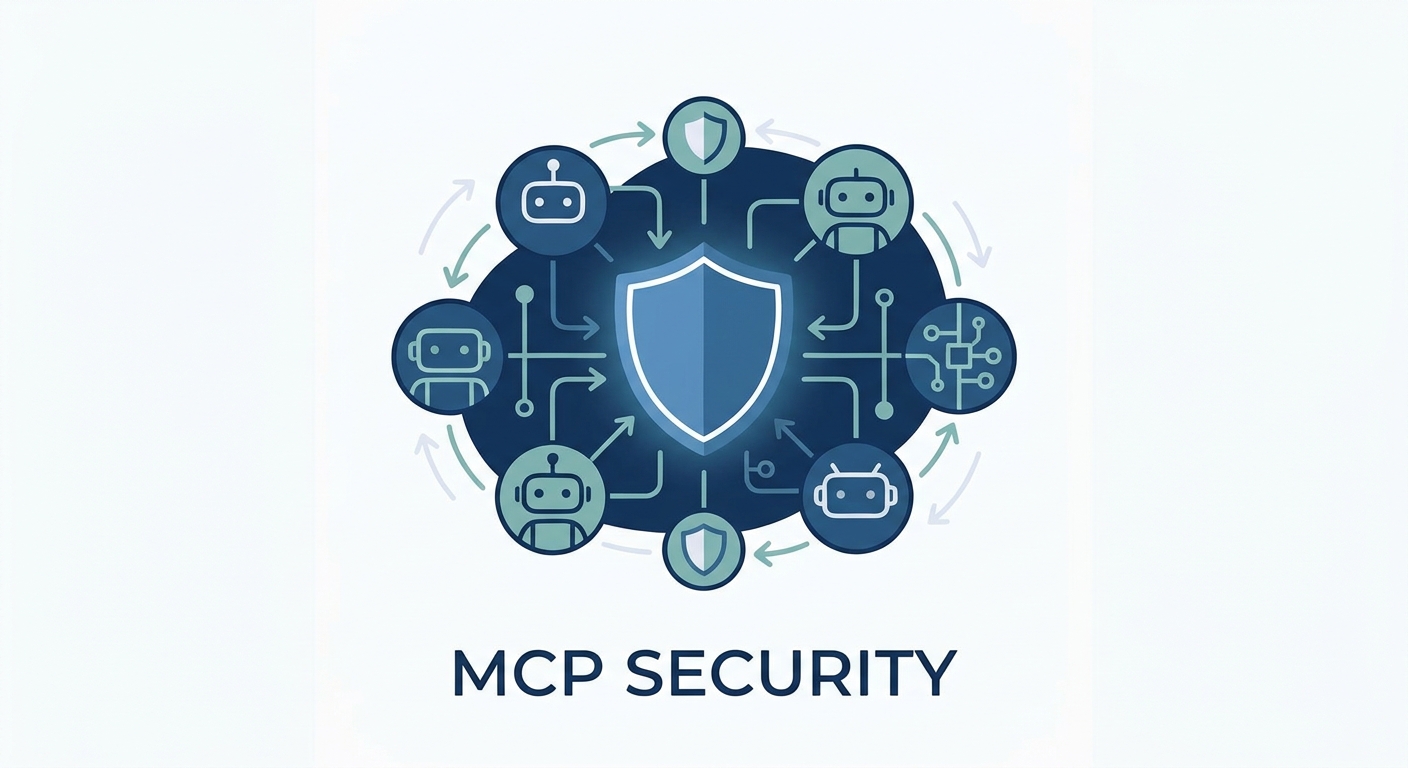
As AI architectures scale, we have seen the emergence of the Model Context Protocol (MCP), a standardized interface designed to simplify how AI models connect to data sources and development tools. While MCP acts as a massive efficiency multiplier, it also creates a standardized attack surface that didn't exist two years ago. By establishing a universal language for AI-to-AI communication, MCP allows an attacker who compromises a single node to move laterally with terrifying ease.
Because MCP traffic is often encrypted to protect the context being exchanged, traditional security tools treat it as a "black box," passing it through without inspection. This creates a critical visibility gap. Without protocol-aware security, you are essentially letting your AI agents operate in an unmonitored vacuum. You’re leaving the door wide open for malicious prompt injection or unauthorized data exfiltration disguised as legitimate MCP requests.
Why Traditional Security Fails the Modern AI Stack
The primary failure point of legacy security in the AI era is the "Blind Spot" problem. When you attempt to force-feed high-bandwidth AI inference traffic through a traditional deep packet inspection (DPI) firewall, the latency penalty is catastrophic. AI models require sub-millisecond responsiveness. If your security appliance adds even a few milliseconds of jitter, your model’s performance degrades, leading to timeouts and operational failure.
Consequently, most security teams disable inspection for their high-throughput AI traffic, effectively flying blind. This is a fatal mistake. If you cannot inspect the traffic, you must be able to analyze the behavior. The trade-off between DPI and performance is a false dichotomy. You don't need to decrypt every packet to know if a model is acting out. You need to analyze the metadata, the flow patterns, and the cadence of the communication.
How NDR Functions as the AI "Traffic Controller"
Network Detection and Response (NDR) is the only technology capable of bridging this gap. By utilizing real-time visibility into the network fabric, NDR acts as an intelligent traffic controller that doesn't need to see the "content" of the message to understand the "intent" of the actor.
When an autonomous agent begins behaving erratically—perhaps by querying a database it has never touched before or attempting to exfiltrate large volumes of data to an external endpoint—the NDR platform recognizes this as a deviation from the established baseline. By profiling the "normal" behavioral patterns of your agents, NDR can identify unauthorized exfiltration in real-time, even when the underlying payload is encrypted. It treats the network like a crime scene, looking for the tell-tale signs of lateral movement rather than trying to crack the safe itself.
Implementing Post-Quantum Safeguards: A Strategic Migration
Securing your infrastructure against quantum-capable adversaries requires a phased, methodical approach. It is not enough to simply "turn on" quantum-resistant algorithms. You must first ensure your network can handle the transition. The NIST Post-Quantum Cryptography Standardization provides the roadmap, specifically through algorithms like CRYSTALS-Kyber and Dilithium, but the implementation must be strategic.
Follow this 3-Step Migration Roadmap:
- Audit AI Infrastructure: Identify every point in your stack where legacy encryption (like RSA or ECC) creates a bottleneck or a security risk. You need to know exactly where your most sensitive model weights are traversing.
- Deploy NDR for Baselines: Before you introduce complex quantum-resistant tunnels, deploy NDR to baseline your existing encrypted traffic patterns. You cannot secure what you don't understand. If you don't know what "normal" looks like today, you won't be able to spot an attack tomorrow, even with PQC in place.
- Transition to Quantum-Resistant Tunnels: Once your visibility is established, begin upgrading your data transit layers to use NIST-approved quantum-resistant tunnels for your most sensitive model weights and training sets. Refer to CISA Quantum Readiness Guidance to ensure your implementation aligns with current federal security standards.
The Integrated Defense Model: PQC + NDR
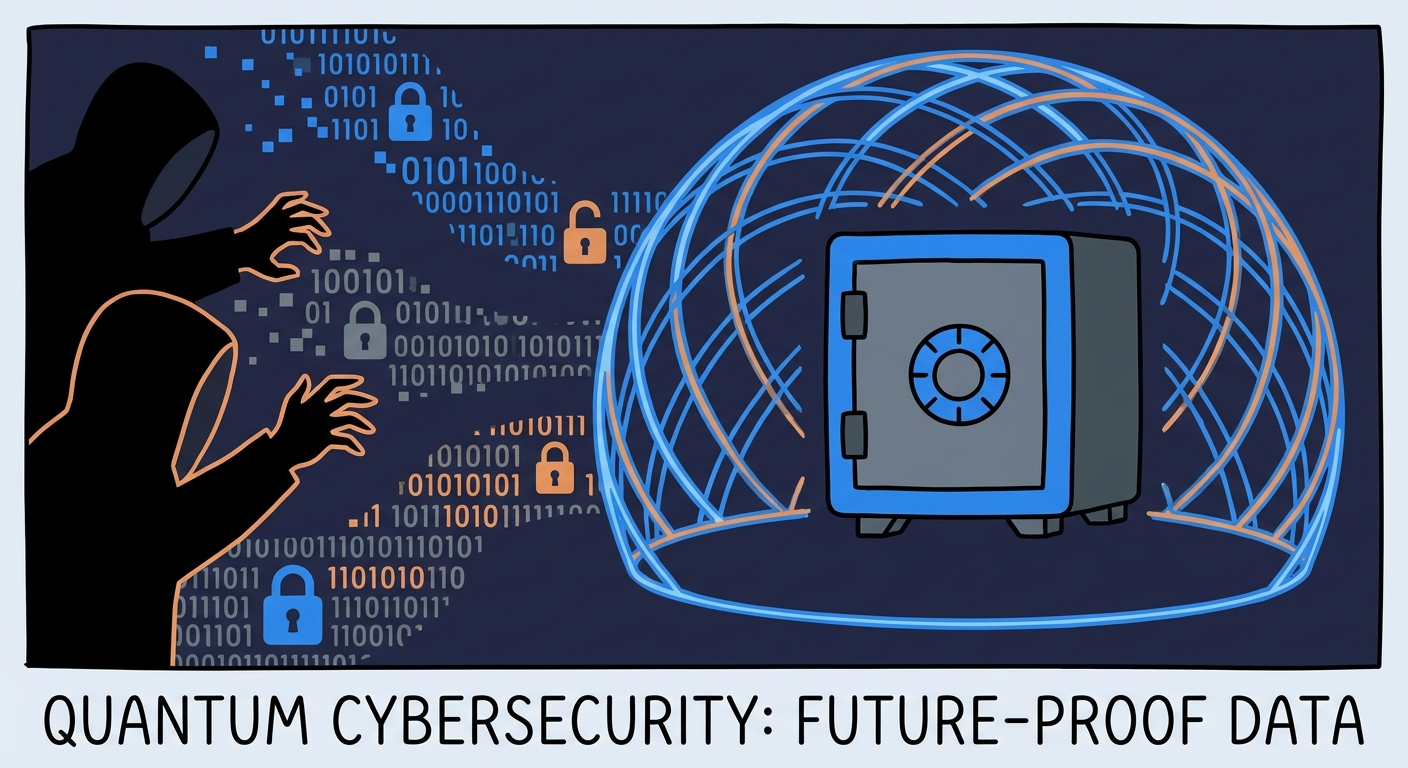
The most resilient architectures utilize a symbiotic relationship between PQC and NDR. Think of PQC as the vault—it secures the container, making the data mathematically impossible to decrypt for a quantum computer. However, a vault only protects the contents; it doesn't stop an authorized user from doing something malicious. That is where NDR comes in. NDR secures the process. It ensures that the person (or agent) holding the key to the vault is actually authorized and acting within established behavioral norms.
You cannot have one without the other. PQC prevents the "Harvest Now, Decrypt Later" threat from succeeding in the future, while NDR prevents the misuse of authorized access in the present. This Zero Trust AI Infrastructure approach is the only way to ensure that your AI stack remains both private and performant.
Overcoming the Performance Penalty: Security at Scale
The anxiety surrounding security-induced latency is legitimate, but it is solvable. The modern shift is away from "Human-in-the-Loop" security—which is far too slow for the speed of machine-to-machine interaction—and toward "Automated NDR-driven Response."
By integrating your NDR platform with your orchestration layer, you can automate response actions. If the NDR detects a suspicious flow, it doesn't wait for an analyst to review the alert. It can automatically isolate the affected container, rotate credentials, or throttle the connection. This "Security at Scale" model ensures that your protection happens at wire speed, minimizing latency while maintaining a robust defensive posture.
Future-Proofing Your AI Infrastructure (2026 and Beyond)
Compliance is rapidly becoming the catalyst for this transformation. Regulatory frameworks are beginning to mandate quantum-readiness for any organization handling critical infrastructure or sensitive personal data. If you wait until the mandates are finalized, you will be caught in a massive scramble for resources and expertise.
Building a resilient architecture today means assuming that quantum capability is an inevitability. By combining the cryptographic longevity of PQC with the behavioral intelligence of NDR, you aren't just checking a compliance box; you are building a competitive advantage. You are ensuring that while your competitors are vulnerable to the quantum threats of tomorrow, your AI stack is already hardened, monitored, and ready for the next era of computing.
Frequently Asked Questions
Is my AI model data really at risk from quantum computers today?
Yes. The "Harvest Now, Decrypt Later" threat is real. Adversaries are currently intercepting and hoarding encrypted traffic from enterprise networks. They do not need to crack your encryption today; they are simply waiting for the development of cryptographically relevant quantum computers to unlock the data they have already stolen.
Does NDR conflict with post-quantum encryption?
No. While PQC makes it harder to inspect the raw payload of a data packet, NDR focuses on metadata, flow patterns, and behavioral anomalies. Because NDR does not rely on decrypting the traffic to identify malicious intent, it remains highly effective even within quantum-safe, encrypted environments.
What is the first step to securing my AI stack against quantum threats?
Prioritize visibility. You cannot protect what you cannot see. Before attempting complex cryptographic migrations to PQC, you must deploy NDR to establish a baseline of "normal" behavior across your AI infrastructure. This visibility is the foundation upon which all other security measures must be built.
How does the Model Context Protocol (MCP) change the security landscape?
MCP introduces a standardized interface for AI-to-AI communication, which simplifies data access but also creates a new, universal attack surface. Because MCP traffic is often encrypted and bypasses traditional perimeter firewalls, it requires protocol-aware NDR to monitor for lateral movement and unauthorized data access between agents.