Post-Quantum Cryptographic Agility in Model Context Protocol Proxies

TL;DR
- This article explores the critical need for cryptographic agility within Model Context Protocol proxies to defend against future quantum threats. It covers the integration of NIST-standardized algorithms like Crystals-Kyber, the architectural requirements for hybrid p2p encryption, and how real-time policy enforcement maintains ai security. Readers will learn how to implement future-proof mcp deployments that can swap encryption primitives without disrupting ai operations.
The Quantum Threat to AI Contextual Data
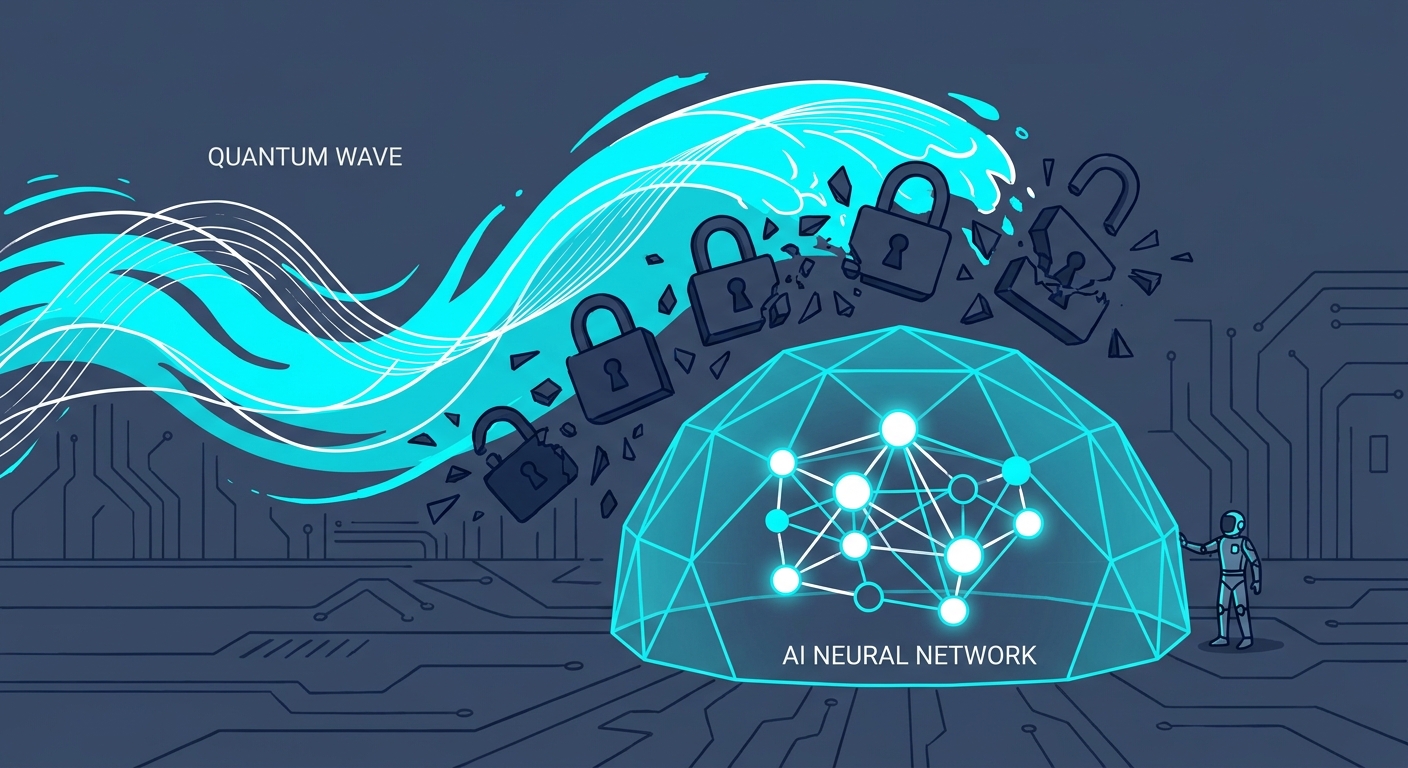
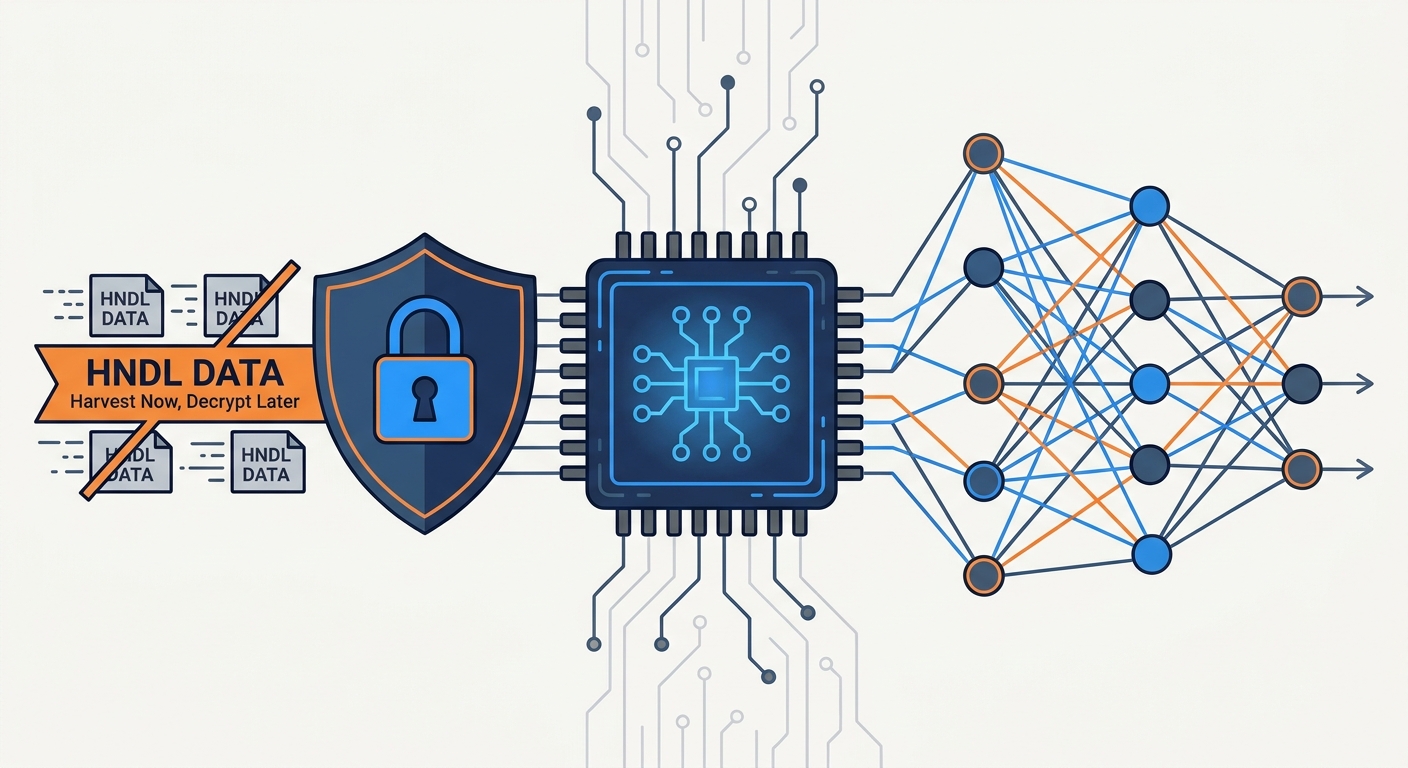
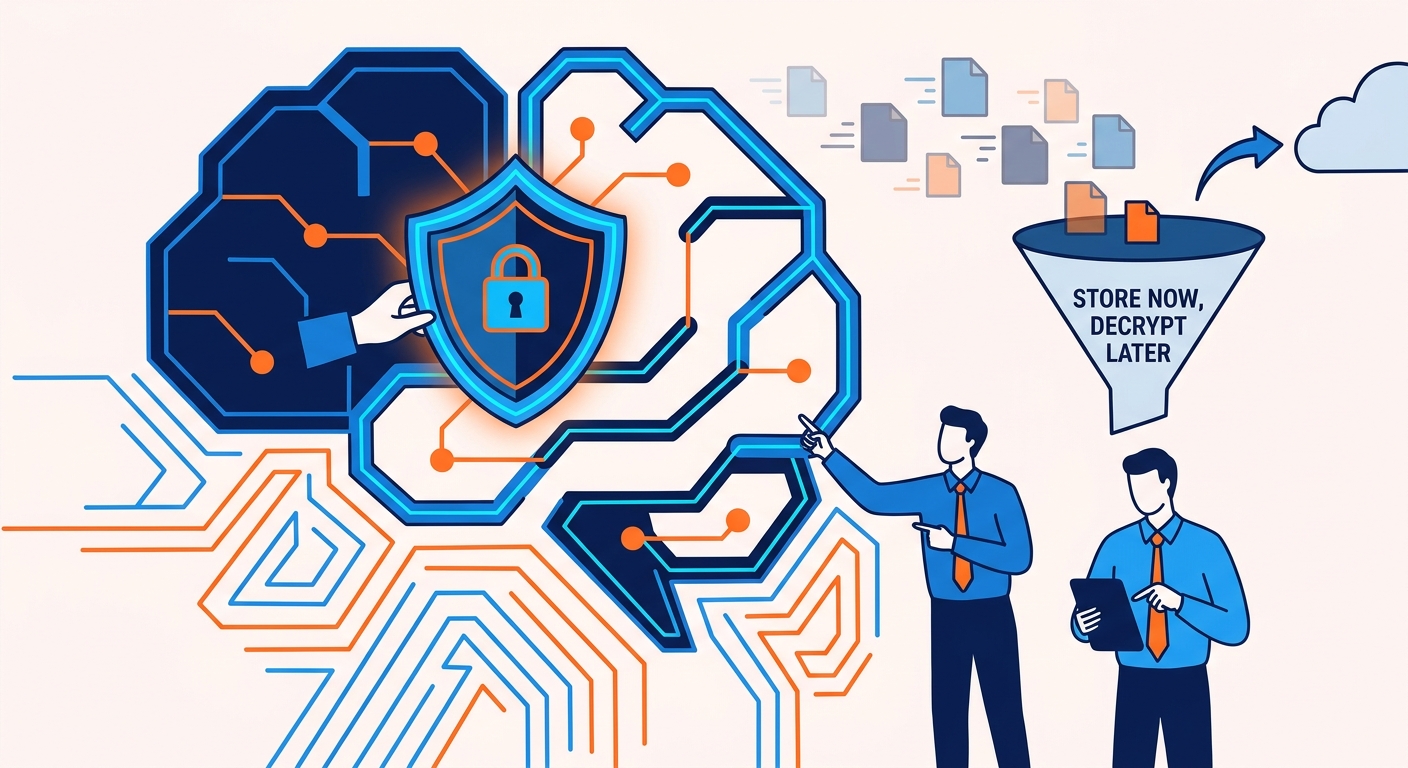
Imagine waking up in five years only to find out every private ai prompt your team sent today was just decrypted by a bored hacker with a quantum computer. It sounds like sci-fi, but "harvest now, decrypt later" is a very real strategy where bad actors scoop up encrypted traffic today, waiting for the hardware to catch up.
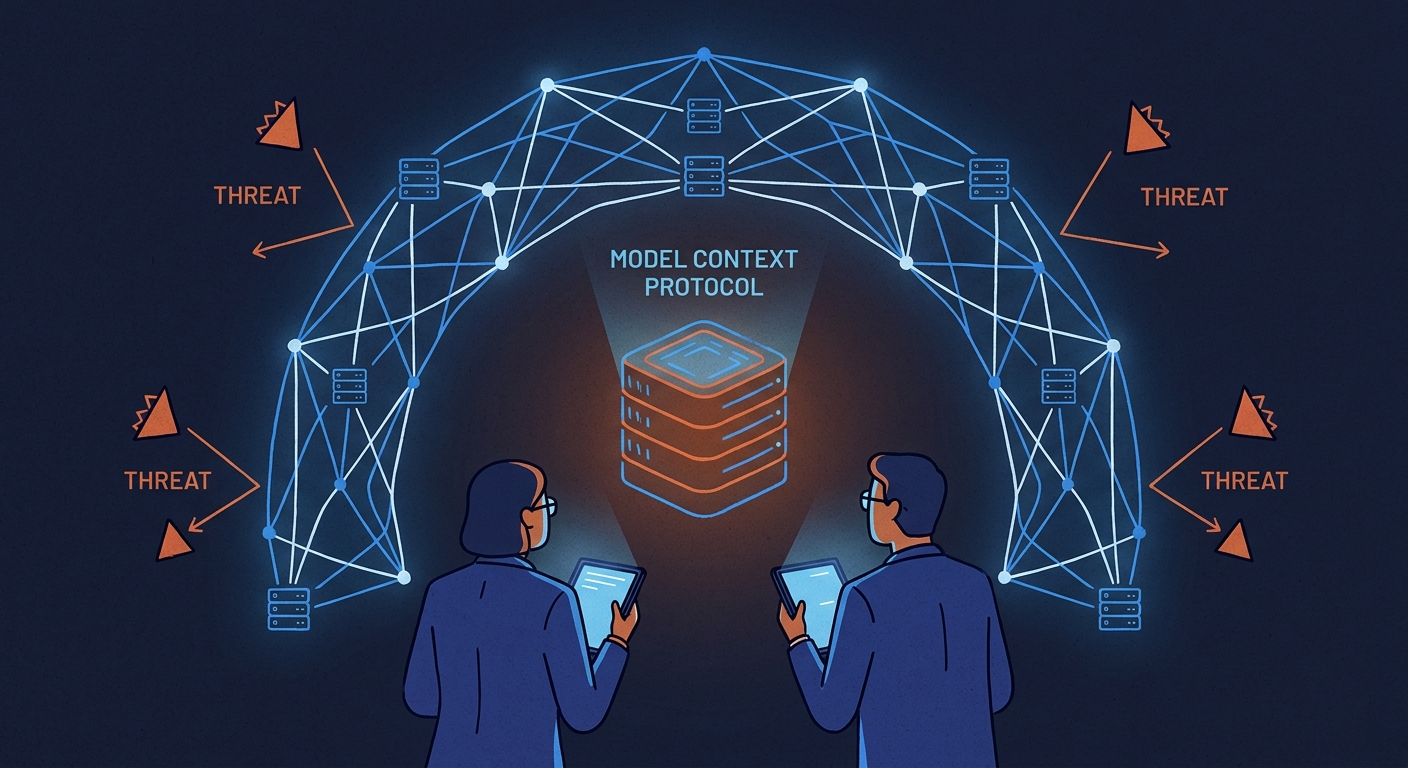
Standard security like RSA or ECC—the stuff we usually trust for api connections—simply won't hold up once cryptographically relevant quantum computers (CRQCs) arrive. In the world of the Model Context Protocol (MCP)—an open standard that enables AI models to connect to local and remote data sources and tools—this is a massive blind spot. When we're constantly piping sensitive data between local tools and remote models, the protocol itself needs to be hardened.
- The Shelf-Life Problem: In healthcare, patient records stay sensitive for decades. If you’re using mcp to summarize charts today, that data needs protection that lasts longer than the current encryption standards.
- P2P Weakness: Many mcp setups rely on peer-to-peer tunnels. If those handshakes use old-school math, the whole context window is basically an open book for future viewers.
- Retail & Finance: Think about proprietary trading algorithms or retail supply chain secrets being fed into an ai for optimization; if that context is intercepted, your competitive edge has an expiration date.
According to IBM's 2024 Cost of a Data Breach Report, the average cost of a breach has hit $4.88 million, and that doesn't even account for the "ticking time bomb" of future quantum decryption.

Honestly, just slapping a standard cert on your proxy isn't enough anymore because the math is changing. We need to look at how we can swap these out without breaking the whole system, which brings us to the idea of cryptographic agility.
Defining Cryptographic Agility in MCP Proxies
Ever tried to swap a car engine while driving down the highway at 70 mph? That is basically what we're asking our systems to do with cryptographic agility in the mcp world.
It isn't just about having a new shiny lock; it is about the ability to change the locks and the keys without the user ever noticing the door was even touched. For an mcp proxy, this means being ready for quantum threats before they actually arrive.
The big idea here is separating the transport layer—how the data moves—from the encryption primitives—the math that keeps it secret. If your proxy is tightly coupled to one specific algorithm, you're stuck when that math gets broken.
- Hybrid Handshakes: We aren't just jumping into the deep end with quantum-only tech. Agility means running a "double wrap" where you use classical RSA alongside something like ML-KEM (formerly Kyber). If one fails, the other still holds the line.
- Algorithm Negotiation: Just like a browser talks to a server, the mcp proxy should be able to say, "Hey, I support Dilithium for signatures, do you?" and downgrade gracefully if the other side is still living in 2023.
- Zero Downtime: In high-stakes fields like finance, you can't just turn off the ai trading bot to update a library. Agility allows for rolling updates where new connections use ML-KEM while old ones finish up on the old stack.

The proxy is the perfect spot to handle this because it acts as a central hub for all your api keys and secrets. Instead of updating fifty different mcp servers, you just update the proxy configuration.
According to the NIST Post-Quantum Cryptography (PQC) standards, finalized in 2024, organizations should start transitioning to algorithms like ML-KEM to ensure long-term data integrity. This is huge for healthcare where patient data has to stay private for decades.
If your proxy handles the automated rotation of these quantum-safe credentials, your devs can focus on building cool ai features instead of worrying about math. It makes the whole transition feel less like a crisis and more like a routine oil change.
Once you have this agile setup, the next step is figuring out how to actually build the technical tunnels that move this data between peers securely.
Implementing Post-Quantum P2P Connectivity
So, we've got our mcp proxy acting as a gatekeeper, but how do we actually move the data without some future quantum bot snooping on the p2p (peer-to-peer) tunnel? That's where things get a bit messy, but in a good way, if you’re using the right framework.
I’ve been looking at how Gopher Security handles this, and honestly, their 4D framework is pretty slick for mcp deployments. It basically treats every p2p connection like it’s already under attack by a quantum computer. The framework consists of four main pillars: Discovery of all connections, Defense via quantum-resistant tunnels, Detection of handshake anomalies, and Deployment across hybrid environments.
- Quantum-Resistant Tunnels (Defense): Gopher doesn't just use one tunnel; it integrates threat detection directly into the ML-KEM handshake. If a node tries to connect using a weak cipher, the system flags it instantly.
- Handshake Monitoring (Detection): You can actually see this happen in real-time on the gopher dashboard. It tracks "handshake anomalies"—like if a peer suddenly drops back to a legacy protocol—which is usually a sign someone is trying a downgrade attack.
- Industry Spread (Deployment): I've seen this used in data-heavy retail to protect inventory ai and in finance for securing p2p feeds between trading desks. It’s not just for the big labs.

One thing that's cool is how the 4D framework handles the "identity" part of the p2p link. It’s not just about the encryption; it’s about making sure the peer on the other end is actually who they say they are using Dilithium-based signatures.
Anyway, setting this up isn't as scary as it sounds. Here is a tiny snippet of what a policy might look like when you're telling your proxy to enforce these quantum-safe p2p links:
p2p_connectivity:
  enforce_pqc: true
  allowed_algos: ["ML-KEM-768", "ML-DSA-65"]
  threat_detection:
    block_downgrade_attempts: true
    alert_on_latency_spike: true
So, once you have these secure tunnels running, you gotta start thinking about who actually gets the keys to the kingdom. Which leads us right into how we manage all those identities without losing our minds.
Policy Enforcement at the Quantum Edge
So you finally got your pqc tunnels up, but now comes the real headache—how do you stop a "quantum-ready" user from accidentally (or on purpose) nuking your whole ai setup? It is one thing to have a secret pipe, but quite another to control what actually flows through it.
In a typical mcp setup, your proxy is basically a traffic cop. You gotta set rules that say "if you aren't using ML-KEM, you can't touch the healthcare database." It's about tying access to the actual strength of the math.
- Encryption-Based Access: You can block specific tools—like a python code interpreter—if the incoming connection is still using old-school rsa. This stops "harvest now, decrypt later" for your most sensitive scripts.
- Context-Aware logic: If an ai model tries to pull data from a finance repo, the proxy checks if the session has been flagged for any weird behavior.
- Deep Packet Inspection: Even inside the encrypted tunnel, the proxy needs to peek at the mcp frames to make sure nobody is trying a "puppet attack" (where an attacker manipulates model inputs to trick the ai into executing unauthorized tool calls).

Honestly, i've seen teams in retail get burned because they forgot to restrict their inventory apis to quantum-safe routes. It’s a mess.
By locking down these policies today, you create a foundation for the long-term auditability and compliance requirements that are becoming mandatory for ai systems.
The Future of Secure AI Infrastructure
Honestly, the scariest part of ai security isn't the math—it is the paperwork. We’re moving toward a world where your mcp proxy doesn't just encrypt data but actually proves it happened for the auditors.
Security shouldn't be a manual chore. Automation is taking over the boring stuff:
- Quantum-Safe Logs: Modern proxies are starting to sign audit trails with Dilithium. This ensures your soc 2 or gdpr logs can't be forged by future quantum tech.
- Auto-Standardization: Groups like the Cloud Security Alliance (CSA) - who provide guidance on secure cloud and ai adoption - are helping shape how mcp proxies should handle these long-term threats.

Anyway, if you start building for the quantum future now, you won't be scrambling when the regulations finally catch up. Stay safe out there.