Top 7 Quantum Computing Threats to AI Infrastructure in 2026

TL;DR
- ✓ Harvest Now Decrypt Later attacks threaten your encrypted training data and model weights.
- ✓ Quantum algorithms enable model inversion to extract sensitive data from your AI outputs.
- ✓ Static RSA and ECC encryption are obsolete against emerging quantum-accelerated decryption capabilities.
- ✓ Shifting to Post-Quantum Cryptography is now a mandatory regulatory baseline for AI security.
- ✓ Protecting proprietary model architecture is essential to prevent cloning and reverse-engineering.
2026 isn't some distant "what if" scenario. It’s an operational deadline. With 10,000+ qubit processors finally hitting the scene, the collision between high-end artificial intelligence and quantum computing has moved out of the ivory tower and straight into your server room.
The biggest danger isn't some dramatic, overnight "Q-Day" where the internet goes dark. It’s quieter. It’s the "Harvest Now, Decrypt Later" (HNDL) strategy. If your AI setup is still leaning on old-school RSA or ECC encryption, you’re basically leaving the vault door cracked open. Sophisticated actors are already vacuuming up your training data and model weights, just waiting for the day their quantum hardware catches up to unlock the loot.
The Quantum-AI Threat Landscape: Where We Stand
We’ve moved past the era of cryogenically cooled lab experiments. Quantum hardware is migrating into high-performance compute clusters right now. Bad actors aren't waiting for a perfect, fault-tolerant computer; they’re building the pipeline to ingest stolen data and sit on it until they can crack it.
According to recent analysis on quantum cybersecurity trends, shifting to Post-Quantum Cryptography (PQC) isn't just a "best practice"—it’s a regulatory baseline. If your business handles high-value AI assets, static security is dead. You need to move, and you need to move fast.
The Top 7 Quantum Threats to Your AI Infrastructure
1. The HNDL Data Exfiltration Crisis
The most insidious threat is the HNDL strategy. While your current encryption looks solid, it’s a ticking clock. Adversaries are intercepting and storing massive volumes of encrypted training datasets, model architecture files, and proprietary inference logs. By the time quantum decryption hits scale, your most guarded intellectual property will be wide open.
2. Quantum-Accelerated Model Inversion
Think your differential privacy measures are enough? Think again. Quantum algorithms—like Grover’s search or quantum-enhanced gradient descent—can tear through the complexity that protects your models. In 2026, an attacker with enough quantum compute can reconstruct sensitive training data from a model’s output, effectively turning your own "black box" against you.
3. Compromise of Proprietary Model IP
Your model weights are your competitive edge. If they’re moved or stored using classical RSA or ECC, they’re essentially transparent to anyone with the right quantum toolkit. Once the weights are out, the model is cloned, modified, or reverse-engineered. Your market differentiator is gone in a heartbeat.
4. Breaking Classical Authentication
The whole idea of AI provenance relies on digital signatures. If the hashing algorithms used to sign your model updates or container images get cracked by Shor’s algorithm, an attacker can inject malicious code or "poisoned" weights into your production pipeline. Once the trust is broken, your entire CI/CD pipeline is compromised.
5. Poisoning the Quantum-AI Supply Chain
Many companies are stuck with legacy Hardware Security Modules (HSMs) that can't handle NIST-approved PQC algorithms. This is a massive hardware bottleneck. If your HSM can't be patched, it’s a permanent backdoor. You have to face the reality: if the hardware won't support the new standards, it's a liability.
6. Quantum-Enabled Side-Channel Attacks
Quantum sensors are getting scarily precise. They can pick up minute fluctuations in power consumption or electromagnetic (EM) signatures while an AI chip is crunching data. This allows an attacker to extract keys or internal states without ever touching your software. It’s a physical-layer nightmare that’s incredibly hard to defend against.
7. The "Crypto-Agility" Gap
The inability to swap out encryption algorithms at scale is your biggest weakness. If you’ve hard-coded cryptographic protocols into your infrastructure, you’re a sitting duck. You need the flexibility to pivot to PQC-compliant standards as they evolve, or you’ll be left exposed the moment a new exploit hits.
How Do NIST PQC Standards (FIPS 203, 204, 205) Change the Game?
The finalization of NIST Post-Quantum Cryptography Standards marks the end of the "wait and see" era. FIPS 203 (ML-KEM), 204 (ML-DSA), and 205 (SLH-DSA) are the new bedrock. For AI teams, this means if your infrastructure doesn't support these, you’re looking at audit failures and regulatory fines by the end of 2026. This isn't just about checking a box; it’s about survival.
Is Your AI Infrastructure "Quantum-Resilient"?
True resilience is "Crypto-Agility." Can you update your crypto primitives without a total architectural teardown? If the answer is "no," you’re failing the 2026 test. If you need to know where you stand, our AI Infrastructure Security Guide breaks down how to audit your stack against these threats.
The 3-Pillar Defense Strategy for 2026
- PQC Migration: Start with your most valuable models. Don't try to boil the ocean. Identify the IP that keeps the lights on and move it to FIPS-compliant encryption now.
- Hardware Hardening: Audit your HSMs. If they can't do PQC, swap them out. If you’re in a high-security sector, look into Quantum Key Distribution (QKD) to add a physical layer of protection.
- Supply Chain Auditing: Your security is only as strong as your weakest vendor. If your cloud provider or model host can't prove they’re compliant with the 2026 mandate, you’re at risk. Read more about these Quantum Computing Risks for AI Security 2026.
Conclusion: Stop Talking, Start Securing
2026 is the "Quantum Inflection Point." The cost of sitting on your hands—stolen IP, ruined models, regulatory hell—is infinitely higher than the cost of upgrading. As noted in recent insights on the AI and Quantum convergence, the winners in this era will be the ones who treat security as a living, breathing part of their AI strategy. Get moving. The future of your infrastructure depends on it.
Frequently Asked Questions
Is "Q-Day" (the day quantum computers break encryption) happening in 2026?
No. We aren't expecting a full-scale, fault-tolerant quantum computer that breaks all encryption in 2026. But the threat is already here because attackers are stealing encrypted data now, storing it, and waiting for the day they can break it.
What is "Crypto-Agility," and why is it mandatory for AI teams in 2026?
Crypto-agility is just the ability to swap out old, broken encryption for new, quantum-safe versions without rebuilding your entire system. It’s mandatory because quantum threats are evolving; if you can't swap your protocols on the fly, you're going to get caught out.
How does "Harvest Now, Decrypt Later" specifically threaten my AI models?
HNDL is a long-game play. By stealing your training data or model weights today, an attacker can hold onto them until quantum hardware matures. Once they have the machine to unlock the files, your competitive advantage vanishes.
Do I need to replace all my hardware to be quantum-resistant?
Not necessarily. Start by auditing your Hardware Security Modules (HSMs). Many can be patched for PQC. If you have legacy hardware that simply can't handle the new math, then yes, it needs to go.
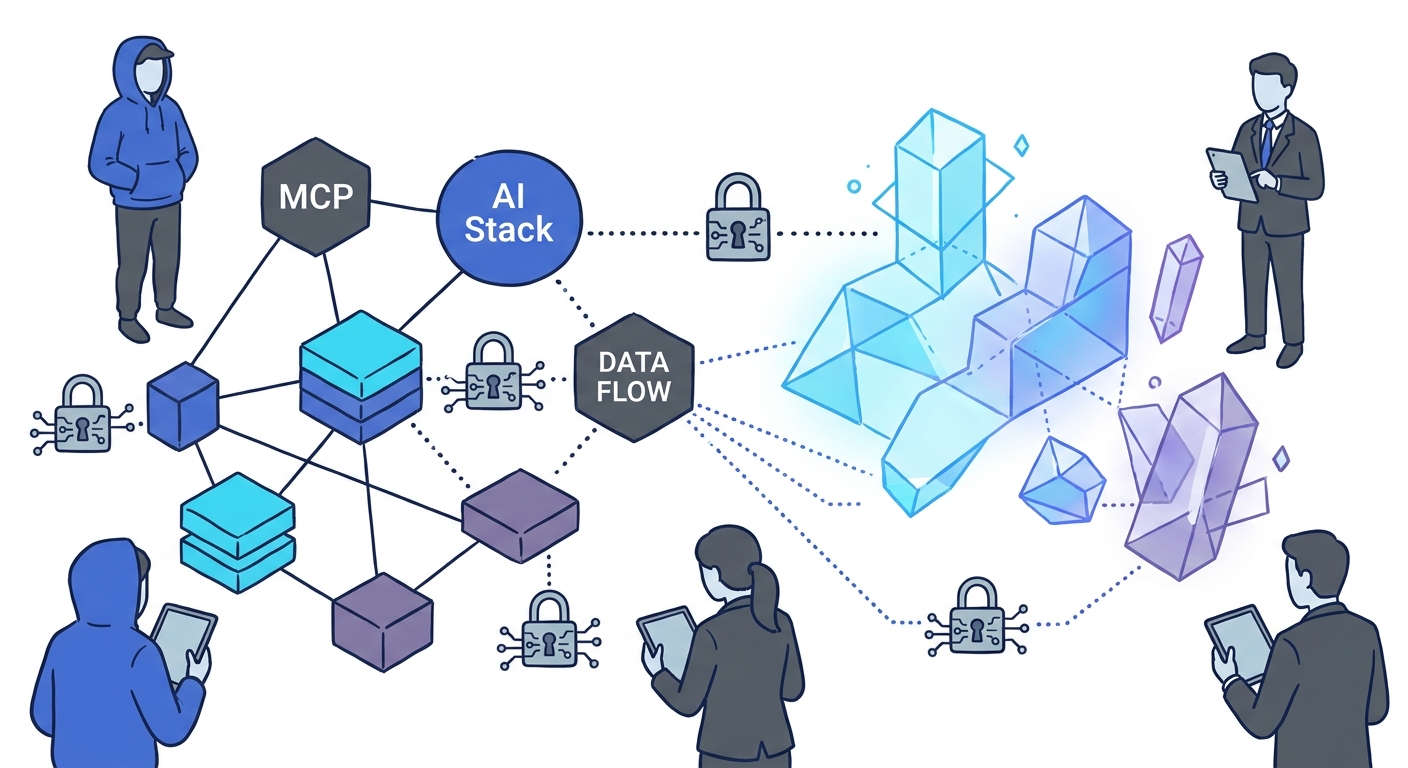
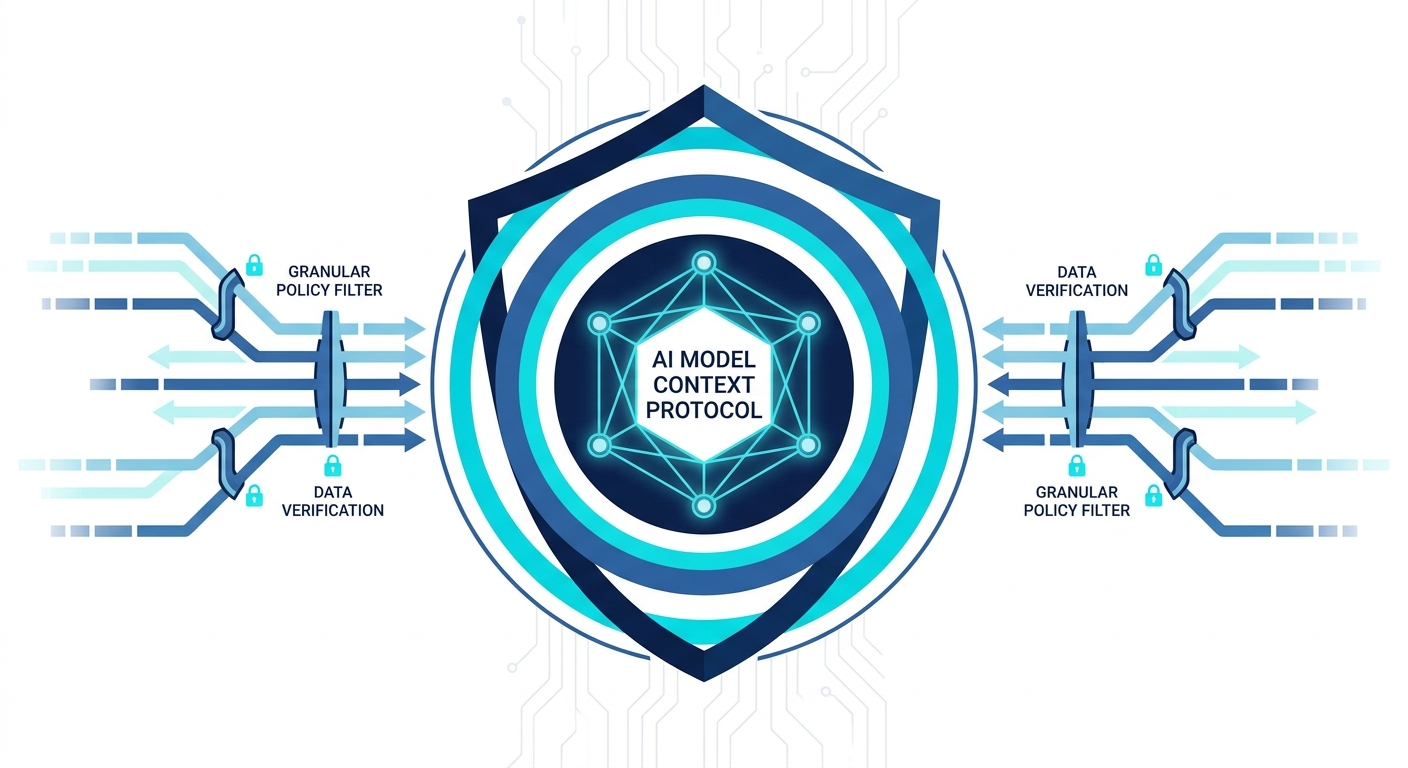
How does the Model Context Protocol (MCP) integrate with quantum-safe security?
The Model Context Protocol relies on secure handshakes between servers and clients. In a quantum-safe world, these handshakes need to use PQC-compliant key exchanges. If you don't secure these, you're leaving a massive window open for interception.