Securing Model Context Protocol: A Roadmap for Post-Quantum AI Infrastructure

TL;DR
- ✓ Learn why current MCP implementations are vulnerable to future quantum-based decryption attacks.
- ✓ Understand the risks of Store Now Decrypt Later strategies for proprietary AI data.
- ✓ Implement quantum-resistant standards to future-proof your agentic AI workflows by 2026.
- ✓ Balance high-speed MCP performance with advanced, modern cryptographic security requirements.
The Model Context Protocol (MCP) has completely rewritten the rulebook for AI. We’ve moved away from clunky, static integrations toward fluid, agentic workflows that actually get things done. But there’s a catch—a big one. While we’re busy building the future, we’re leaving the back door wide open to tomorrow’s threats.
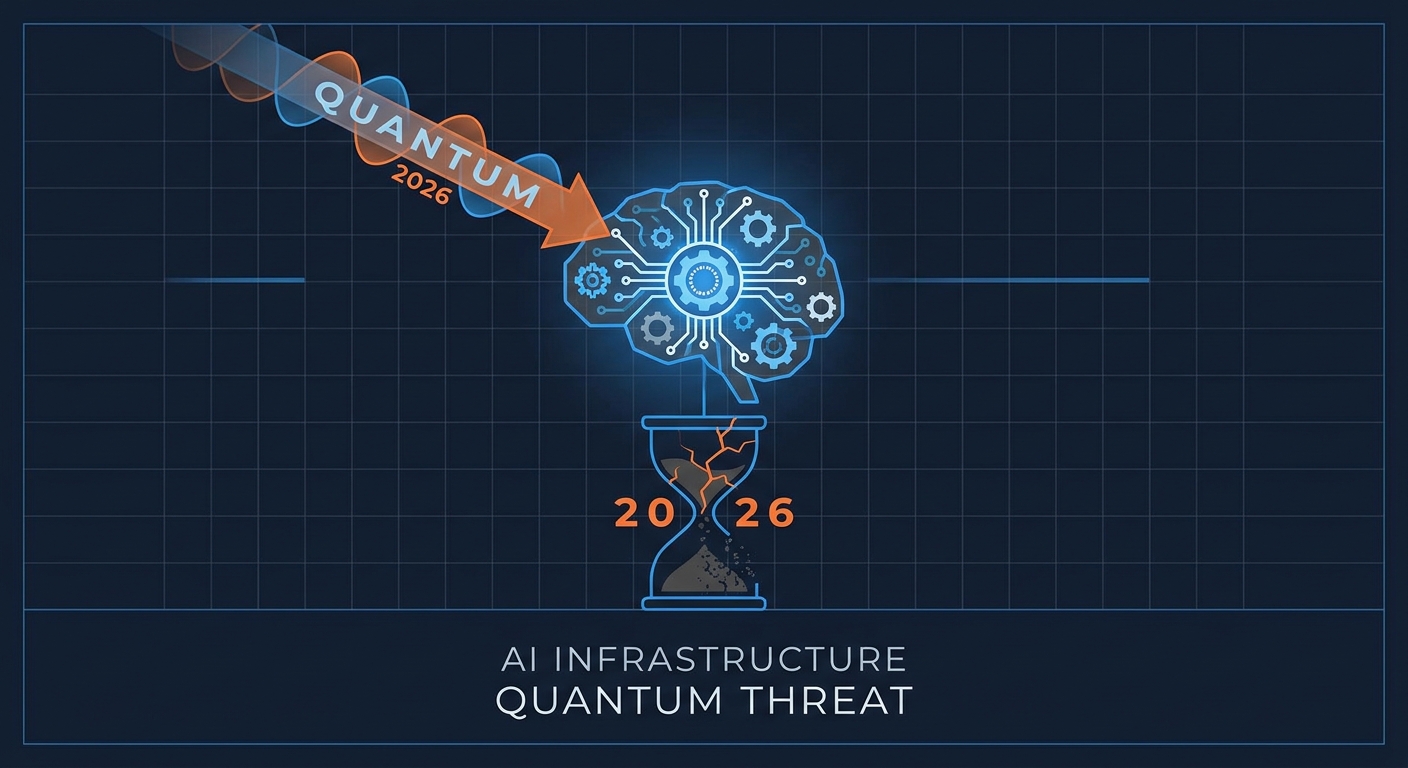
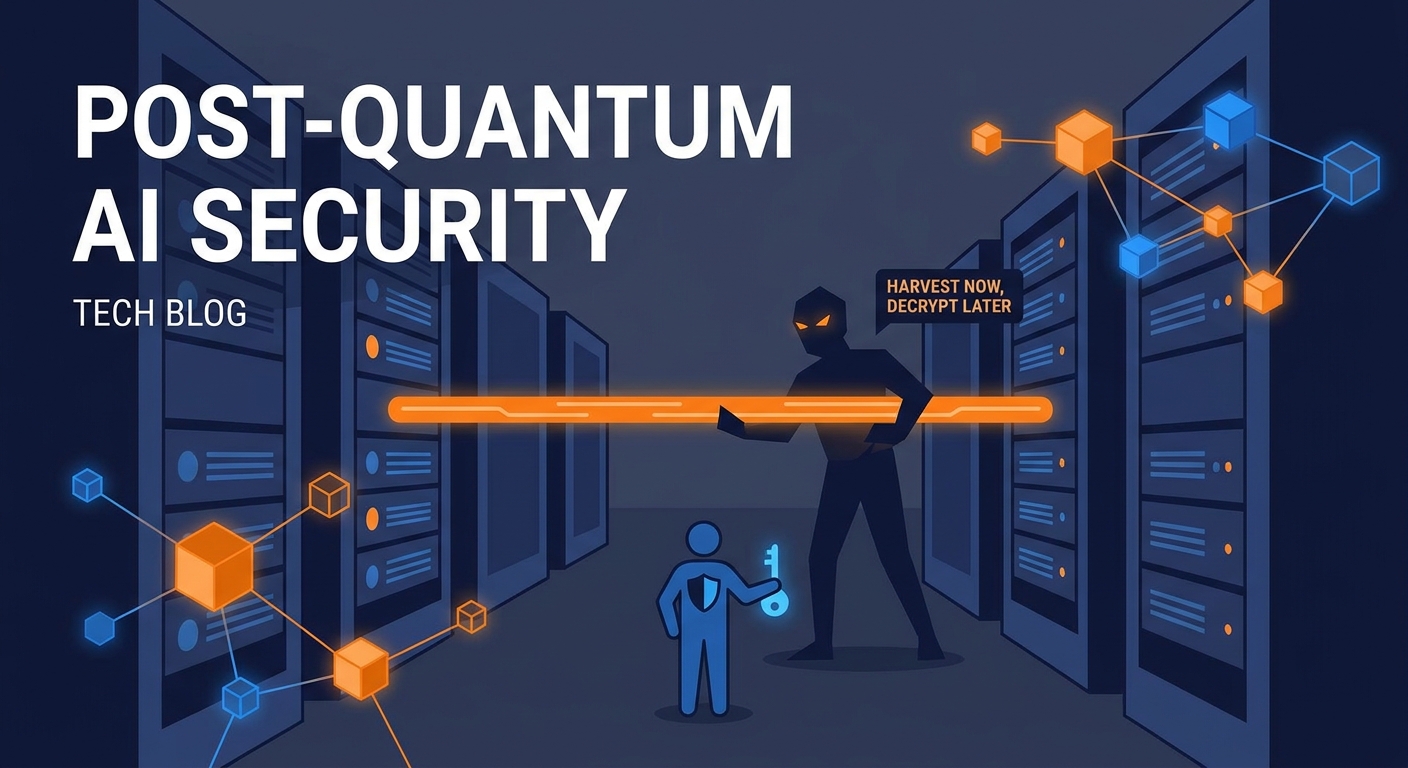
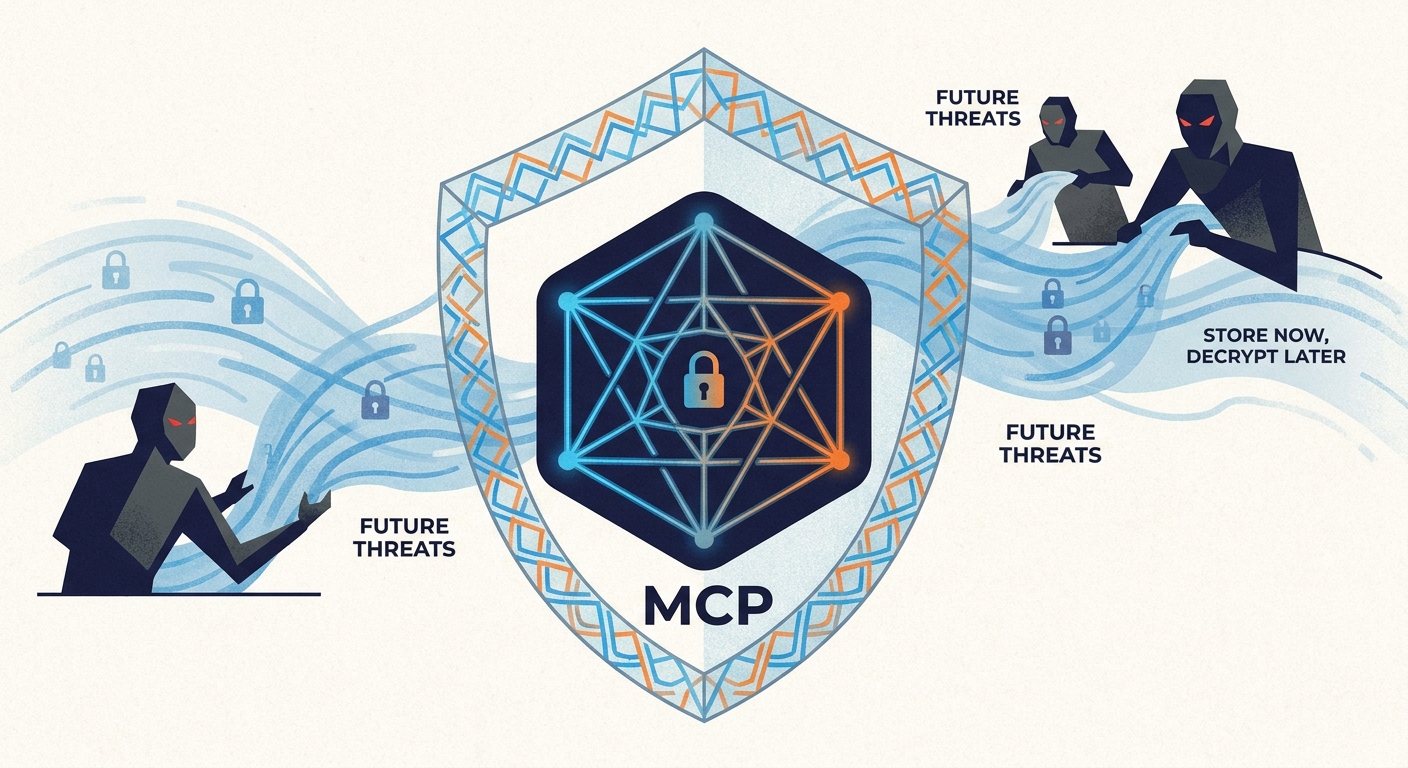
By 2026, the "Store Now, Decrypt Later" (SNDL) strategy won’t be some paranoid fantasy discussed in dark corners of cryptography forums. It will be the standard operating procedure for state-sponsored actors and corporate spies. If you’re shipping proprietary model weights or high-value training data over standard TLS today, you’re basically handing your competitive advantage to anyone with a data-hoarding server.
To survive this, engineering teams need to get serious about the 2026 Roadmap to Post-Quantum AI Infrastructure Security. We need to pivot to quantum-resistant standards without turning our agile MCP workflows into a sluggish, unusable mess.
The Agentic Shift and the Quantum Shadow
We are living through a massive shift in software architecture. MCP is the connective tissue here, letting agents query databases and run code with almost zero friction. It’s brilliant. It’s fast. And it’s a security nightmare.
Because MCP is so dynamic—constantly negotiating schemas and moving data in real-time—it creates a massive footprint for interception. When you use classical TLS, you’re betting on math problems that quantum processors are about to solve for fun. Adversaries are already scraping enterprise AI traffic. They don't need to break your encryption today. They just need to keep that data on ice until the hardware catches up. This is the "Quantum Shadow." If your agents are moving sensitive context, you’re essentially leaving your blueprints in a public locker, just waiting for someone to forge the key.
Why is MCP Uniquely Vulnerable to Quantum Threats?
MCP relies on a JSON-RPC transport layer built for speed, not for surviving the next decade of compute breakthroughs. Think about a standard REST API; it’s usually limited to a few documented endpoints. MCP is different. It’s a living, breathing ecosystem where a server exposes a dynamic schema that an agent discovers on the fly.
This flexibility is exactly why it’s so vulnerable. Because the communication structure is negotiated in real-time, an attacker who grabs the initial handshake and the subsequent packets has a master key to your agent’s capabilities. If you take a look at the Model Context Protocol Documentation, you’ll notice the protocol assumes the transport layer is secure. It doesn't mandate the quantum-resistant rigor we actually need.
Emerging MCP Attack Vectors
The threat landscape here is evolving fast. It’s not just about sniffing packets anymore. We’re seeing a surge in "Schema Manipulation" attacks. Imagine a bad actor compromising an MCP server's metadata to inject a malicious tool definition. Your agent, thinking it’s just doing its job, executes a function that exfiltrates your data or messes with your backend. It’s a "trusted" betrayal.
Then there’s "Cross-Agent Poisoning." If you’ve got a chain of agents on a shared host, a single compromised node becomes a bridge. It poisons the context for every other agent in the workflow. When you combine that with the threat of someone decrypting your historical traffic later, the risk of data loss becomes catastrophic. Once your proprietary training data is out, it’s gone. Your R&D investment? Down the drain.
Implementing Hybrid Cryptography in MCP
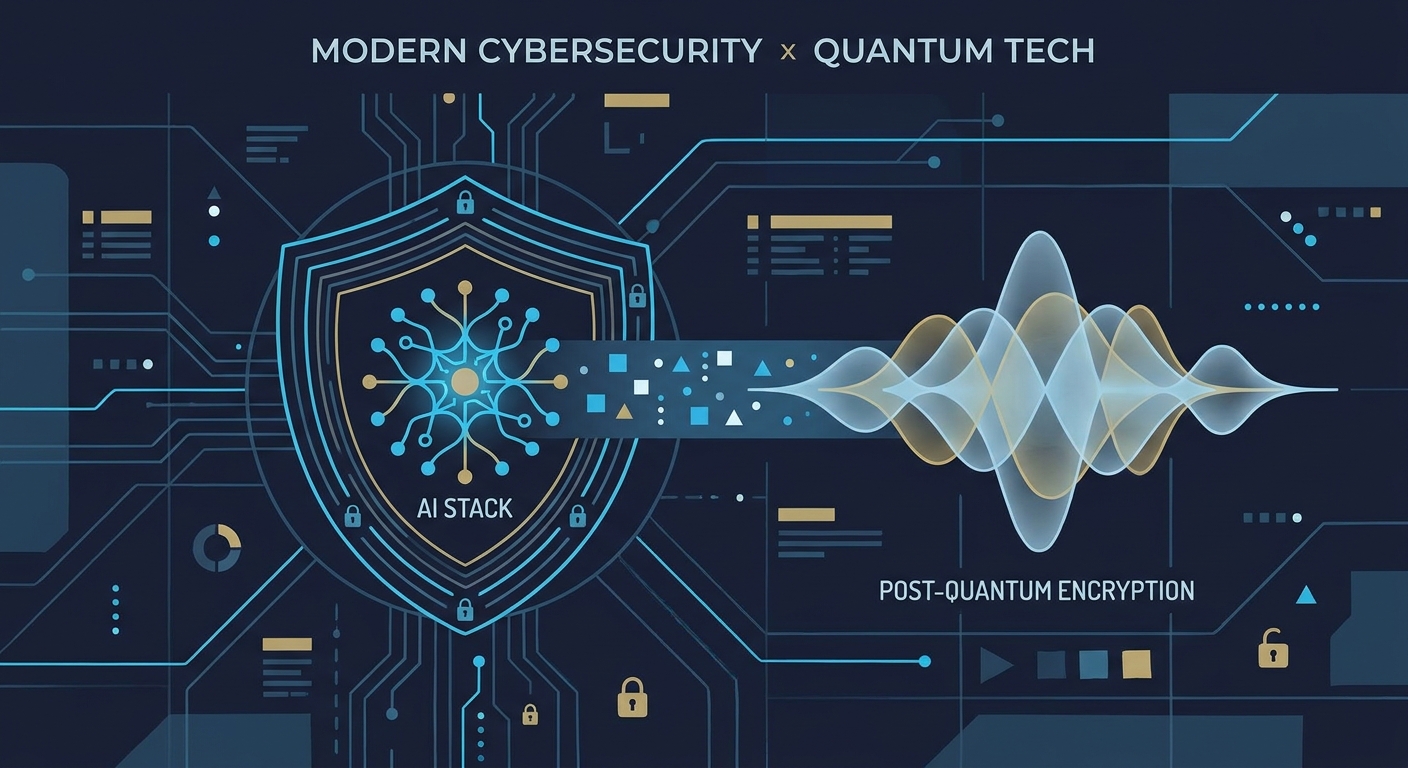
You can’t just flip a switch to quantum-safe encryption. If you break the real-time nature of these agents, you break the product. The answer is a "Hybrid PQC/Classical" approach. By wrapping your existing transport layer with NIST-approved algorithms—check out the NIST Post-Quantum Cryptography Standards—you build a dual-layered defense.
This hybrid model is your insurance policy. If the classical layer gets cracked by a quantum computer, the PQC layer (FIPS 203/204) is still holding the line. It’s not about replacing your stack; it’s about upgrading it so it doesn't crumble when the computational landscape shifts.
Building an Agent-to-Agent Trust Framework
Everyone is obsessed with user-to-agent authentication. That’s fine, but it misses the point. The real hole in 2026 is agent-to-agent verification. As these agents get more autonomous, they need to verify exactly who they’re talking to.
You need a Policy-as-Code framework. You need to enforce rules like "Agent X cannot touch Database Y," regardless of how compromised Agent X might be. For a deep dive on how to structure this, the Post-Quantum AI Infrastructure Security: A 2026 Guide is the gold standard for building identity-bound channels that stay secure no matter what transport you’re using.
Practical Defense: Hardening Your MCP Server
Start with the "mcp-context-protector" pattern. Build a middleware layer that actually inspects and cleans incoming schema definitions. If a definition looks weird, block it. Automate schema audits in your CI/CD pipeline so that any unauthorized change triggers a red alert.
Look at Cloudflare's Post-Quantum Roadmap for inspiration. The secret is incremental deployment. Don't try to boil the ocean. Hardening your edge servers with PQC-ready TLS first, then work your way inward to the internal service-to-service layers. This keeps your workflows fast while tightening the screws.
The Roadmap to Q-Day Preparedness
Security isn't a destination; it's a grind. Here’s your three-phase plan:
- Assessment: You can’t protect what you can’t see. Map out every MCP connection. Categorize them by sensitivity. If it’s sensitive, it needs a target on its back.
- Hybrid Transition: Wrap your sensitive MCP endpoints in PQC. Use FIPS 203/204 to create that hybrid wrapper. Keep it backwards compatible so you don't break your existing tools.
- Full Post-Quantum: As you retire legacy systems, strip out the old classical-only paths. Move toward native PQC integration.
Frequently Asked Questions
Why isn't standard encryption enough to protect my MCP deployments?
Standard encryption, such as classical TLS, relies on mathematical problems that quantum computers are expected to solve efficiently. An attacker can perform a "Store Now, Decrypt Later" attack, capturing your current traffic and waiting until the hardware exists to unlock the data, rendering your current security obsolete.
What is the biggest security risk unique to MCP compared to traditional REST APIs?
The biggest risk is "Schema Manipulation." Because MCP is dynamic and agent-driven, an attacker can trick an agent into interacting with a malicious tool definition, leading to unauthorized data access or unintended function execution, which is significantly more complex than standard API endpoint probing.
Does implementing PQC break my existing AI agents or tool connections?
Not if you use a hybrid approach. By maintaining a classical encryption layer alongside the PQC layer, you ensure that older clients can still communicate while newer, quantum-aware clients can negotiate a higher level of security.
How does "Schema Manipulation" impact agent integrity in a production environment?
It erodes the "source of truth." When an agent blindly trusts a compromised schema, it effectively grants the attacker control over the agent's decision-making capabilities, allowing for data exfiltration or the manipulation of backend database states.
What is the primary mandate for AI developers under the 2026 Post-Quantum Executive Orders?
The mandate requires organizations to inventory all cryptographic assets and transition critical infrastructure to quantum-resistant standards. For AI developers, this means ensuring that communication protocols—especially those facilitating agentic interoperability—are compliant with current NIST PQC algorithm recommendations.