Quantum Cryptography Market Analysis Highlights Strategic Shift Toward Enterprise Quantum-Resistant Encryption Adoption

TL;DR
- CRQC threats make current RSA and ECC encryption obsolete by 2028.
- State actors are using 'Store Now, Decrypt Later' to harvest sensitive data.
- Transitioning to PQC requires massive architectural overhauls and hardware upgrades.
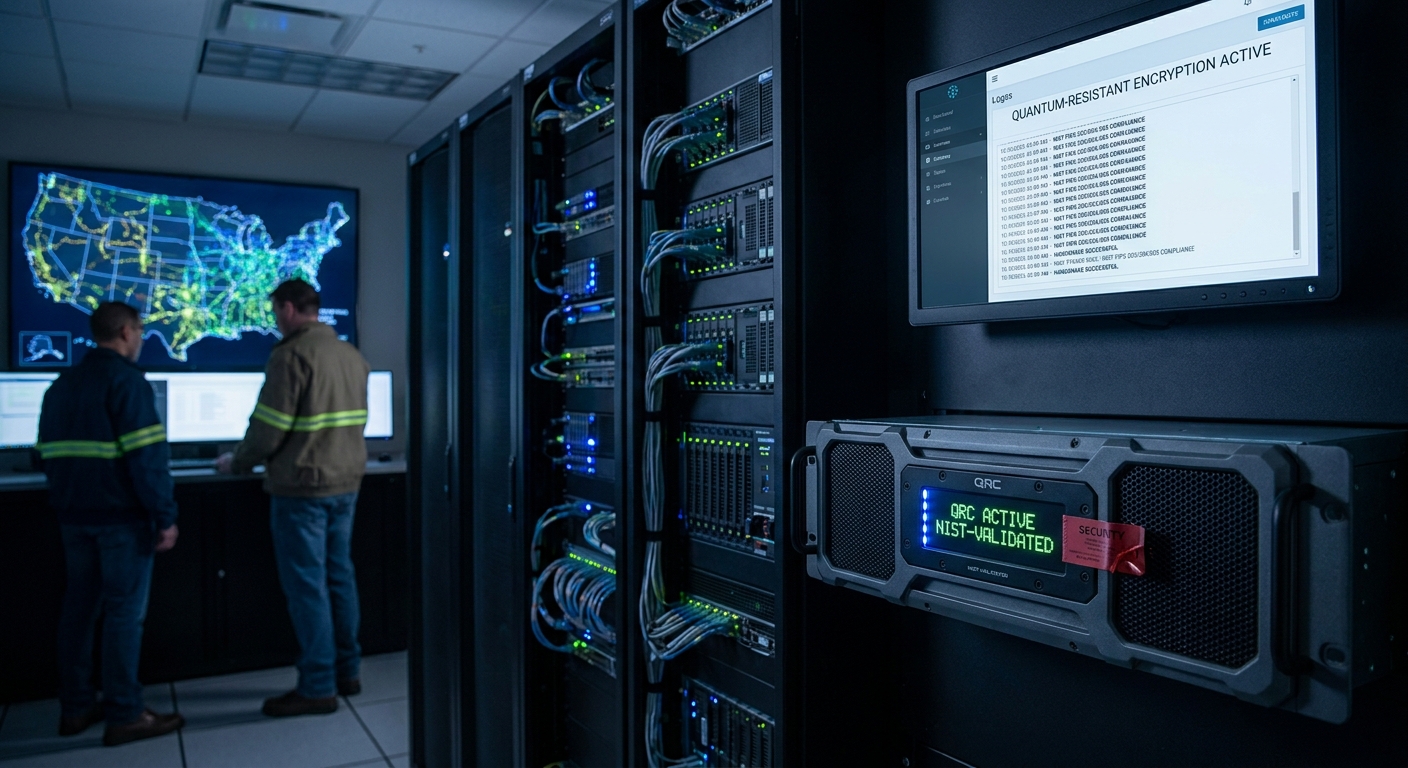
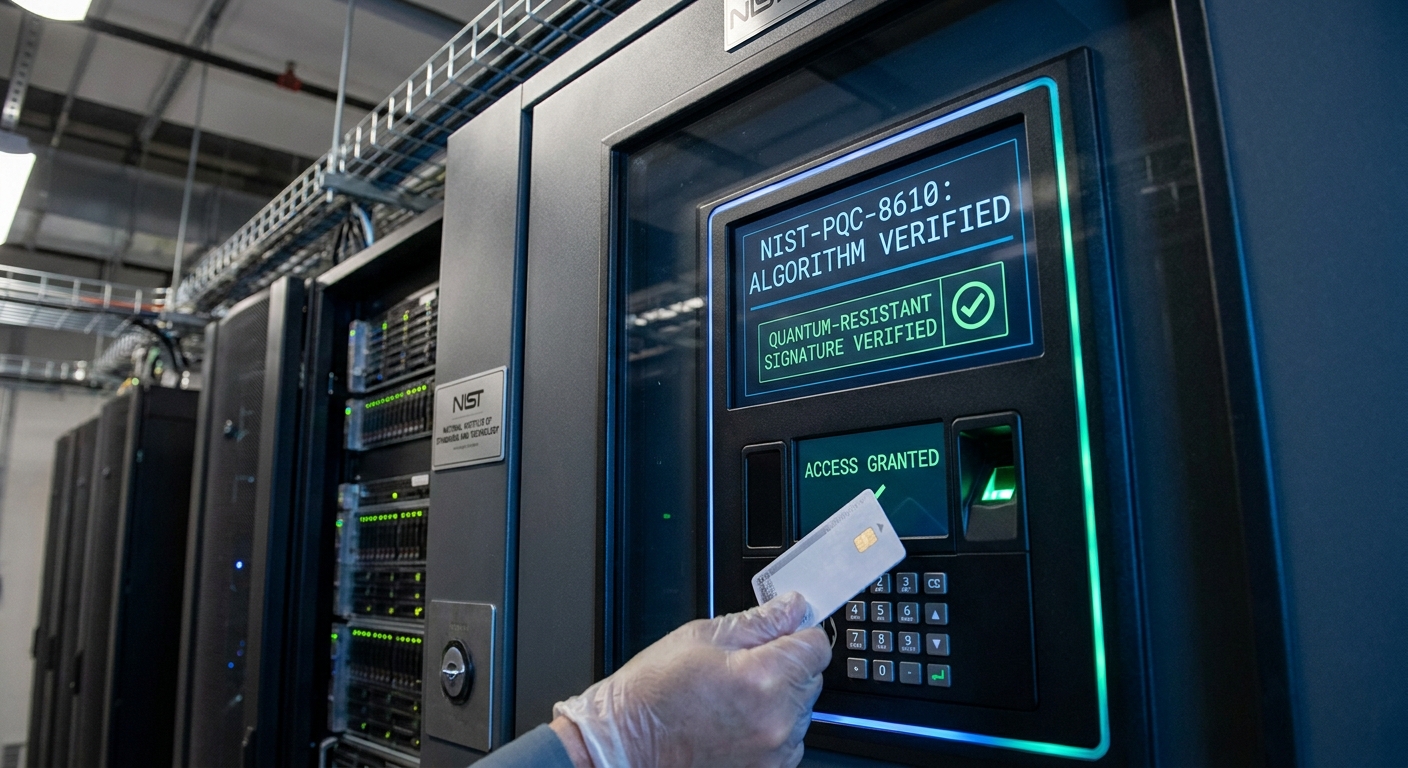
- NIST standards are driving immediate supply chain security mandates for enterprises.
The Quantum Clock is Ticking: Why Enterprises are Scrambling to Future-Proof Encryption
The cybersecurity world is having a collective panic attack, and for good reason. For years, the threat of a "Cryptographically Relevant Quantum Computer" (CRQC) felt like a sci-fi plot—something for our grandchildren to worry about. Not anymore. The timeline has pulled forward aggressively, with experts now pinning the arrival of machines capable of shattering modern encryption to the 2028–2030 window.
That’s not a decade away. That’s tomorrow, in enterprise-infrastructure time.
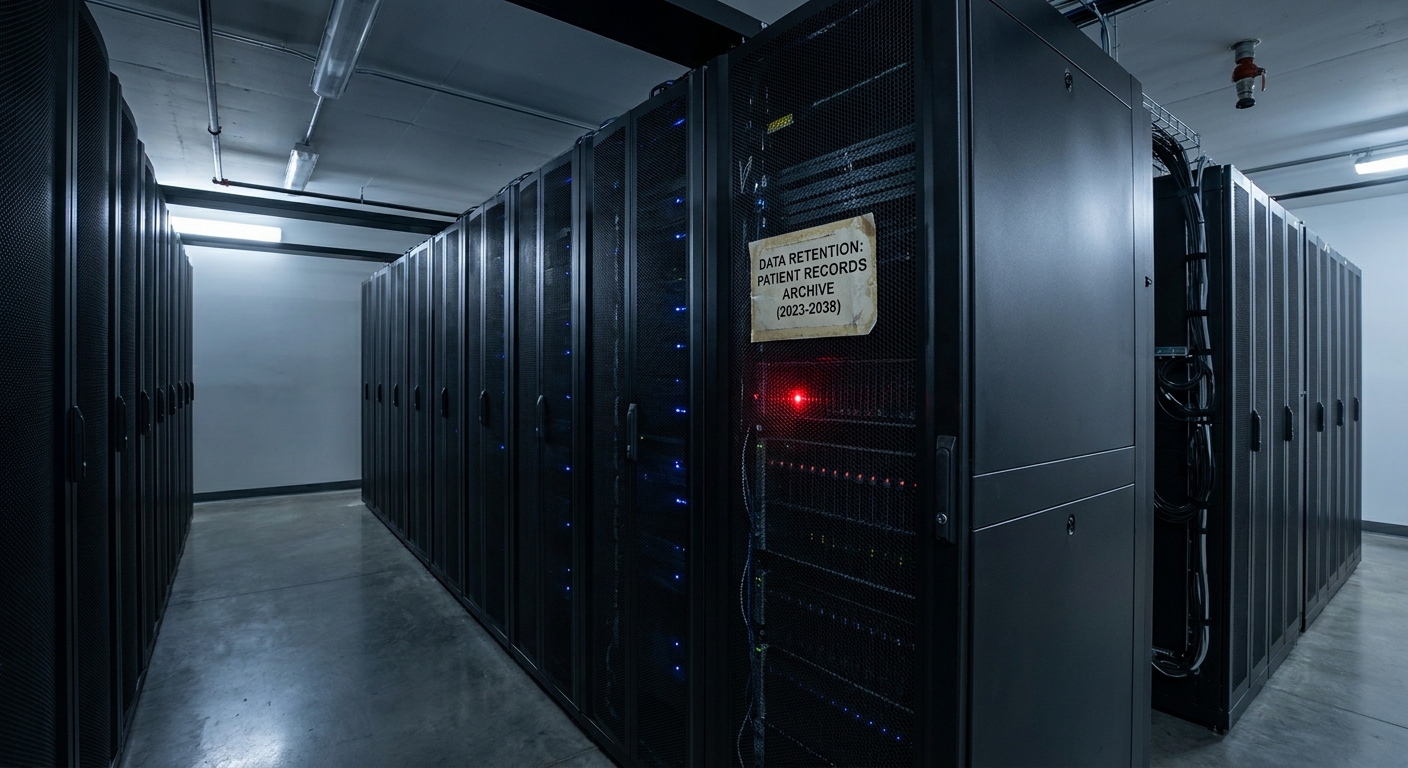
The panic isn't just about the future; it’s about the "Store Now, Decrypt Later" (SNDL) reality. Adversaries are currently vacuuming up massive amounts of encrypted data, tucking it away in cold storage like digital squirrels. They don't need to break your encryption today. They just need to hold onto your trade secrets, financial records, and healthcare data until the hardware catches up. By the time they hit "decrypt," the damage will be catastrophic. For any organization holding data with a shelf life longer than five years, this isn't a theoretical risk. It’s a ticking time bomb.
Why Our Current Locks are Failing
We’ve built the modern internet on RSA and Elliptic Curve Cryptography (ECC). These protocols are essentially complex math puzzles that take classical computers an eternity to solve. But quantum computers don't play by the same rules. Thanks to Shor’s algorithm, a sufficiently powerful quantum machine could slice through these puzzles like a hot knife through butter.
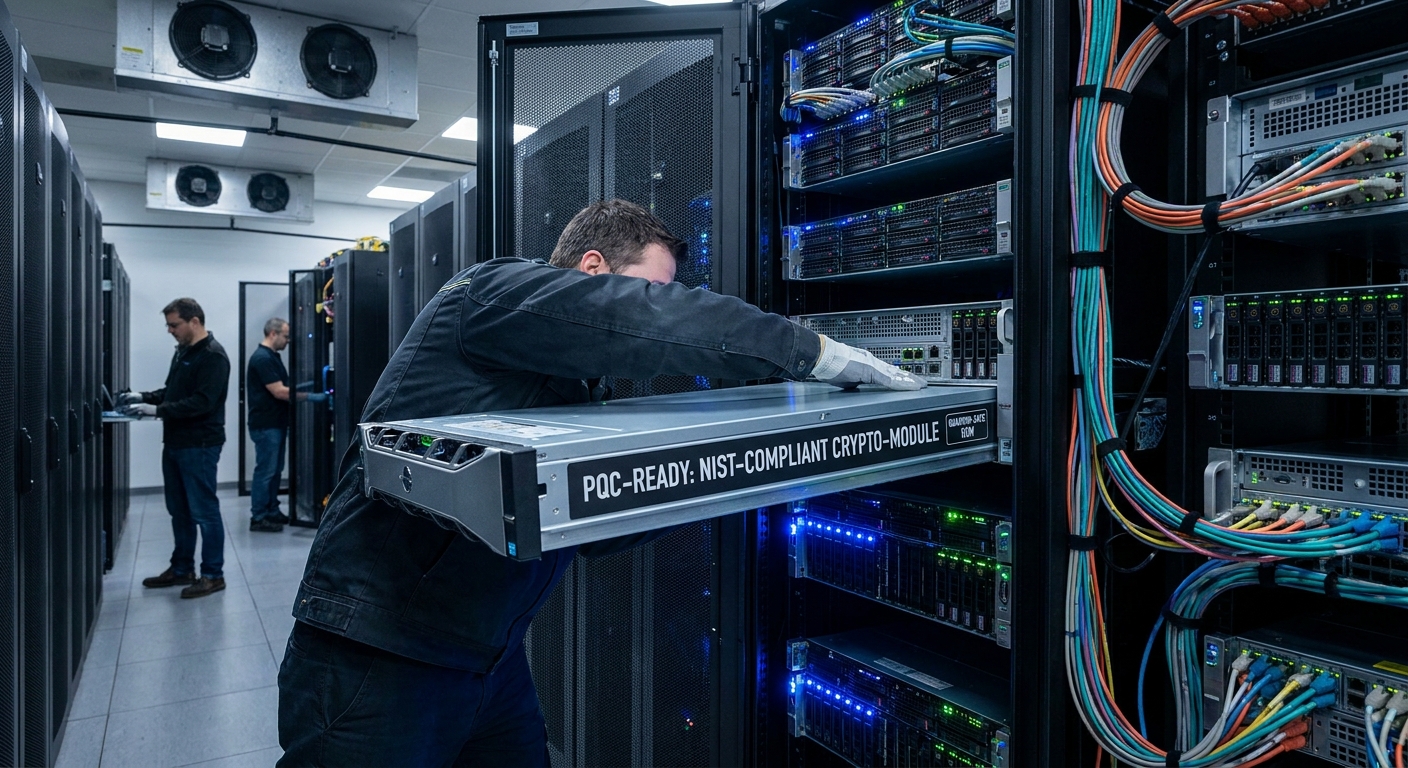
Moving to Post-Quantum Cryptography (PQC) isn't as simple as hitting "Update" on your browser. It’s a total architectural overhaul. It’s like trying to swap the engines on a jet while it’s mid-flight. Consider the hurdles:
- Hardware Security Modules (HSMs): Your current gear likely lacks the memory and raw processing grunt to handle the heavier, more complex PQC algorithms.
- Certificate Bloat: Post-quantum signatures are bulky—often 5 to 10 times larger than what we use today. This forces a complete rethink of network protocols and storage limits.
- Supply Chain Chaos: It’s not enough for you to be ready. You need your vendors, your partners, and your software stack to be on the same page, all while adhering to the latest NIST standards.
For the engineers in the trenches, it’s a steep learning curve. If you’re looking to get your hands dirty, Qiskit and Cirq are the go-to sandboxes for testing quantum logic, while AWS Braket allows you to actually run code on real quantum hardware.
The Economics of Paranoia
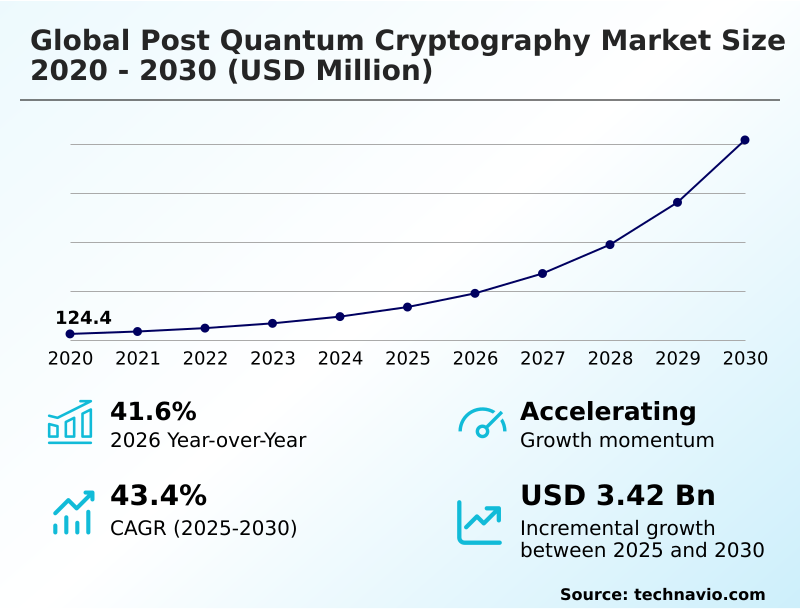
The market is reacting to this existential threat with a massive influx of capital. We’re looking at a projected growth of USD 3.42 billion between 2025 and 2030, a staggering 43.4% CAGR. North America is leading the charge, holding 40.3% of the market growth as major firms scramble to protect their intellectual property.
| Market Segment | Primary Focus |
|---|---|
| Lattice-based Cryptography | The heavy-lifting, quantum-resistant math. |
| Software Solutions | The biggest slice of the pie; integrating PQC into existing stacks. |
| Hardware Components | The expensive reality of upgrading HSMs and firmware. |
| Consulting/Services | Holding the hands of enterprises trying not to break their own networks. |
As noted in the IEEE Computer Society's analysis, we’re currently in a "hybrid" phase. Security teams are layering quantum-resistant models on top of classical systems. It’s a bridge, not a permanent solution, but it’s the only way to keep the lights on while we transition.
The Human Bottleneck
Here is the kicker: there are fewer than 15,000 people on the planet who actually understand both quantum physics and cybersecurity. That’s it. We have a massive talent drought at the exact moment we need a flood of expertise.
So, what should an organization do?
- Audit ruthlessly: Figure out what data actually needs to be secret for the next decade. Not everything needs the same level of protection.
- Go hybrid: Don't abandon classical encryption overnight. Use hybrid schemes that combine the old and the new.
- Plan the lifecycle: Start mapping out which hardware needs to be retired and when.
The "harvest now, decrypt later" threat isn't coming; it’s already here. The adversaries are betting that your data will still be worth the effort in five years. The question is, are you betting on the same thing? The transition to quantum-resistant architecture isn't just a technical upgrade—it’s a survival strategy. The companies that survive the next decade will be the ones that stop waiting for the quantum future and start building for it today.