Gorilla and Chelpis Partner to Accelerate Enterprise Adoption of NIST-Compliant Quantum-Resistant Cryptography

TL;DR
- Gorilla Technology and Chelpis partner to integrate quantum-safe tech into SD-WAN.
- Partnership addresses "harvest now, decrypt later" risks for enterprise data.
- Integration utilizes NIST-validated FIPS 203, 204, and 205 standards.
- Solution secures critical infrastructure, banking, and government communications.
The clock is ticking on digital security, and the threat isn't just theoretical anymore. Gorilla Technology Group (NASDAQ: GRRR) has officially joined forces with CHELPIS Quantum Corporation, signing a memorandum of understanding to bake post-quantum cryptography (PQC) directly into their SD-WAN platform.
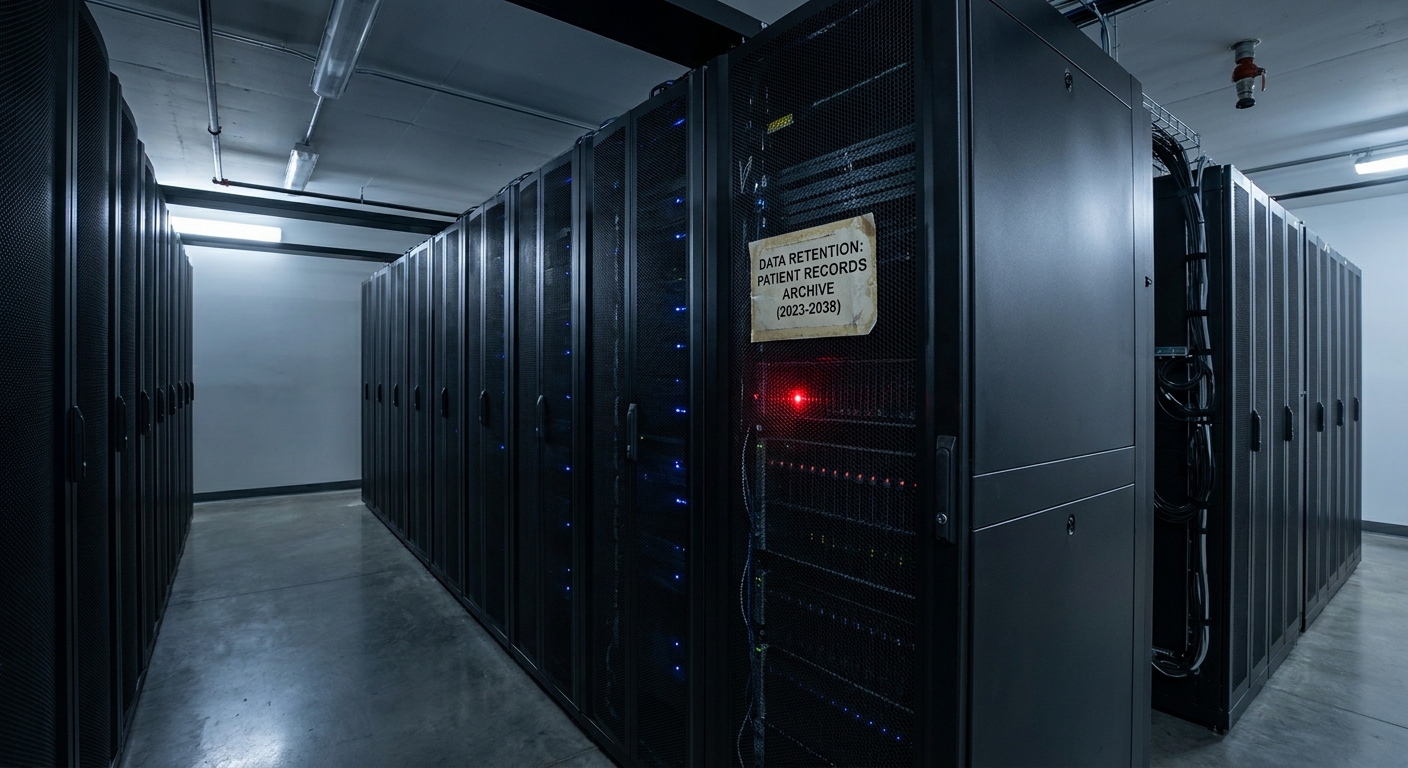
Why the urgency? It’s all about the "harvest now, decrypt later" game. Cyber-adversaries are currently scraping encrypted data, banking on the fact that they’ll be able to crack it wide open once quantum computing matures. By integrating the CHELPIS CPQC software development kit (SDK) into Gorilla Technology's Intelligent Network Director, the two companies are building a firewall against that future reality for government, banking, and critical infrastructure.
The Quantum Threat: A Reality Check
Most of our modern digital life—from banking apps to state secrets—relies on encryption methods like RSA and ECC. They’ve served us well, but they have a fatal flaw: they aren't built to withstand the sheer processing power of quantum hardware. The "harvest now, decrypt later" strategy is a long-con, but it’s a terrifyingly effective one. If you can store the data today, you’re just waiting for the key to be forged tomorrow.
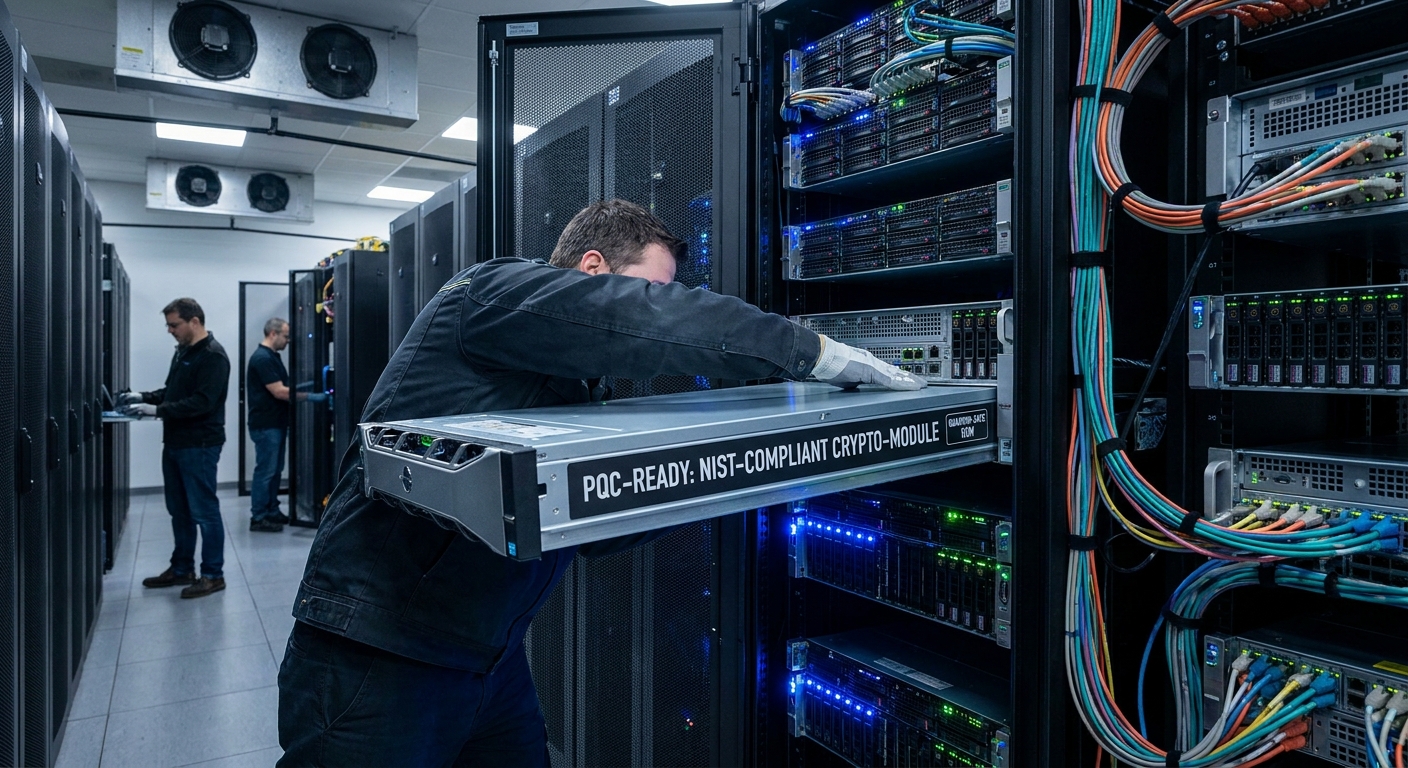
The partnership centers on NIST-validated standards, which are essentially the gold standard for quantum-resistant defense. By weaving the CPQC SDK into the existing SD-WAN platform, the goal is to make quantum-safe communication the default, not an expensive, complicated add-on.
The Technical Heavy Lifting
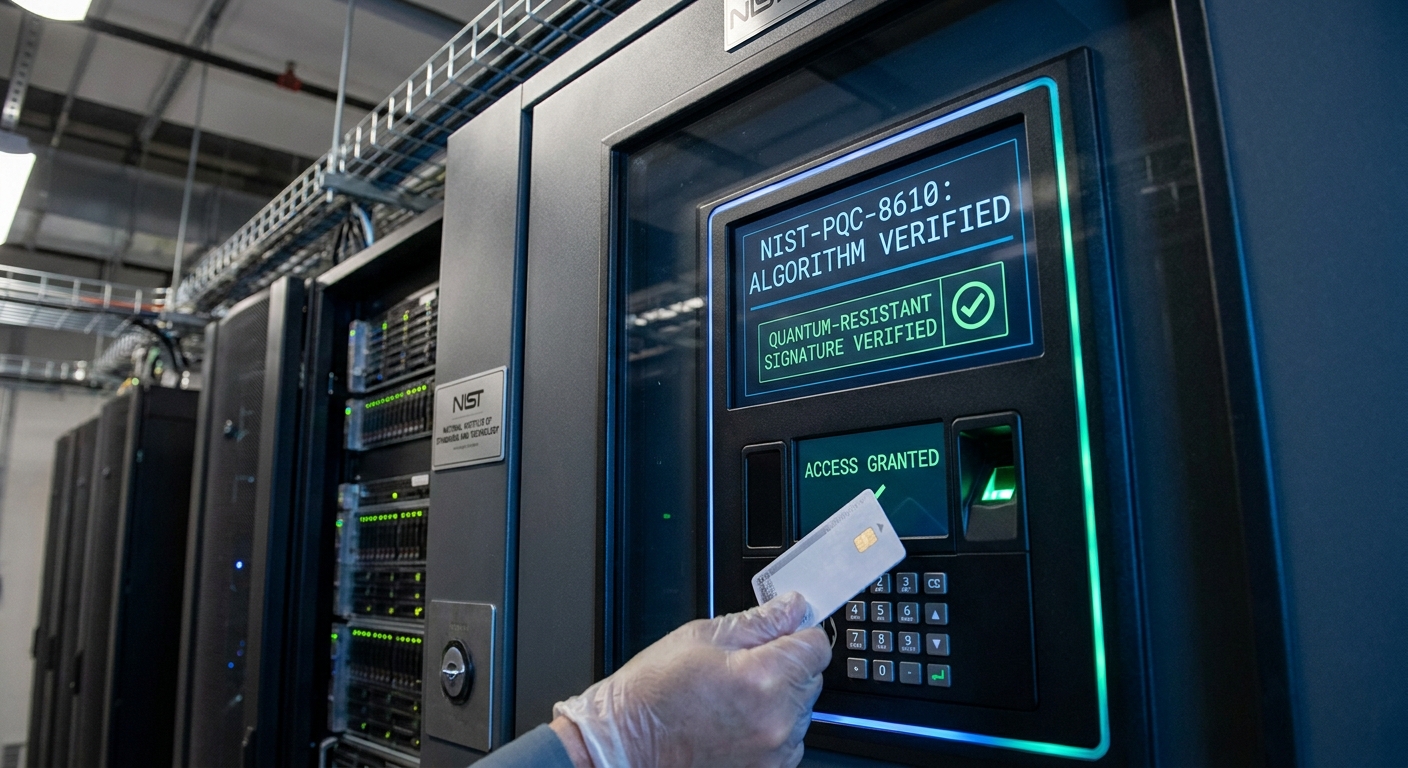
At the heart of this integration is the CHELPIS CPQC library, which supports FIPS 203, 204, and 205. These aren't just acronyms; they are the benchmarks set by the National Institute of Standards and Technology to keep data safe from quantum-based cryptanalysis.
| Component | Functionality |
|---|---|
| CPQC SDK | The engine room for quantum-safe cryptographic integration. |
| PQScan | Scans for vulnerabilities that quantum computers could exploit. |
| PQTunnel | Creates secure, quantum-resistant pathways for data in transit. |
| PQRP | Quantum-resistant routing protocols to keep traffic secure. |
| PQStorage | Hardens data-at-rest against future decryption attempts. |
Since the agreement was inked in May 2026, Gorilla has secured global resale rights for the full CHELPIS suite. It’s a strategic move that puts high-end security tools into the hands of organizations where data sovereignty isn't just a buzzword—it’s a requirement.
Market Realities and Strategic Goals
The post-quantum cryptography market is exploding. Analysts are looking at a sector set to top $10 billion by the early 2030s, with a 35% annual growth rate. It’s not just hype; it’s a necessary pivot for survival.
By linking with CHELPIS, Gorilla is positioning itself to lead in four key areas:
- Sovereign Infrastructure Protection: Keeping state-sponsored actors out of government networks.
- Financial Sector Hardening: Shielding long-term financial records from future decryption.
- Critical Infrastructure Resilience: Protecting the power grids and telecom networks that keep society running.
- Global Scalability: Using existing network footprints to deploy these upgrades rapidly across borders.
Operational Reality: Making it Work
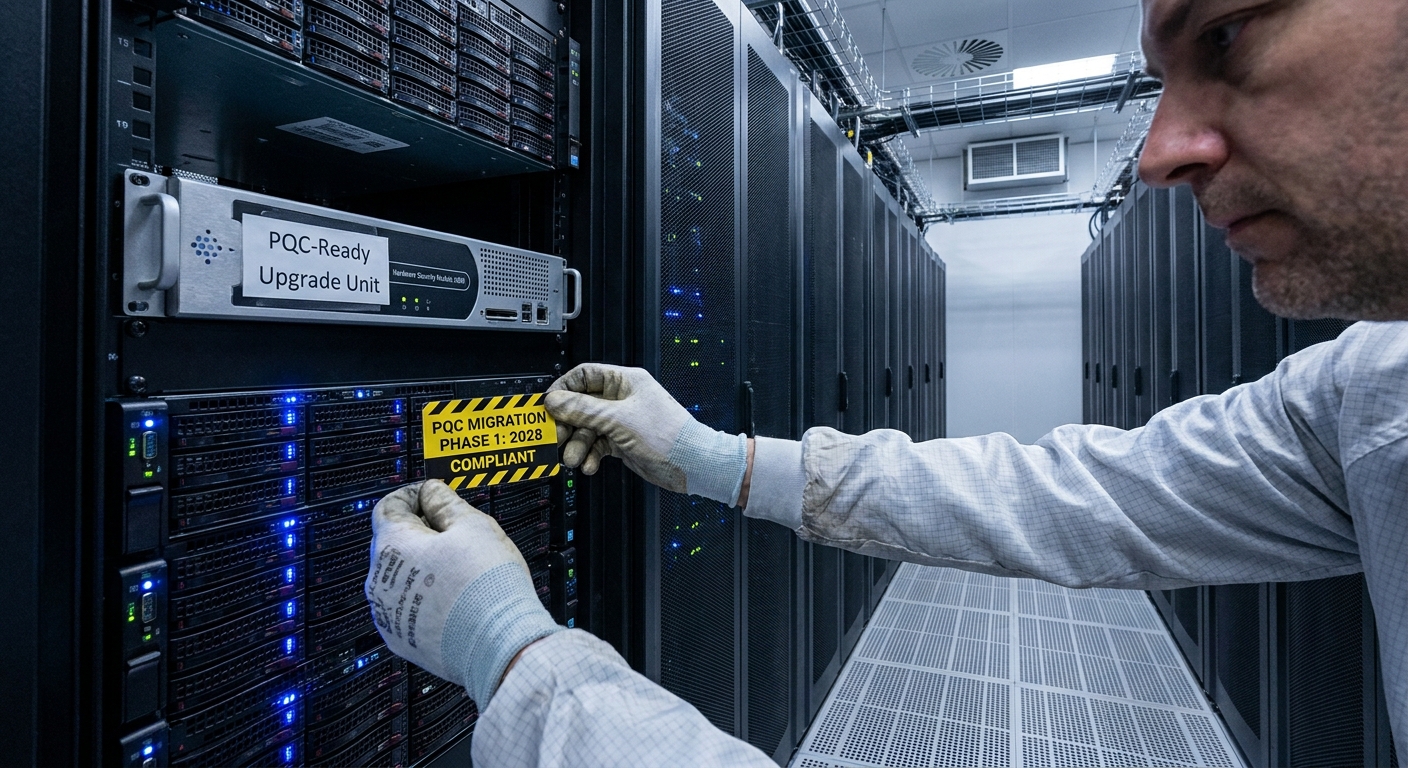
The brilliance of this integration lies in its simplicity. By embedding the CHELPIS SDK directly into the Intelligent Network Director, the technical barrier to entry drops significantly. Enterprises don't need to rip and replace their entire network architecture; they just need to upgrade their security layer.
The strategy is a phased, pragmatic transition. Not every piece of data needs the same level of protection, but long-lived data—the kind that needs to stay secret for decades—is the priority. PQTunnel and PQStorage are the first line of defense here, providing immediate protection while the rest of the ecosystem catches up.
As we move through the rest of the decade, the collaboration between Gorilla and Chelpis acts as a bridge. It’s about taking the complex, intimidating math of quantum resistance and turning it into a deployable, compliant, and—most importantly—functional reality. For sectors like defense and banking, where compliance is non-negotiable, this alignment with NIST standards is the difference between being prepared and being exposed. The arrival of cryptographically relevant quantum computers is inevitable, but for those using these tools, the threat is no longer a catastrophe waiting to happen. It’s just another challenge, handled.