Why Your AI Intrusion Detection System Needs Quantum-Proof Cryptography Now

TL;DR
- ✓ Traditional encryption is vulnerable to Harvest-Now Decrypt-Later quantum attacks.
- ✓ Your sensitive AI training data is at risk of future decryption today.
- ✓ Quantum-proof cryptography is essential to secure modern AI infrastructure immediately.
- ✓ Current intrusion detection systems remain blind to emerging quantum-based threats.
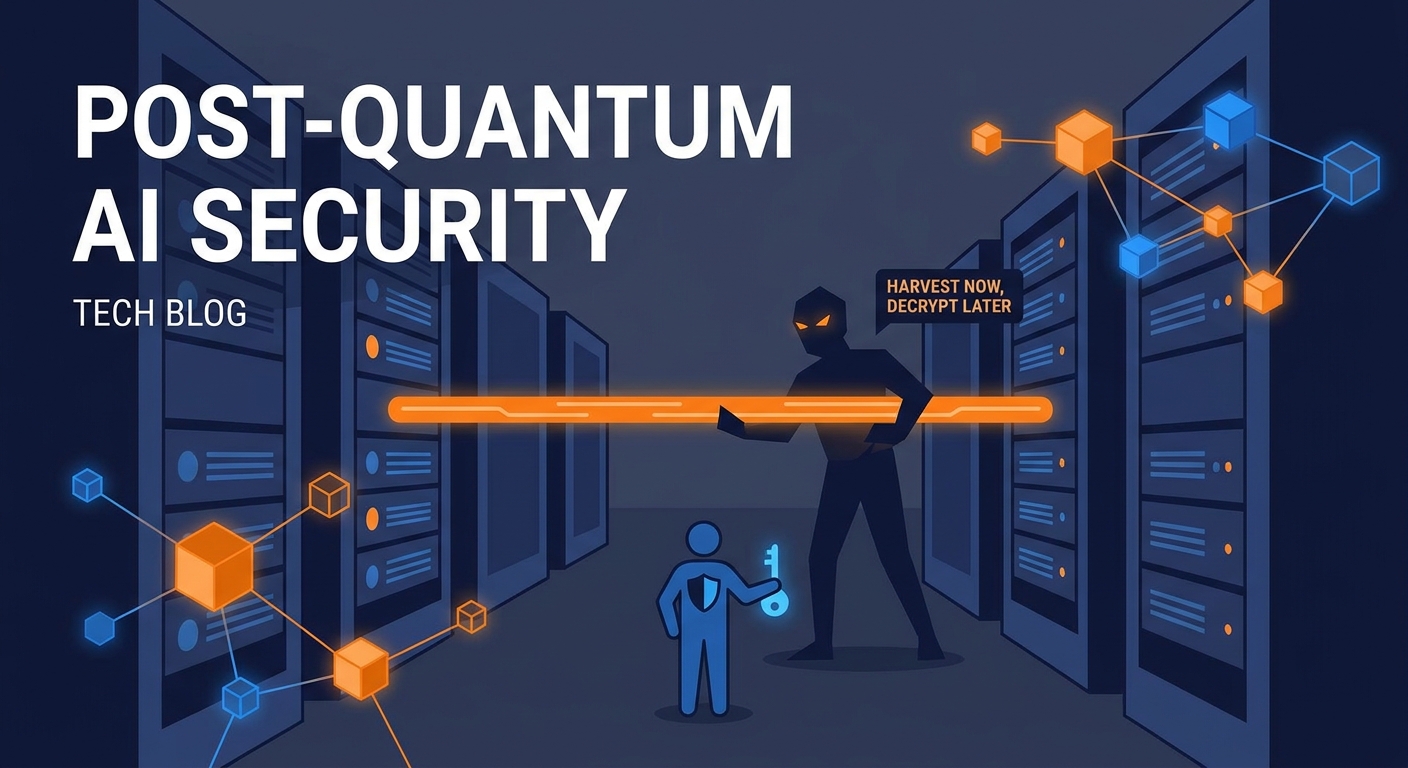
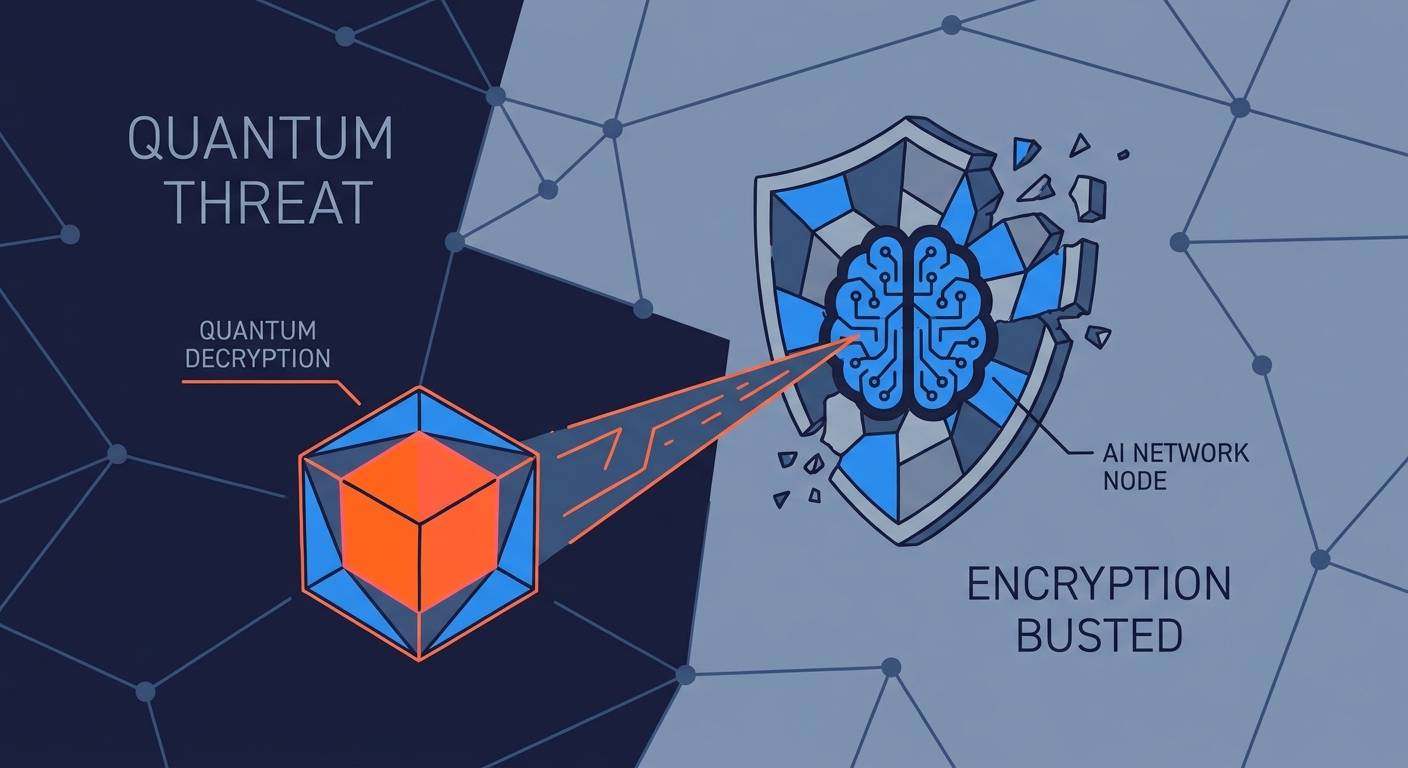
If you’re sleeping soundly because you think your AI Intrusion Detection System (IDS) is buttoned up, wake up. You’re operating on a dangerous assumption: that your encryption is forever. It isn’t. Right now, the walls protecting your proprietary models and sensitive training data are paper-thin against a strategy called "Harvest-Now, Decrypt-Later" (HNDL).
Here’s the reality: bad actors are already vacuuming up your encrypted traffic. They’re hoarding it in digital silos, waiting for the day cryptographically relevant quantum computers (CRQCs) go live. By the time you realize your intellectual property has been gutted, the theft will be years old. Integrating quantum-proof cryptography isn't some academic "nice-to-have" for the 2030s. It’s an immediate, mission-critical requirement to keep your AI’s "brain" and its communication lines secure.
Why Your AI Intrusion Detection System is Currently "Quantum-Blind"
Most modern security stacks are built on the back of RSA and Elliptic Curve Cryptography (ECC). These are the pillars of the internet. They’ve served us well, but they have a fatal flaw: they’re mathematically fragile when faced with Shor’s algorithm—a quantum process that can tear through these calculations like a hot knife through butter.
Your IDS is currently "quantum-blind." It assumes the ground beneath it—the transport layer—is solid. It monitors packets and flags anomalies, all while relying on a handshake process that a powerful quantum machine could dismantle in seconds. We’re in a "Window of Vulnerability." Even if full-scale quantum hardware is still on the horizon, the shelf-life of your training data (your trade secrets, your fine-tuning recipes, your sensitive user inputs) often stretches into the next decade. That data is already at risk.
The "Harvest-Now, Decrypt-Later" (HNDL) Risk
The HNDL attack is the single biggest threat to any company trying to maintain an AI-driven edge. As noted in the CISA Quantum Fact Sheet, adversaries aren't waiting for a quantum computer to exist to start their work; they’re building the archives today to exploit them tomorrow.
For an AI enterprise, your model weights and fine-tuning datasets are your "moat." If these are intercepted, the barrier to entry you’ve spent millions building evaporates the second a quantum computer comes online. It’s the perfect, silent crime. No dashboard alerts. No CPU spikes. No suspicious traffic. Your data is just copied, locked in a digital vault, and left to wait for the decryption key of the future.
Beyond Encryption: The Threat of Quantum Forgery
Security pros usually obsess over confidentiality, but model integrity is just as fragile. Enter quantum forgery. If an attacker can forge digital signatures on your model updates or software packages, they can poison your entire AI pipeline.
Imagine an attacker bypassing your signature verification to push a backdoored update to your inference engine. Your IDS will see it as a legitimate patch from your CI/CD pipeline, but the "brain" of your agent is now running compromised code—leaking data or spitting out biased, harmful outputs on command. This is especially terrifying for Agentic AI, where autonomous systems use the Model Context Protocol (MCP) to talk to other services. If the channel between these agents is susceptible to a Man-in-the-Middle (MitM) quantum attack, your entire autonomous ecosystem is a house of cards. To stay ahead, engineers need to look at the NIST Post-Quantum Cryptography Standardization. It’s the only real roadmap we have for robust, quantum-resistant algorithms (FIPS 203, 204, and 205).
The Strategic Migration: Embracing Cryptographic Agility
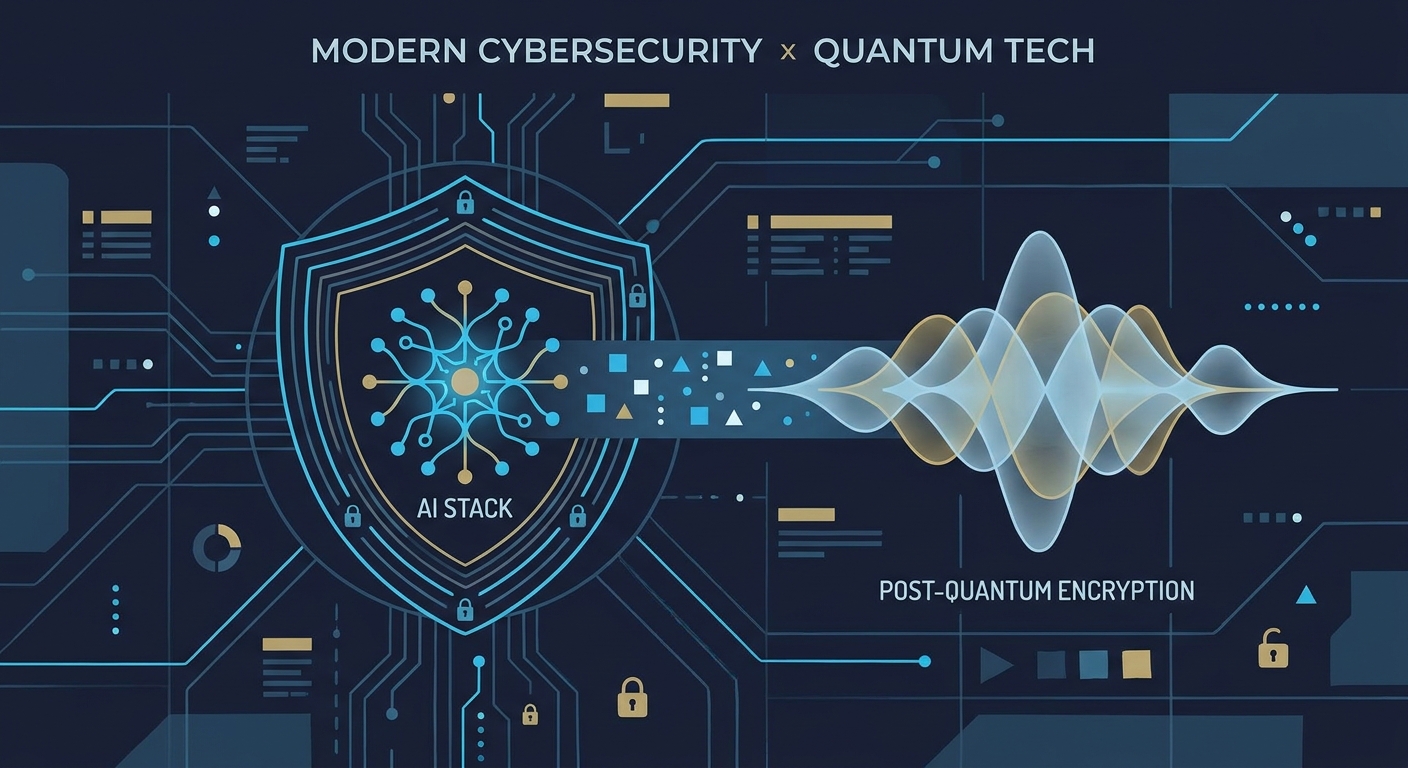
The transition to quantum-safe security isn't necessarily a "rip-and-replace" nightmare. That’s a myth. The smart money is on a hybrid approach. By layering classical AES-256 encryption with PQC algorithms, you satisfy current compliance standards while wrapping your data in a quantum-resistant shell.
This hybrid model buys you time. You don’t need to tear your stack down tonight. You focus on cryptographic agility—the ability to swap out algorithms as the threat landscape shifts, without re-engineering your entire architecture. For organizations looking to bridge this gap, Gopher Security offers guidance on Quantum-Resistant Algorithms for AI Infrastructure, providing a framework for implementing these dual-layer handshakes within existing AI pipelines.
The Quantum-Readiness Checklist for AI Engineers
If you’re feeling overwhelmed, don't be. Here’s a four-step roadmap to fortify your house:
- Inventory: Audit your pipelines. Which models and datasets are the "crown jewels"? Which ones have the longest shelf-life? Start there.
- Assessment: Map your current public-key implementations. Find every single RSA or ECC instance securing your model endpoints or agent APIs.
- Pilot: Implement PQC in a low-risk, non-production environment. Check the CISA Post-Quantum Readiness Guide to make sure your pilot aligns with federal standards.
- Governance: Build for agility. Ensure your teams are using libraries that support FIPS 203, 204, and 205, so you can swap out algorithms as the dust settles on new standards.
Securing the AI Pipeline
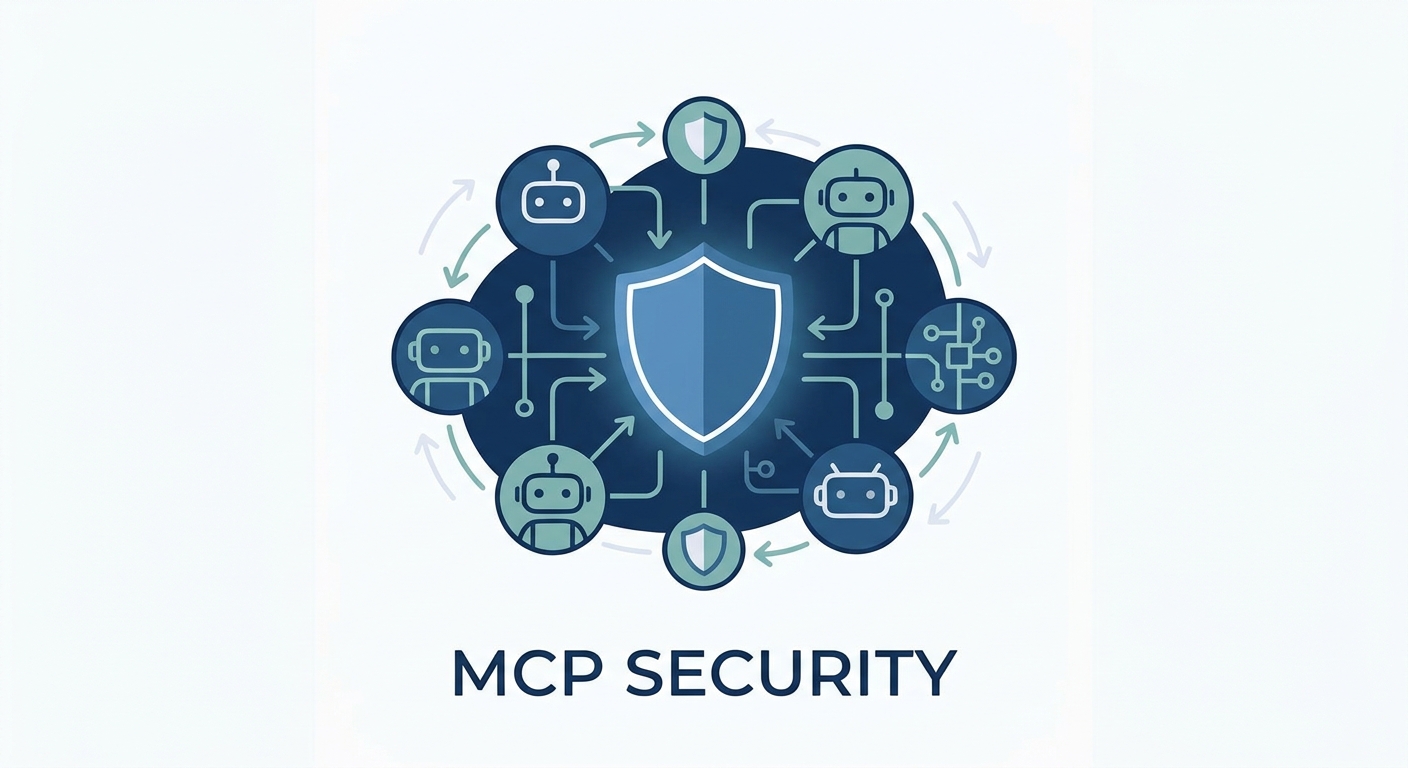
The Model Context Protocol (MCP) is the new frontier for security architects. Because MCP acts as the connective tissue for agents, it’s a high-value target for interception. By implementing granular policy enforcement, you ensure that even if an attacker snags a packet, they can't decipher the context or inject malicious instructions.
Gopher Security provides AI Infrastructure Security Services that act as the "glue" in this process. By integrating these services, you can enforce quantum-resistant policies across your infrastructure without having to manually manage the headache of PQC implementation. It lets your team focus on building the next big thing, while your security layer handles the quantum mess.
Frequently Asked Questions
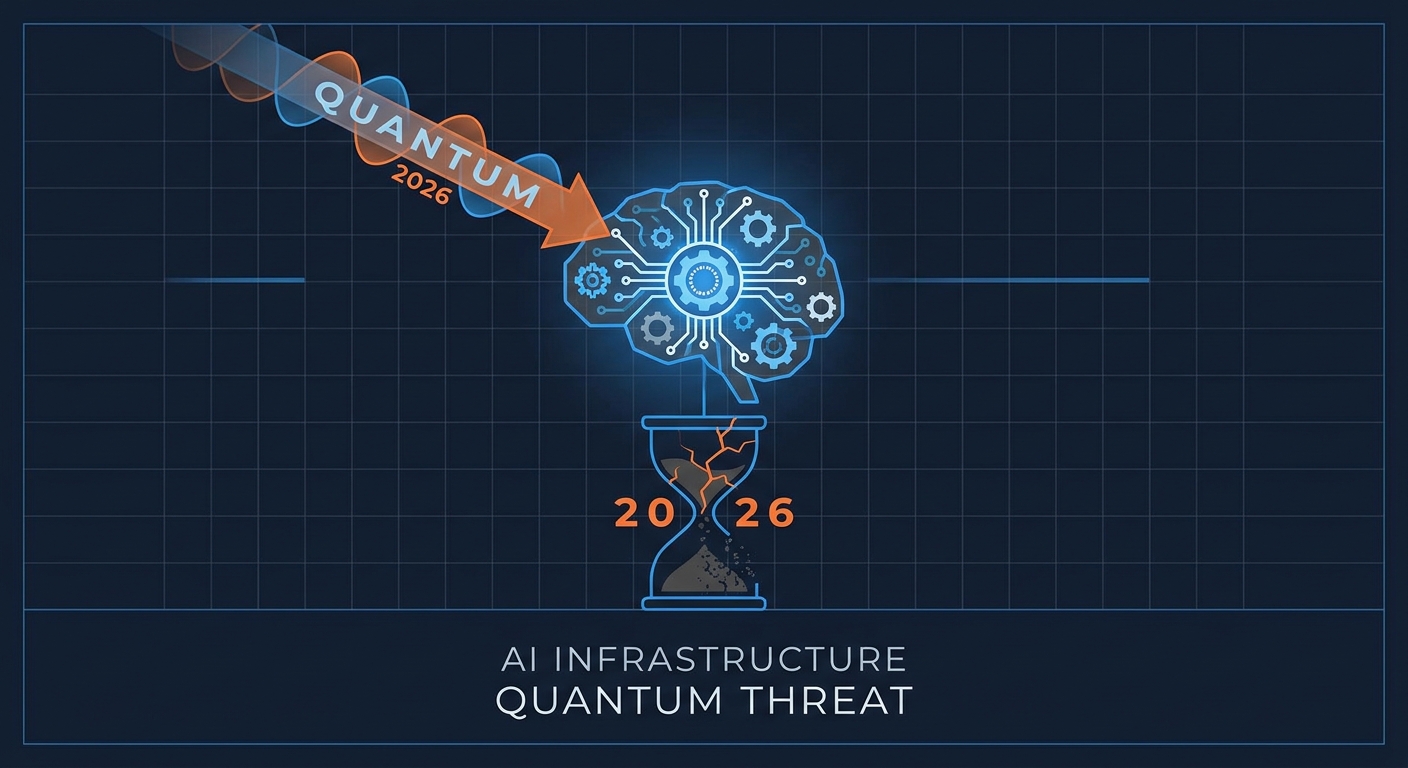
Is Q-Day really happening in 2026?
"Q-Day" is a moving target. But the real threat isn't a specific date—it's the HNDL attacks happening right now. If your data needs to remain secret for years, you’re already behind.
Why does my AI IDS need PQC if the model itself is public?
Because your training data, proprietary fine-tuning methods, and the communication channels between your agents aren't public. Protecting these prevents attackers from poisoning your model or stealing your competitive edge.
Can I just wait for my cloud provider to fix this for me?
Not entirely. You’re under a "Shared Responsibility Model." Your provider secures the plumbing, but you’re responsible for the integrity of your own model deployments and API communications.
What are the immediate performance trade-offs of switching to quantum-proof algorithms?
PQC algorithms can have larger key sizes and different overheads than RSA/ECC. However, with modern hardware, the latency hit for most AI inference is negligible compared to the existential risk of total data compromise.
How does PQC affect the latency of real-time AI intrusion detection?
Hybrid PQC adds a tiny bit of weight to the initial handshake. Once the channel is established, data transfer speeds are largely unaffected because the heavy lifting is done by symmetric schemes like AES-256, which are already quantum-resistant.