Quantum-Resistant Cryptography for AI: A Blueprint for Secure Model Context Protocol Deployments

TL;DR
- ✓ Quantum computers threaten AI data security via Harvest Now Decrypt Later attacks.
- ✓ Model Context Protocol needs immediate post-quantum upgrades to prevent context poisoning.
- ✓ NIST-approved primitives like ML-KEM and ML-DSA are essential for quantum-resistant handshakes.
- ✓ Cryptographic agility allows for future-proof security in evolving AI infrastructure.
The Model Context Protocol (MCP) has completely changed the game for agentic AI. It’s the connective tissue that lets our agents actually do things. But there’s a catch. By making our systems more connected, we’ve effectively left the back door wide open for long-term data theft.
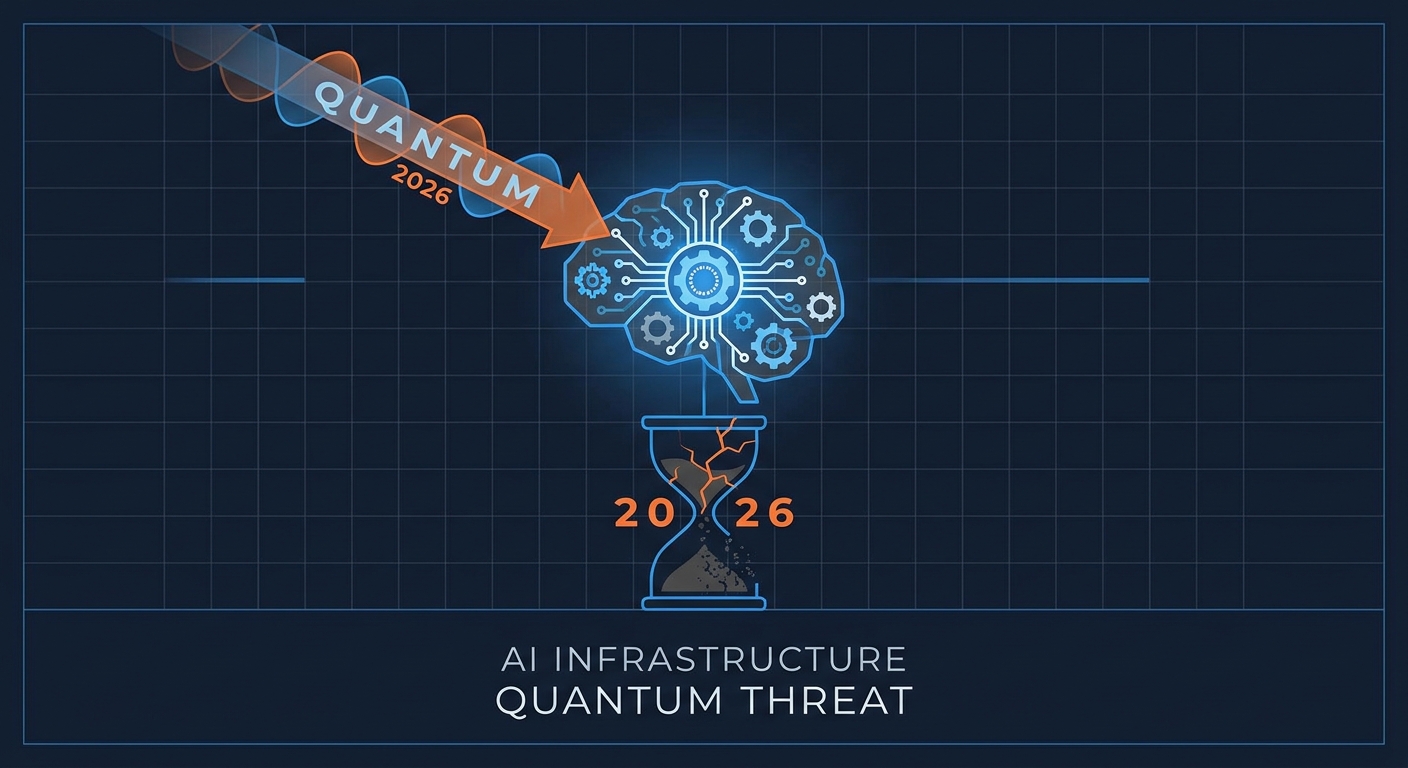
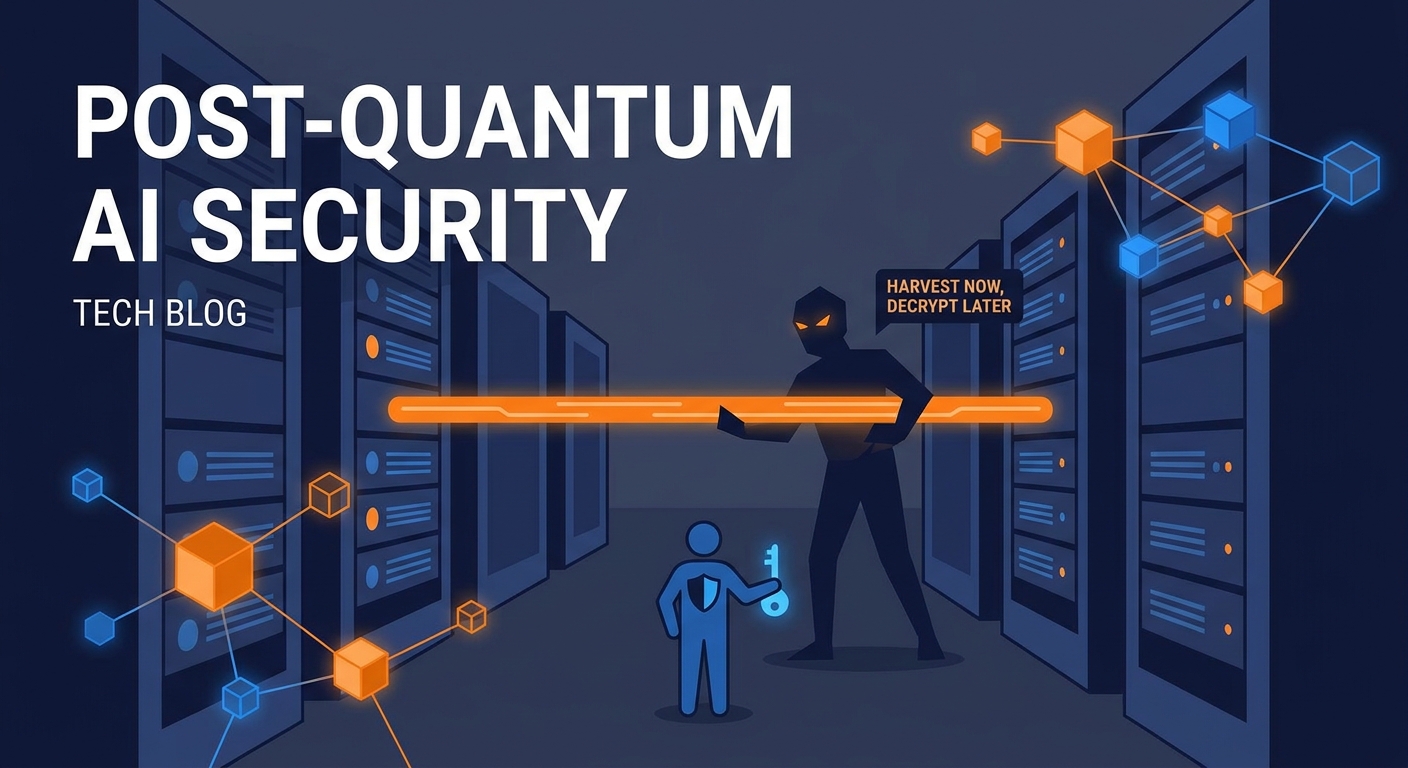
By 2026, "Q-Day"—the moment quantum computers break our current encryption—isn't some sci-fi plot point. It’s an operational reality. If your AI agents are still relying on standard TLS, you’re basically handing your proprietary data, internal strategy, and user context to anyone with a storage drive. They don’t even need to crack the code today. They just need to "Harvest Now, Decrypt Later" (HNDL). If you aren't moving toward a quantum-resistant architecture, you're already behind.
Why Is the Quantum Threat to AI Accelerating in 2026?
The barrier to entry for quantum-capable actors is plummeting. We aren't waiting for a distant future; we’re living in a time where hardware-level trust, like PQC-ready firmware, needs to be your baseline.
As explored in our Post-Quantum AI Infrastructure Security: A Complete Guide for 2026, the real danger is persistence. If an attacker grabs an MCP-based exchange today, they’ll just sit on that ciphertext. They’re waiting for the day they can flip a switch and turn your encrypted mess into clear, readable intelligence. This is why the pros are following the Cloudflare Post-Quantum Roadmap to swap out these vulnerable handshakes before the window of opportunity slams shut.
Is the Model Context Protocol (MCP) Inherently Vulnerable?
MCP was built for speed, flexibility, and ease of use. It wasn't built for the hostile, quantum-adjacent landscape of 2026. It serves as the primary artery for agentic AI, carrying everything from database schemas to raw user inputs.
This creates a massive surface for "Context Poisoning." If someone tampers with that data stream, they can trick your agent into hallucinating or ignoring its safety guardrails. Standard HTTPS and TLS are great for browsing the web, but they just don't have the mathematical muscle to hold off quantum decryption, as noted in the OWASP AI Security Guide. If your AI context is sensitive—and let's be honest, it is—relying on classical transport security is a tactical failure. You can learn more about why Securing Model Context Protocol: Why Quantum-Resistant Encryption is Non-Negotiable is an absolute requirement for any enterprise-grade deployment.
How Do You Architect a Quantum-Resistant MCP Handshake?
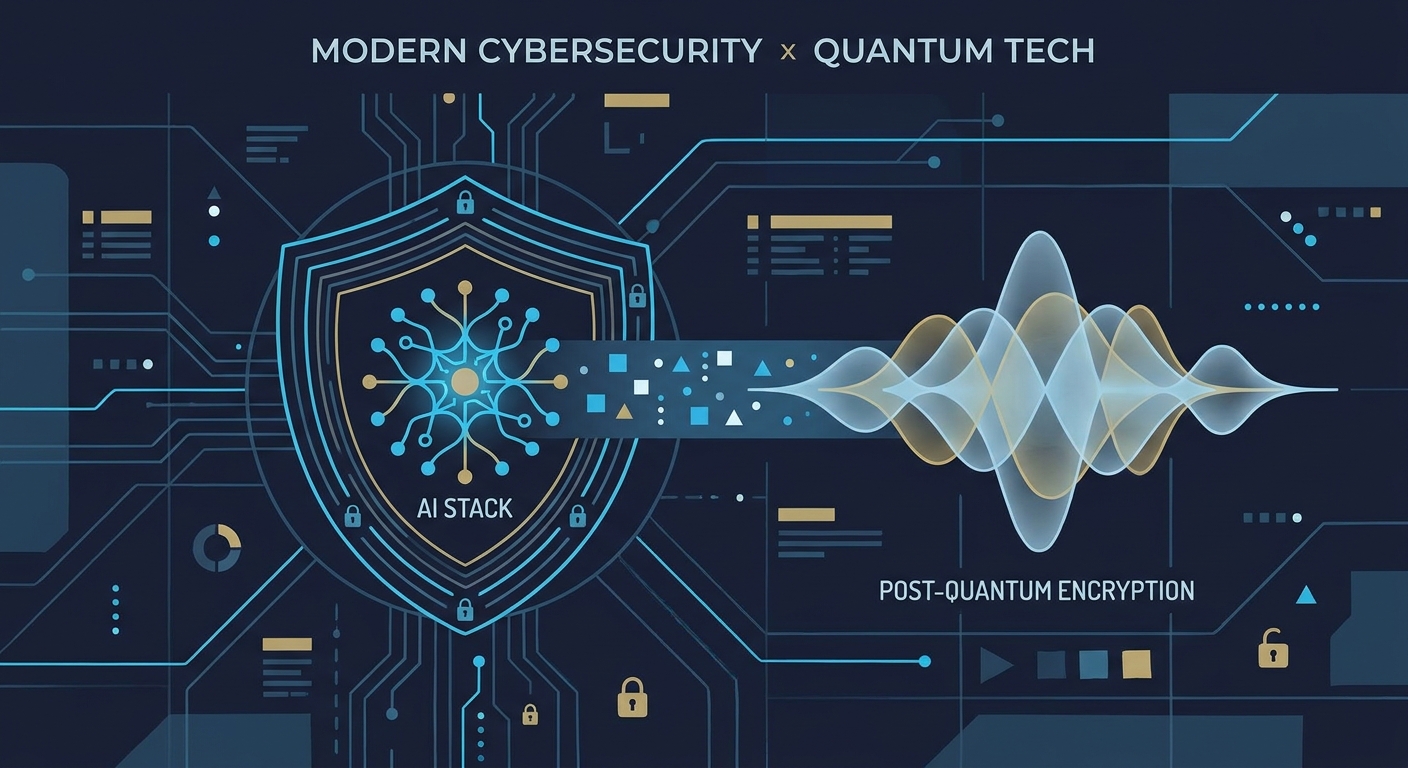
You need to switch to NIST-approved primitives, specifically ML-KEM (formerly Kyber) and ML-DSA. The goal here is "Cryptographic Agility." You want the ability to swap out algorithms as the threat landscape shifts, without burning your entire AI pipeline to the ground. By baking these primitives into the MCP handshake, you ensure that even if the classical part of the key exchange gets compromised, the quantum-resistant layer remains a brick wall.
Why Is "Hybrid Cryptography" the Gold Standard for Immediate Deployment?
Let’s be real: nobody has the budget or the bandwidth to rip and replace their entire infrastructure overnight. That’s why "Hybrid Cryptography" is the gold standard.
By layering battle-tested Elliptic Curve Cryptography (ECC) with newer, quantum-resistant algorithms, you get the best of both worlds. You maintain compatibility with your legacy agents while adding a heavy-duty layer of quantum protection. This approach lines up with the NIST Post-Quantum Cryptography Standards. It’s your hedge. If a flaw is found in a new PQC algorithm, your classical ECC is still there doing the heavy lifting.
What Are the Operational Security Best Practices for Quantum-Hardened AI?
How to Implement PQC at the Infrastructure Layer?
Patches are just the start. You need defense-in-depth. Look at your hardware—your server NICs, your HSMs. Is your firmware PQC-ready? True security starts at the boot process and ends at the data packet. If the hardware isn't hardened, the software is just a band-aid.
How to Monitor for Agentic Anomalies?
Perimeter security can't see what's happening inside the agent's logic. If an agent is compromised, it might look like it’s doing "normal" work while it’s actually leaking data. You need behavioral monitoring. If your agent suddenly starts pulling context it has no business touching, your system should flag it immediately, regardless of what encryption protocol is running.
How to Build Your Implementation Roadmap (Discovery to Deployment)
Transitioning isn't a sprint; it’s a marathon. Here’s how you handle it without breaking your production workflows.
Phase 1: Discovery
Map every MCP endpoint. Know exactly what data is moving where. You can’t protect what you haven’t mapped. Audit your TLS libraries—find out exactly where the vulnerabilities live.
Phase 2: Pilot
Run hybrid encryption in a sandbox. Test it. Measure the latency. See how your agents behave when they have to negotiate those PQC-enhanced keys. Better to find the bugs in a lab than in production.
Phase 3: Full Deployment
Hardening the production stack is about process as much as it is about math. Tighten your key rotation policies. Quantum resistance is only as effective as your key management. Factor in the larger key sizes and the reality that intercepted traffic might be sitting on a server somewhere for years.
Conclusion: Defining the Quantum-Ready Enterprise
Being "quantum-ready" isn't a one-time project. It’s a permanent shift in how you view security. You have to stop assuming that the math holding the internet together will stay the same forever. By adopting hybrid PQC now, you aren't just checking a compliance box—you’re protecting the intellectual property and user privacy that keep your business alive. The quantum era is coming. Don't get caught sleeping.
Frequently Asked Questions
Does the Model Context Protocol (MCP) already include quantum-resistant security?
No, MCP is an open standard that relies on existing transport security; quantum resistance must be configured at the implementation layer by the developer or infrastructure provider.
What is the biggest risk to my AI infrastructure if I don't implement PQC?
The primary threat is "Harvest Now, Decrypt Later" (HNDL) attacks, where malicious actors intercept and store encrypted AI context data today, intending to decrypt it once quantum computing capabilities reach maturity.
Can I use PQC without breaking my current AI agent integrations?
Yes, using "Hybrid Cryptographic" approaches allows you to combine traditional algorithms with PQC, ensuring your systems remain compatible with current standards while simultaneously providing quantum-resistant protection.
How does PQC affect the latency of AI agent communications?
While PQC algorithms can have larger key sizes and higher computational overhead, modern hybrid implementations are optimized to minimize latency impacts, ensuring that agentic performance remains within acceptable thresholds for real-time applications.
Where should I start when auditing my MCP implementation for PQC readiness?
Start by identifying all endpoints where sensitive context is exchanged, then map your current TLS libraries to see if they support NIST-approved PQC algorithms like ML-KEM.