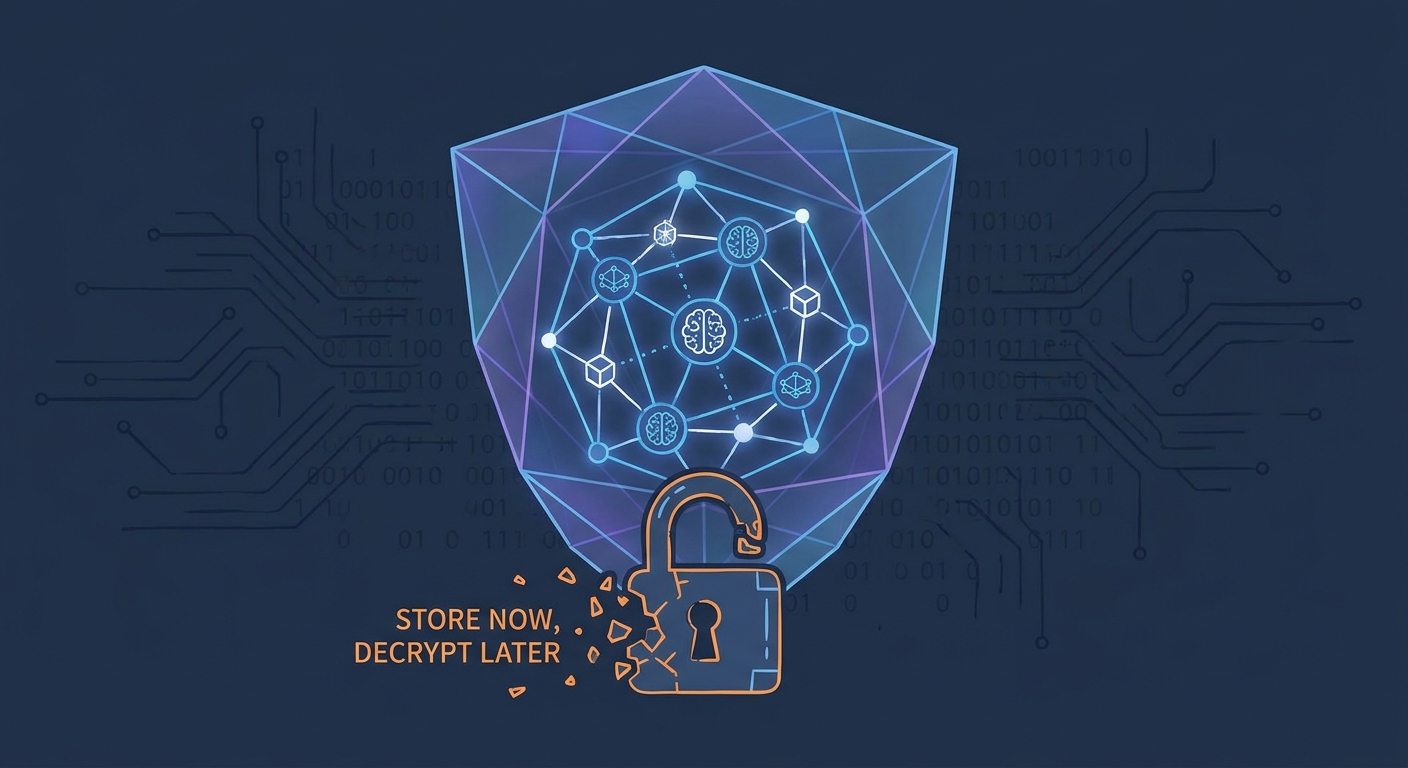
Automated Threat Detection for Quantum-Enabled Adversarial Attacks on AI Context
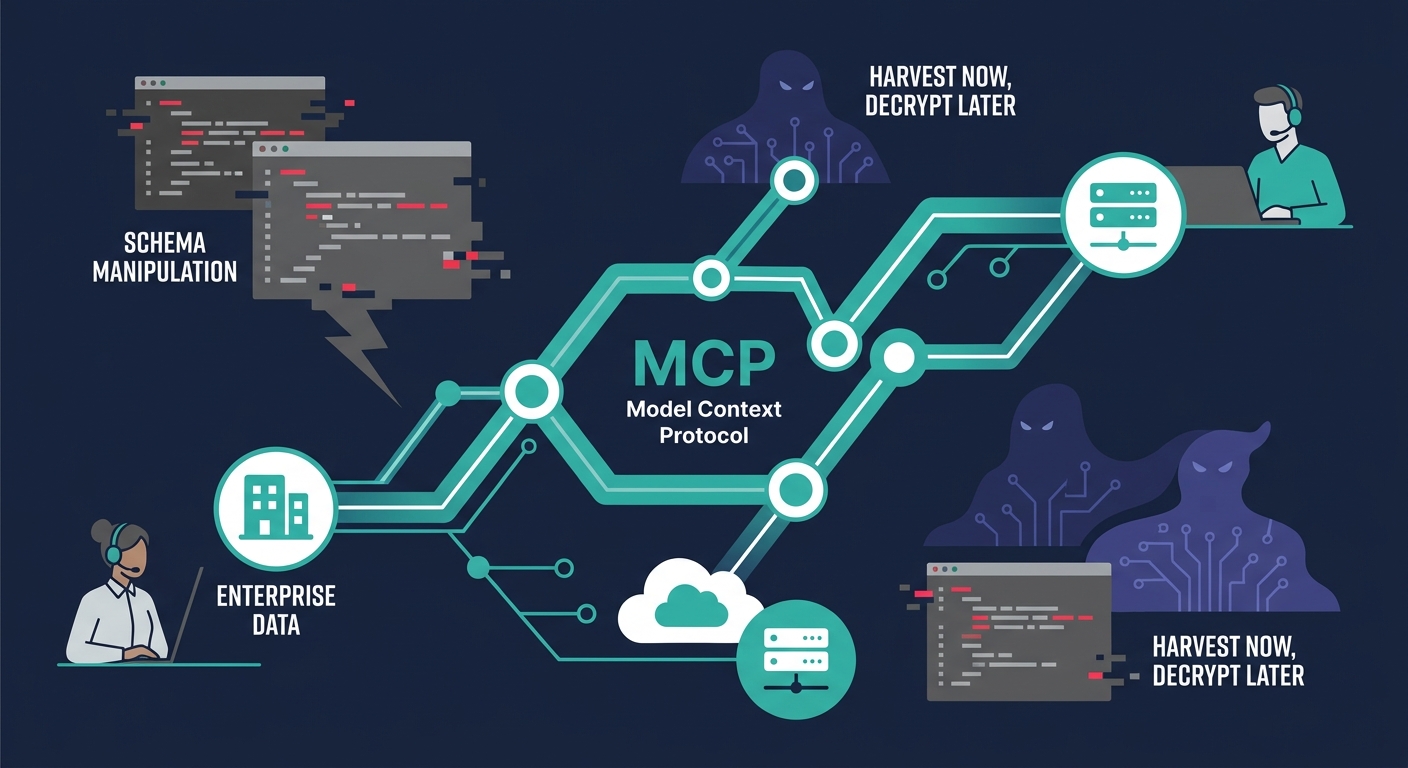
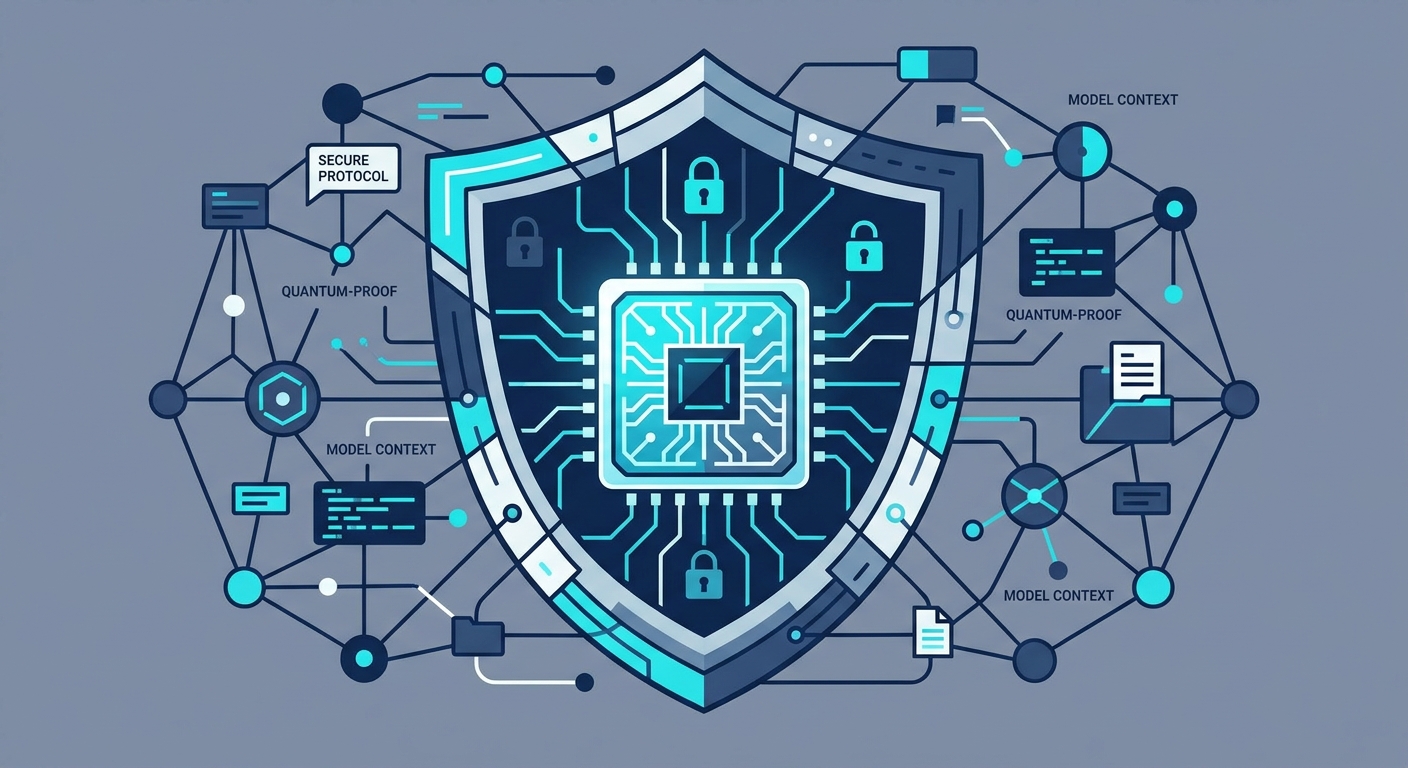
Learn how to protect Model Context Protocol (MCP) from quantum-enabled adversarial attacks using automated threat detection and post-quantum security.
Cutting-edge insights on post-quantum cryptography, AI cybersecurity, and zero-trust architectures. The Gopher Security Blog explores advanced security solutions for Model Context Protocol (MCP), homomorphic encryption, and privacy-preserving technologies to future-proof your enterprise against emerging quantum and AI threats.
Learn how to protect Model Context Protocol (MCP) from quantum-enabled adversarial attacks using automated threat detection and post-quantum security.
Discover how to secure Model Context Protocol deployments using quantum-safe neural telemetry and lattice-based cryptography to detect anomalous prompts and puppet attacks.
Secure your AI agents with lattice-based IAM. Learn how ML-KEM and ML-DSA protect Model Context Protocol (MCP) from quantum threats and puppet attacks.
Learn how to automate policy enforcement for quantum-secure prompt engineering in MCP environments. Protect AI infrastructure with PQC and real-time threat detection.
Learn how to implement cryptographic agility in MCP resource servers to protect AI infrastructure from quantum threats using PQC and modular security frameworks.
Learn how to implement cryptographic agility in Model Context Protocol (MCP) to protect AI infrastructure against quantum threats with PQC and modular security.
Learn how to secure MCP node clusters using post-quantum decentralized policy enforcement points. Protect AI infrastructure from quantum threats and tool poisoning.
Secure decentralized Model Context Protocol (MCP) tool discovery with Zero Trust. Learn about quantum-resistant P2P security and AI threat detection.
Learn how to detect anomalous prompt injections in quantum-secured AI pipelines using lattice-based cryptography and behavioral AI analysis for MCP environments.