Stateful Hash-Based Signatures for MCP Resource Integrity
Learn how to secure Model Context Protocol (MCP) resources using stateful hash-based signatures like XMSS and LMS for post-quantum AI security.
Cutting-edge insights on post-quantum cryptography, AI cybersecurity, and zero-trust architectures. The Gopher Security Blog explores advanced security solutions for Model Context Protocol (MCP), homomorphic encryption, and privacy-preserving technologies to future-proof your enterprise against emerging quantum and AI threats.
Learn how to secure Model Context Protocol (MCP) resources using stateful hash-based signatures like XMSS and LMS for post-quantum AI security.
Secure your MCP hosts with lattice-based IAM. Learn how post-quantum cryptography protects AI infrastructure from quantum threats and puppet attacks.
Learn how to protect PQC-enabled AI inference from side-channel attacks. Explore mitigation for Kyber, Dilithium, and MCP infrastructure security.
Learn how algorithmic agility and post-quantum security protect Model Context Protocol deployments from next-gen AI threats like puppet attacks.
Secure your MCP deployments with zero-trust architecture. Learn about post-quantum encryption, context-aware access, and threat detection for distributed AI.
Learn how to secure Model Context Protocol (MCP) deployments using Kyber-encapsulated context windows and zero-trust policy enforcement for post-quantum security.
Learn how to detect anomalous prompt injections in quantum-encrypted MCP streams using ai-driven behavioral analysis and post-quantum security frameworks.
Learn how to build a Quantum-Resistant Zero Trust Architecture for distributed contextual data in MCP environments. Secure your AI infrastructure today.
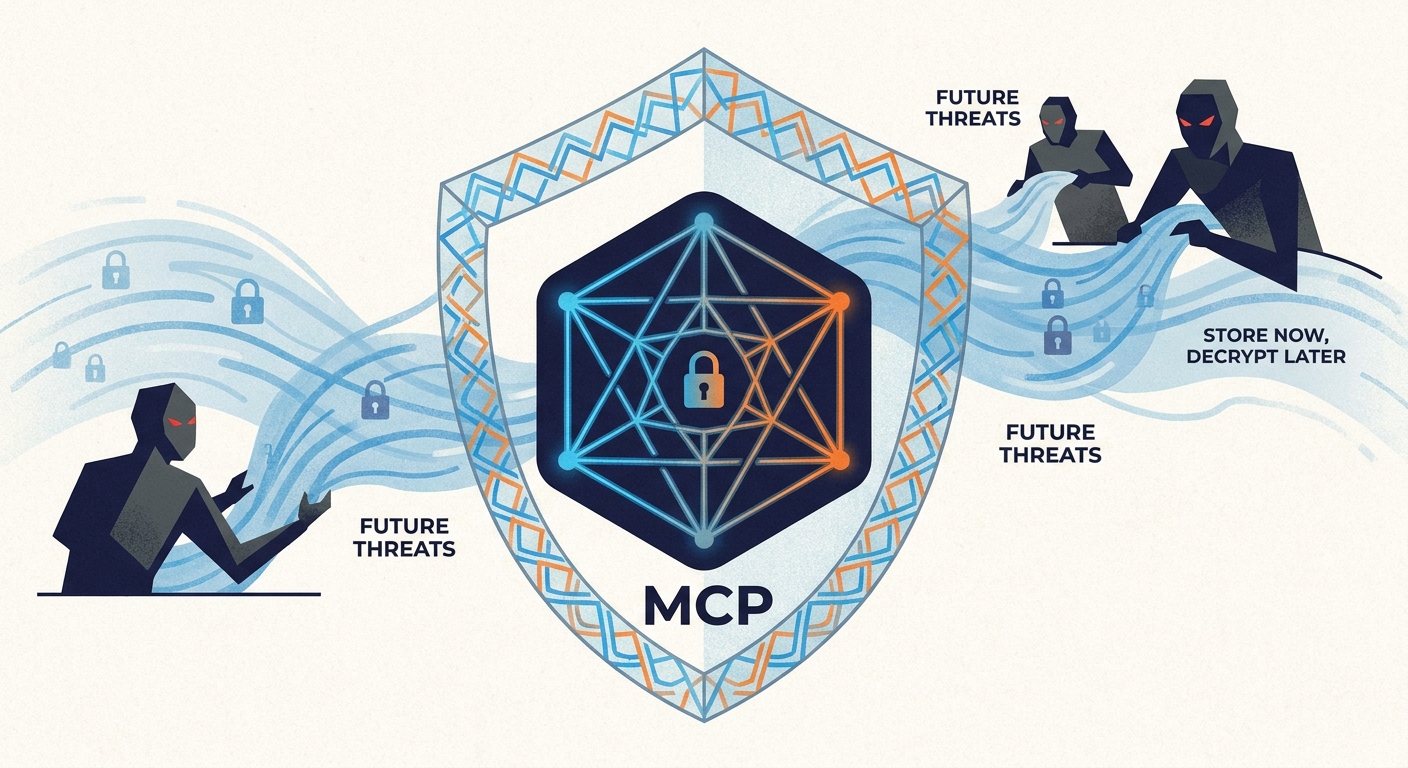
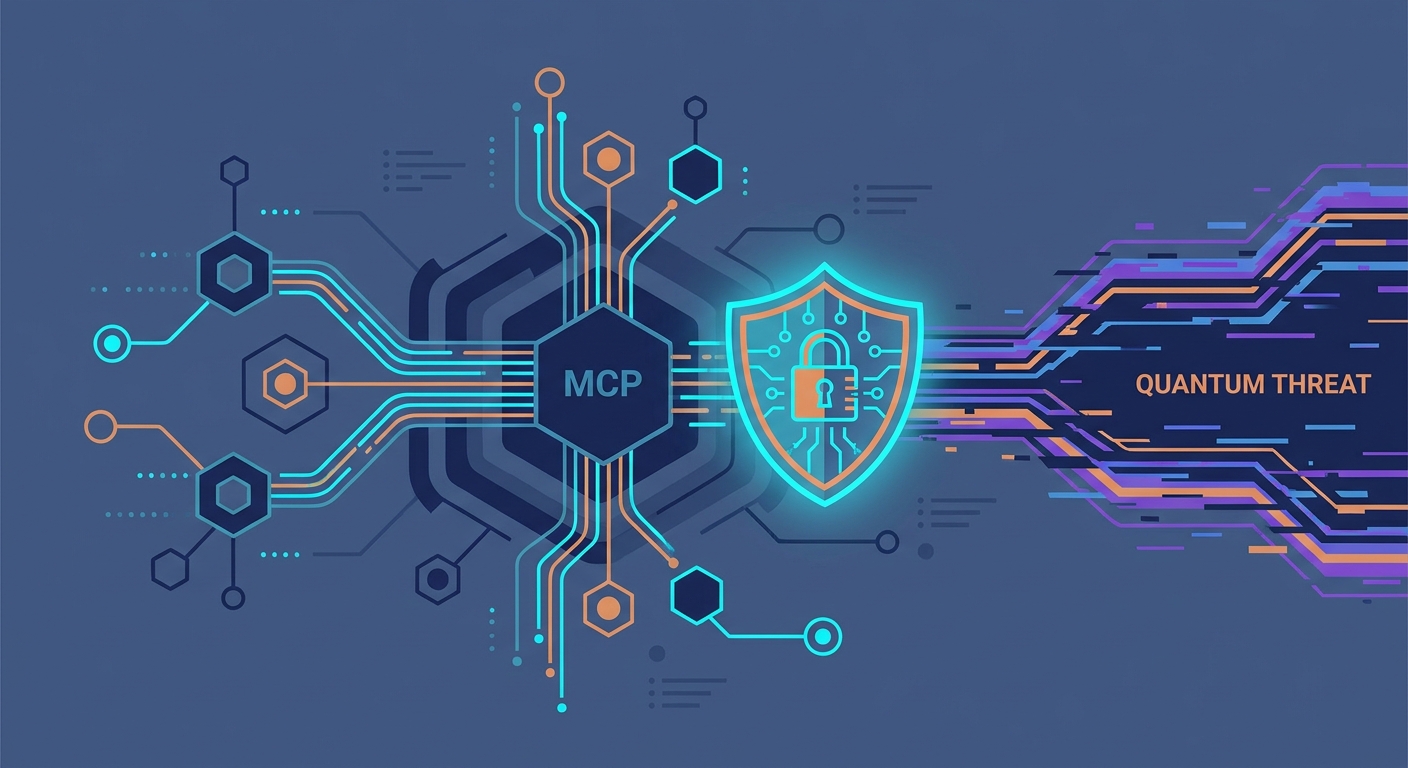
Learn how to secure Model Context Protocol (MCP) transport layers using post-quantum cryptography (PQC) to defend against future quantum computing threats.