Blockchain Networks Accelerate Quantum-Resistant Protocol Integration Ahead of 2026 Industry Migration Deadlines

TL;DR
- New federal mandates require quantum-resistant cryptography implementation by 2030.
- The 'harvest now, decrypt later' threat drives immediate cryptographic overhauls.
- NIST-approved algorithms are becoming the mandatory standard for federal infrastructure.
- Bitcoin developers are stress-testing post-quantum layers to secure future assets.
Blockchain Networks Race to Quantum-Proof Their Foundations Before 2030
The clock is ticking, and for once, it isn’t just a metaphor. A fresh U.S. Executive Order has effectively lit a fire under the blockchain industry and its federal partners, turning what was once a "someday" concern into a rigid, legally binding deadline. We are no longer talking about best practices or gentle suggestions; we are talking about a full-scale cryptographic overhaul that must ripple through every layer of the federal contractor supply chain.
The catalyst? The terrifyingly real "harvest now, decrypt later" strategy. Adversaries are currently vacuuming up encrypted data by the terabyte, banking on the fact that when cryptographically relevant quantum computers (CRQC) finally come online, they’ll be able to crack today’s secrets with ease. According to the Global Risk Institute’s 2026 report, we likely have a window of ten to fifteen years before this hardware becomes a reality. That’s not a long time in the world of infrastructure.
The New Reality of Federal Deadlines
For years, the industry operated under the vague assumption that we had until 2035 to ditch classical cryptography. That comfort zone just evaporated. The new mandate forces government contractors to hit hard, non-negotiable targets for integrating government-approved algorithms.
Here is the new reality for federal systems:
| System Category | Mandatory Compliance Deadline |
|---|---|
| Key Establishment Systems | 2030 |
| Digital Signature Systems | 2031 |
This isn't a suggestion. It’s a requirement to adopt algorithms vetted by the National Institute of Standards and Technology (NIST). Since finalizing their initial post-quantum cryptography (PQC) standards in August 2024 and expanding the toolkit in March 2025 to include the HQC (Hamming Quasi-Cyclic) algorithm, NIST has provided the blueprint. Now, the heavy lifting of implementation begins.
Bitcoin’s Long-Game Migration
Bitcoin, the bedrock of the decentralized world, is facing a unique existential threat. Shor’s algorithm—the mathematical "skeleton key" for quantum computers—could theoretically dismantle the elliptic curve cryptography that guards every Bitcoin address.
As of April 2026, a specialized team of 20 experts is deep in the trenches, building post-quantum standards tailored specifically for the Bitcoin protocol. They aren't rushing this; they’re treating it as a decade-long structural renovation. Because Bitcoin requires absolute network consensus, you can’t just "patch" it overnight. Developers are currently running tests on the Liquid network, stress-testing new cryptographic layers before even dreaming of a mainnet rollout.
The most critical part of the plan? A strategy to "freeze" assets sitting in older, vulnerable addresses. By walling these coins off, the network hopes to shield them from quantum-enabled theft while the rest of the ledger migrates to safer ground. It’s a proactive, if complex, move that mirrors the comprehensive guidance on quantum cybersecurity now being adopted by the enterprise and government sectors.
The Quantum-Safe Market: A Maturing Landscape
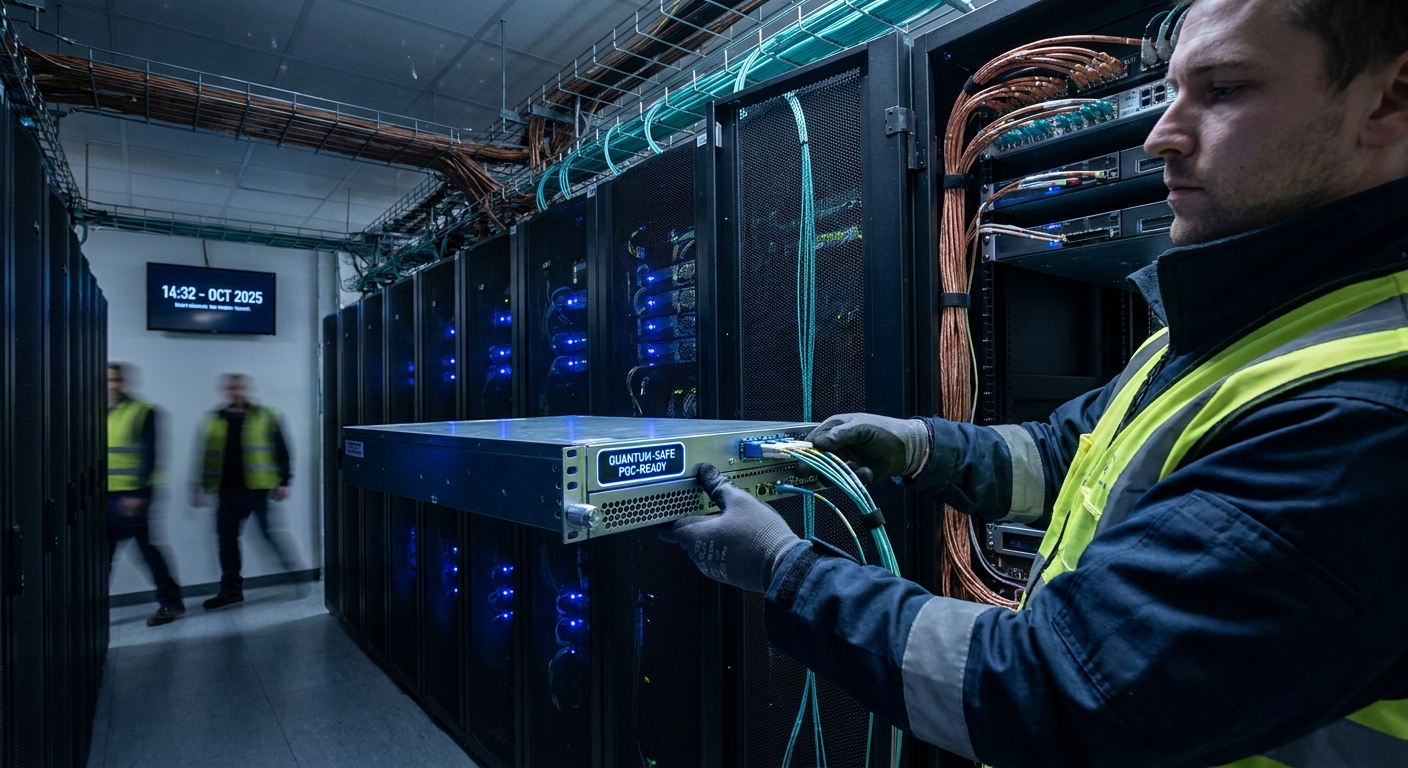
By early 2026, the market for quantum-safe tech has split into two distinct camps: Post-Quantum Cryptography (PQC) and Quantum Key Distribution (QKD).
PQC is the "software" approach—it uses complex math that quantum computers struggle to solve, meaning it can run on the hardware we already have. QKD, on the other hand, is the "physics" approach, using light particles to distribute keys, which requires specialized optical hardware.
Smart enterprises are playing both sides, adopting a dual-layered strategy to ensure their infrastructure doesn't collapse under the weight of a quantum attack. This urgency has fueled massive investment; firms like PQShield have already pulled in over $63 million to provide PQC intellectual property for chips and firmware. They’re joined by a growing roster of players like CryptoNext Security, DigiCert, Fortanix, ISARA Corporation, Keyfactor, Palo Alto Networks, Post-Quantum, and Quantum Xchange.
The growth of this sector is underscored by a burgeoning ecosystem of companies building quantum cryptography and communications markets, proving that "quantum-safe" is no longer a niche buzzword—it’s a prerequisite for doing business in finance, defense, and beyond.
Beyond the Algorithm: The Supply Chain Audit
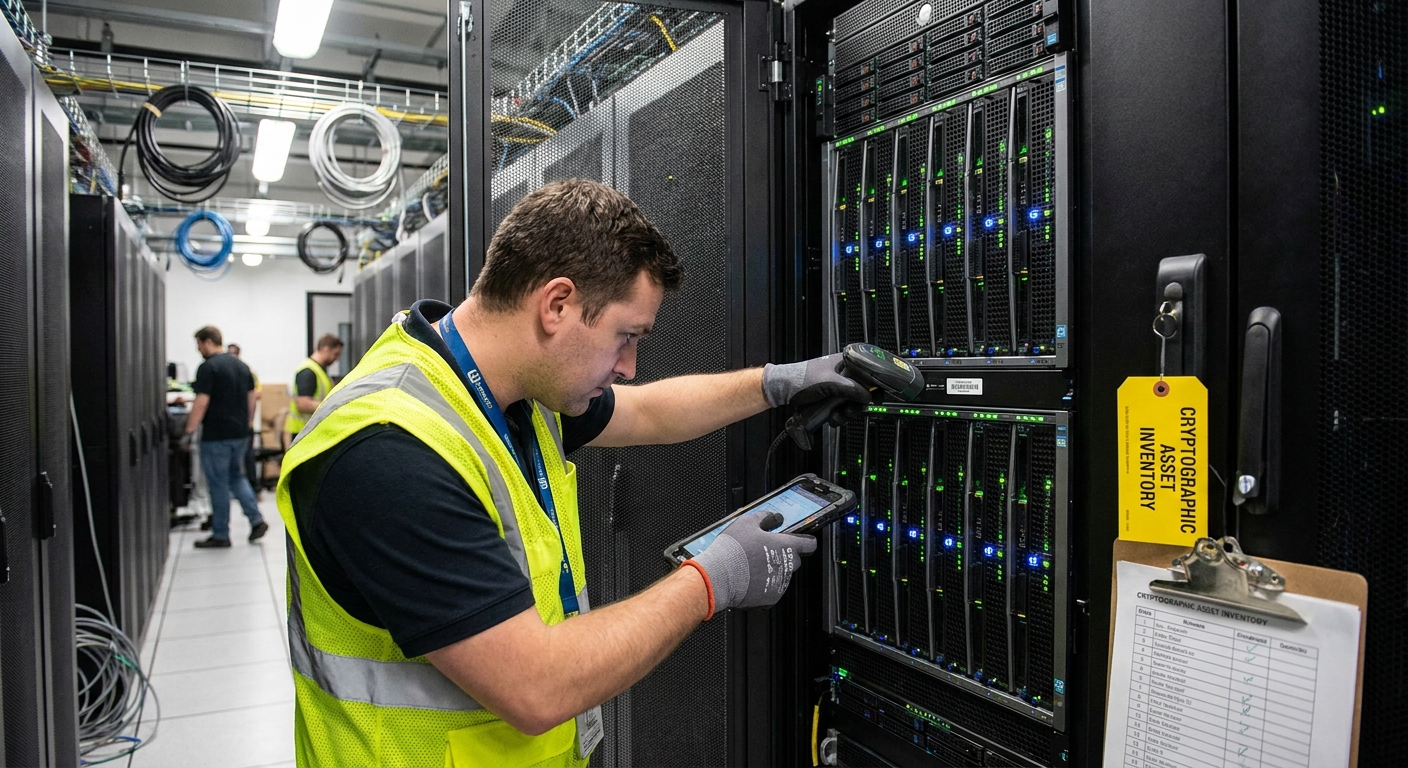
Migrating global networks isn't as simple as swapping out a piece of code. It requires a forensic audit of the entire cryptographic supply chain. Organizations have to hunt down every instance of classical cryptography buried in their firmware, hardware, and legacy software—a task that is as tedious as it is vital.
As the industry continues to explore the industrial potential of quantum networking, the priority remains the same: keep the lights on. We need to transition to quantum-safe protocols without breaking the digital services that keep the global economy humming.
With the 2030 and 2031 deadlines looming, the conversation has shifted from theoretical research to the grit of live, production-grade deployment. As industry analysts at P-11 have pointed out, the speed and accuracy of this migration will likely define the security of the global digital economy for the next half-century. We are currently in the middle of the most significant cryptographic upgrade in history; the only question is whether we’ll be ready when the quantum era finally arrives.