DigiCert Launches Quantum Central to Accelerate Enterprise Post-Quantum Cryptography Migration Roadmaps


TL;DR
- DigiCert launches Quantum Central to manage post-quantum migration roadmaps.
- The platform provides automated cryptographic discovery and asset inventory management.
- It addresses the urgent risk of quantum processors breaking current RSA/ECC encryption.
- Features include risk-based prioritization for upgrading legacy cryptographic assets.
The quantum threat isn't a distant sci-fi plot anymore; it’s a looming deadline for every IT department on the planet. As quantum computing matures, the math that keeps our digital world locked down—RSA, ECC, the works—is suddenly looking a lot more fragile. Enter DigiCert’s "Quantum Central." Launched in mid-2026, this platform is the company’s answer to the chaos of the post-quantum transition. It’s essentially a command center designed to help enterprises stop guessing where their vulnerabilities lie and start systematically hardening their infrastructure.
Part of the broader DigiCert ONE ecosystem, Quantum Central is built on a simple premise: you can’t fix what you can’t see. In an era where "cryptographic agility" is becoming the gold standard for survival, this platform acts as the foundational layer for companies trying to navigate the shift to quantum-safe standards without breaking their existing digital architecture.
The Quantum Threat: Why Your Current Security Might Be Obsolete
Here’s the reality check: our current cryptographic protocols are built on mathematical problems that quantum processors are designed to chew through. We’re talking about algorithms that have protected everything from banking transactions to government secrets for decades.
The biggest hurdle for most enterprises isn't just picking a new algorithm—it’s finding every single place where old, vulnerable cryptography is hiding. It’s a needle-in-a-haystack problem, except the haystack is a sprawling, multi-cloud digital ecosystem. Post-quantum cryptography is the destination, but the journey starts with an audit.
DigiCert’s announcement frames this as a move toward making quantum readiness a practical, manageable task. By mapping the entire cryptographic landscape, security teams can finally stop treating the quantum shift as an abstract "future problem" and start treating it like the urgent infrastructure update it actually is.
What’s Under the Hood?
Quantum Central isn't just a dashboard; it’s a workflow engine. It plugs into the systems you’re already using, tracking the lifecycle of keys and certificates as they migrate toward quantum-resistant alternatives.
Here is how the platform breaks down the workload:
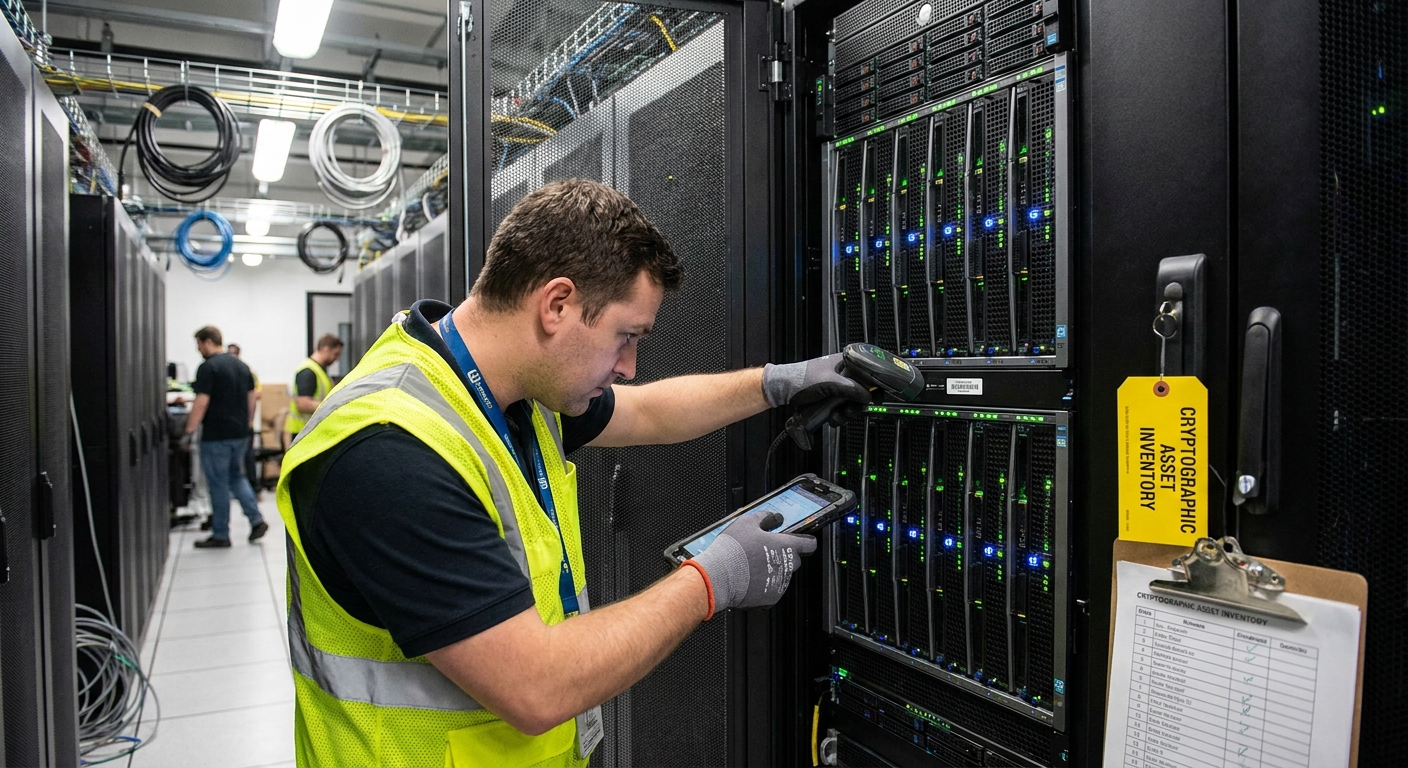
- Cryptographic Discovery: Automated scanning that hunts down every cryptographic asset in your network, flagging the ones that are susceptible to quantum attacks.
- Asset Management: A single pane of glass for your entire cryptographic footprint—no more spreadsheets or manual tracking.
- Prioritization Framework: Analytical tools that rank assets by risk. It tells you exactly what needs to be swapped out first, so you aren't wasting time on low-priority items.
- Strategic Planning: A roadmap builder that helps you align your migration with evolving PQC standards and compliance requirements.

Mapping the Migration Path
Moving to post-quantum security is arguably the most significant infrastructure overhaul in modern tech history. As noted by Digitalisation World, this isn't a "rip and replace" job you can finish over a weekend. It requires a deep, granular understanding of your organization's cryptographic health.
Quantum Central simplifies this by organizing the chaos into four distinct phases:
| Phase | Objective | Outcome |
|---|---|---|
| Discovery | Identify all existing cryptographic assets | Total visibility of current infrastructure |
| Cataloging | Assess vulnerability of identified assets | Risk assessment of quantum-exposed systems |
| Prioritization | Determine migration sequence | Efficient allocation of security resources |
| Remediation | Deploy PQC-compliant protocols | Enhanced, quantum-safe security posture |
Why "Cryptographic Agility" is the New Baseline
For any large organization, the volume of certificates and keys is staggering. If you’re still tracking these manually, you’re already behind. By folding Quantum Central into the DigiCert ONE ecosystem, the platform pushes for cryptographic agility.
Think of agility as the ability to pivot. PQC standards are still in flux—they’re being refined, updated, and finalized as we speak. If you hard-code your security today, you’ll be stuck in the mud tomorrow. A centralized management platform allows security teams to swap out algorithms at scale without having to tear down their entire digital operation. It moves the conversation away from managing individual certificates and toward governing your entire cryptographic infrastructure as a single, cohesive unit.
Looking Ahead: The Proactive Shift
The launch of Quantum Central signals a broader shift in how the industry views security. We’re moving away from reactive patching and toward proactive, data-driven governance. The clock is ticking—as quantum hardware gets faster, the window to secure our data gets smaller.
By providing the necessary tools for quantum readiness, DigiCert is giving security leaders the data they need to justify their budgets and prove their progress to stakeholders. It’s not just about the technical swap of algorithms; it’s about having the visibility to communicate the state of the migration clearly.
Ultimately, the success of this transition will come down to consistency. It’s about building a repeatable, systematic process for securing the digital future. As enterprises start plugging these tools into their workflows, we’re likely to see a new industry standard emerge—one where "quantum-safe" is just another box to check in the daily maintenance of a healthy, secure network. The quantum era is coming, but for those with the right tools, it won't be the catastrophe some are predicting.