Europol Dismantles SIM Farm Network Behind 49 Million Fake Accounts

TL;DR
- Europol's Operation SIMCARTEL has dismantled a global SIM farm network that enabled cybercriminals to create over 49 million fake online accounts. This network facilitated phishing, smishing, and investment fraud, impacting thousands of victims worldwide with millions in financial losses. The operation resulted in seven arrests and the seizure of substantial assets, including SIM-box devices, servers, luxury vehicles, and cryptocurrency.
Operation SIMCARTEL Dismantles Massive SIM Farm Network
Europol's Operation SIMCARTEL dismantled a global SIM-box scam network spanning Austria, Estonia, Finland, and Latvia. This operation targeted a cybercrime-as-a-service (CaaS) platform facilitating various crimes, including phishing and investment fraud. The coordinated effort involved 26 searches, resulting in seven arrests.
Seizures and Arrests
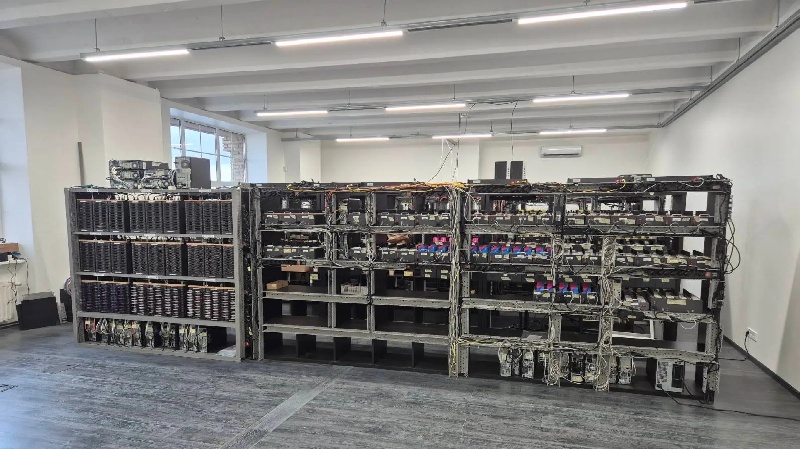
During the raids conducted on October 10, 2025, law enforcement seized approximately 1,200 SIM-box devices containing 40,000 active SIM cards. Five servers supporting the criminal infrastructure were also dismantled. Additionally, authorities seized four luxury vehicles and froze €431,000 ($502,000) in bank accounts and €266,000 ($310,000) in cryptocurrency accounts belonging to the suspects. Two websites, gogetsms.com and apisim.com, which advertised the illegal service, were taken over and now display seizure banners. Five of the seven arrested suspects are Latvian nationals. Latvian authorities shared footage of a raid showing computer hardware and large quantities of SIM cards.
Criminal Network and Impact
The criminal network facilitated the creation of over 49 million fake online accounts. These accounts were used for various cybercrimes, including phishing, smishing, and financial fraud. The network offered phone numbers registered to individuals from over 80 countries, enabling criminals to obscure their identities and locations. The platform was designed for anonymous communication and payments, impacting at least 3,200 victims across multiple countries. Europol believes that the criminal enterprise offered phone numbers registered to people from more than 80 countries.
Financial Losses and Fraud Cases
The SIM farm has been linked to over 1,700 cyber fraud cases in Austria and 1,500 in Latvia. These cases resulted in financial losses of approximately €4.5 million ($5.25 million) in Austria and €420,000 ($489,000) in Latvia. The criminal network enabled a multitude of serious crimes, including fraud on online second-hand marketplaces, investment fraud, and fake bank websites. Total losses are counted in the millions, with financial loss just in Austria amounting to roughly €4.5 million. In Latvia, it was around €420,000. Europol and Latvian authorities estimated that the “sophisticated” SIM-box service enabled 49 million fake online accounts.
Services Offered and User Complaints
GoGetSMS was marketed as a way to obtain "fast and secure temporary phone numbers." The service offered over 10 million numbers to receive verification codes from over 160 online services. It also offered a way to monetize existing SIM cards by turning them into "powerful assets for generating passive income." Users on Trustpilot complained about issues with obtaining temporary numbers and unresponsive customer support.