KT and SK Telecom Invest Billions in Cybersecurity Initiatives

KT's Major Investment in Cybersecurity
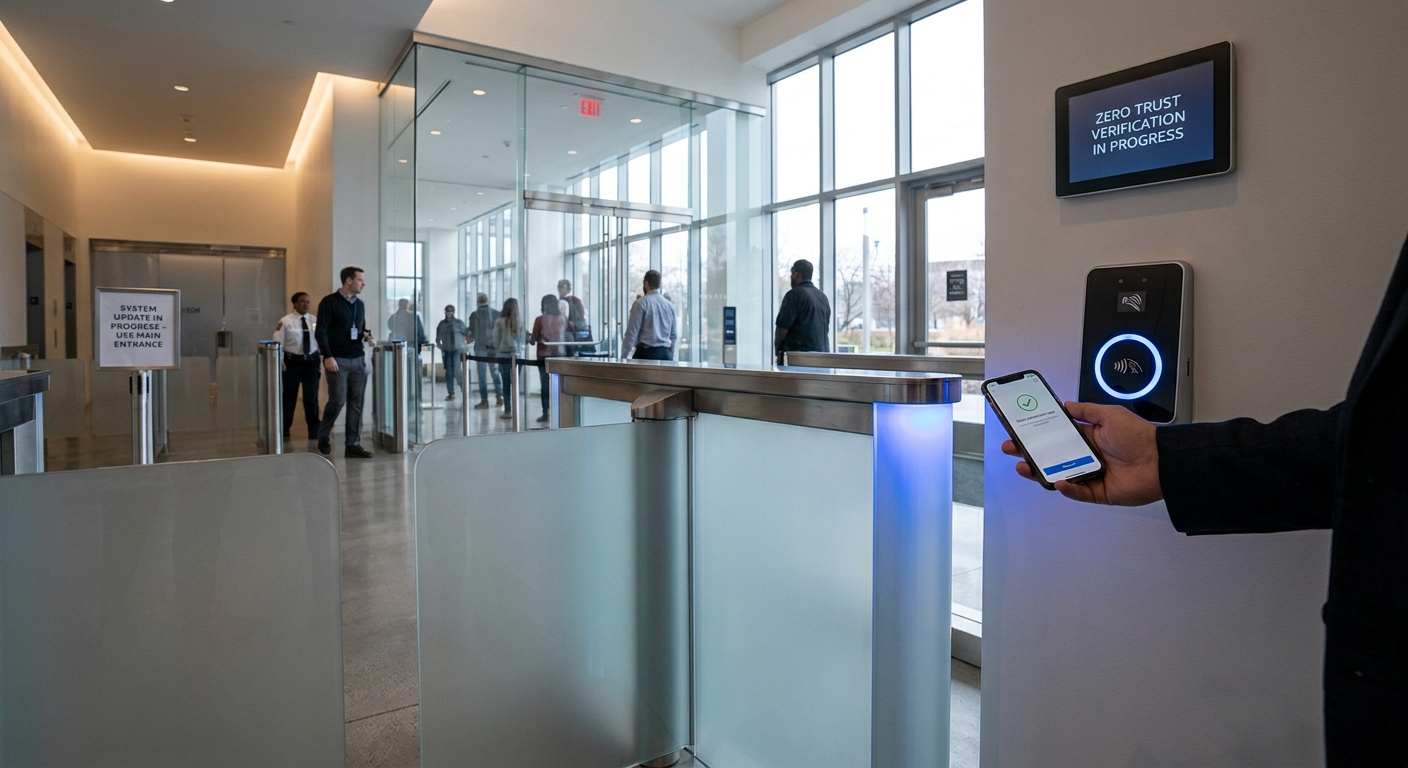
KT has announced a significant investment of over 1 trillion won (approximately $724 million) in information protection over the next five years. This initiative is aimed at enhancing its cybersecurity framework and includes various strategic allocations. Specifically, KT plans to invest 20 billion won in global security collaboration, 340 billion won to strengthen its zero trust system and security monitoring, 50 billion won for expanding security personnel, and 660 billion won for maintaining and improving information protection disclosures.

Image courtesy of MK
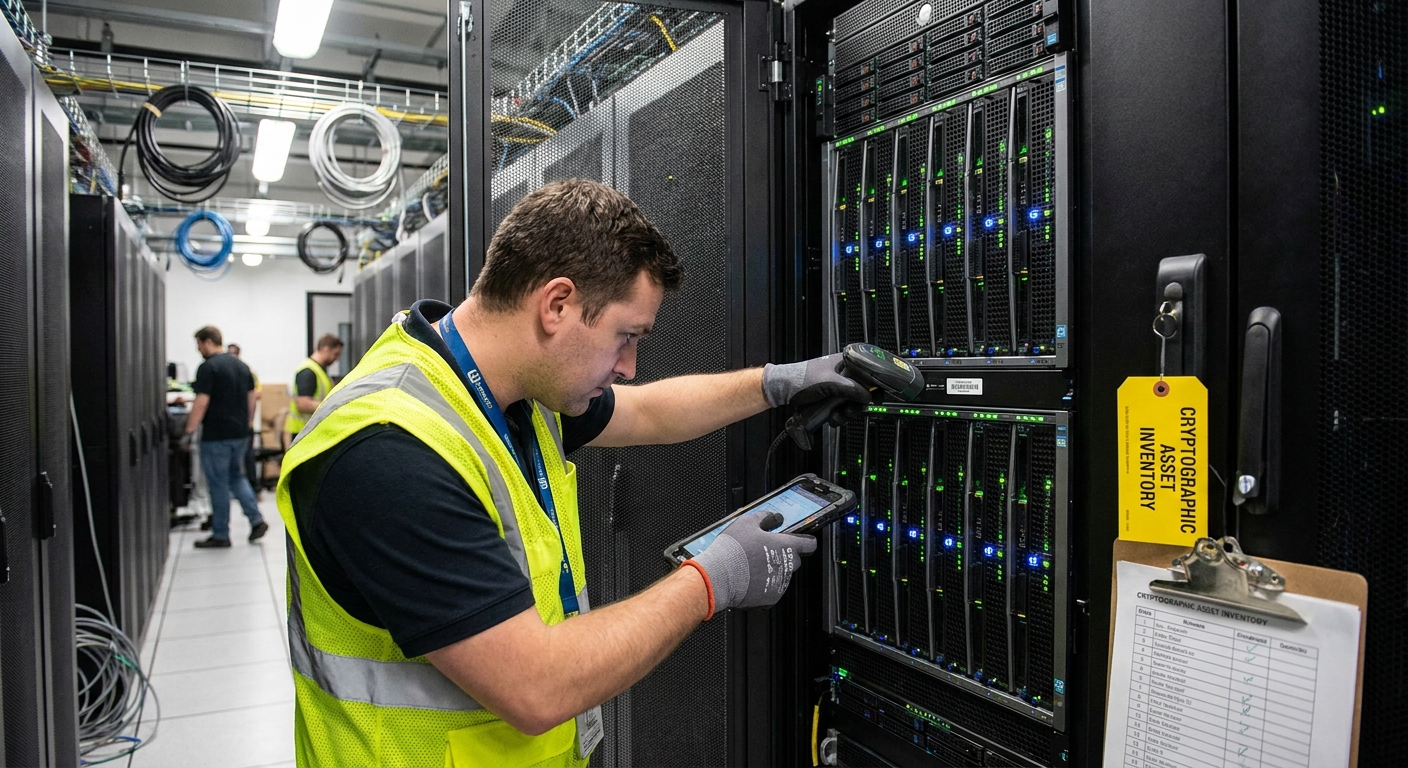
KT's security efforts are underpinned by its proprietary security system, the 'K-Security Framework'. This system includes initiatives like "K-Opens", which simulates attacks from a hacker's perspective, and "K-Defense", which focuses on preventing security breaches through regular training and vulnerability checks involving external experts.
The company plans to design AI-based future security architectures in collaboration with global security firms and will operate a 24/7 cyber security center, the first of its kind in Korea. Furthermore, KT aims to commercialize its 'KT AI Voice Phishing Detection 2.0', which utilizes AI trained on over 25,000 voice phishing samples to enhance detection rates and improve user warnings.
In addition to individual customer protections, KT is also enhancing security measures for corporate clients, using a database with the latest security threat information to prevent DDoS attacks. The company plans to double its DDoS defense capacity and introduce a monitoring dashboard for real-time attack detection status.
SK Telecom's Accountability and Commitment Program
SK Telecom is set to invest $514 million over the next five years as part of its Accountability and Commitment Program following a major data breach that took place in April. This breach, which compromised the subscriber data of up to 23 million customers, led the South Korean government to find SK Telecom negligent in its security practices.
The company acknowledged its shortcomings and is committed to rebuilding customer trust through significant investments in new security systems and processes. The program includes a plan to double its information protection team by hiring industry experts and developing internal talent. SK Telecom will establish a KRW10 billion ($7.3 million) fund to support the growth of the Korean cybersecurity industry, which will focus on talent development and partnerships with universities.
SKT's revamped security initiatives will also include appointing a cybersecurity expert to its board of directors and establishing a Red Team to continuously check for security vulnerabilities. The adoption of a Zero Trust-based Information Protection System will further enhance its security protocols.
As part of its customer compensation efforts, SKT introduced a Customer Assurance Package and a Customer Appreciation Package, which includes bill reductions and additional data benefits for affected subscribers. The estimated cost of these packages is about 500 billion won ($367 million).
For more information regarding SK Telecom's Accountability and Commitment Program, visit their official announcement here.
Emerging Security Solutions
PIXM has partnered with Carahsoft Technology Corp. to make anti-phishing security solutions available to the public sector. This collaboration aims to enhance the cybersecurity posture of government agencies by providing effective tools to combat phishing attacks.
This partnership reflects a growing recognition of the need for robust security measures, particularly in light of increasing cyber threats. For more details on PIXM's offerings, you can visit their official announcement.
These strategic moves by both KT and SK Telecom highlight the critical importance of cybersecurity in the telecommunications sector, as they aim to enhance their systems and regain customer trust through substantial investments and innovative solutions.