KXCO Advances Post-Quantum Cryptography Integration to Address 2026 TLS and PKI Security Mandates

TL;DR
- KXCO is accelerating PQC integration to meet urgent 2026 security mandates.
- Organizations must mitigate the "harvest now, decrypt later" quantum-era threat.
- NIST standards (FIPS 203–205) provide the blueprint for quantum-resistant upgrades.
- Achieving crypto-agility is essential for updating infrastructure without system downtime.
KXCO Fast-Tracks Post-Quantum Cryptography to Meet 2026 Security Mandates
The clock is ticking on the quantum age. KXCO is aggressively integrating post-quantum cryptography (PQC) protocols, moving quickly to align with global mandates before the 2026 deadline. For years, quantum-resistant security was a theoretical exercise—a "what if" scenario for researchers. That era is over. We are now in the thick of an operational race to harden critical infrastructure against the sheer processing power of future quantum computers.
The primary driver here is the "harvest now, decrypt later" threat. It’s a chillingly simple strategy: adversaries intercept and stockpile encrypted data today, waiting for the day they can crack it with a quantum machine. To stop this, organizations must act now. With NIST finalizing its initial PQC standards—FIPS 203, 204, and 205—in August 2024, the blueprint for survival is finally on the table. The task ahead? Overhauling Public Key Infrastructure (PKI) and Transport Layer Security (TLS) to ensure that today’s secrets don’t become tomorrow’s public knowledge.
The Pivot to Quantum Resilience
Quantum-resistant infrastructure has graduated from a "nice-to-have" IT project to a cornerstone of national security. The 2026 National Quantum Initiative Reauthorization Act (NQIRA) is the hammer driving this change, forcing both government agencies and the private sector to stop talking and start deploying.
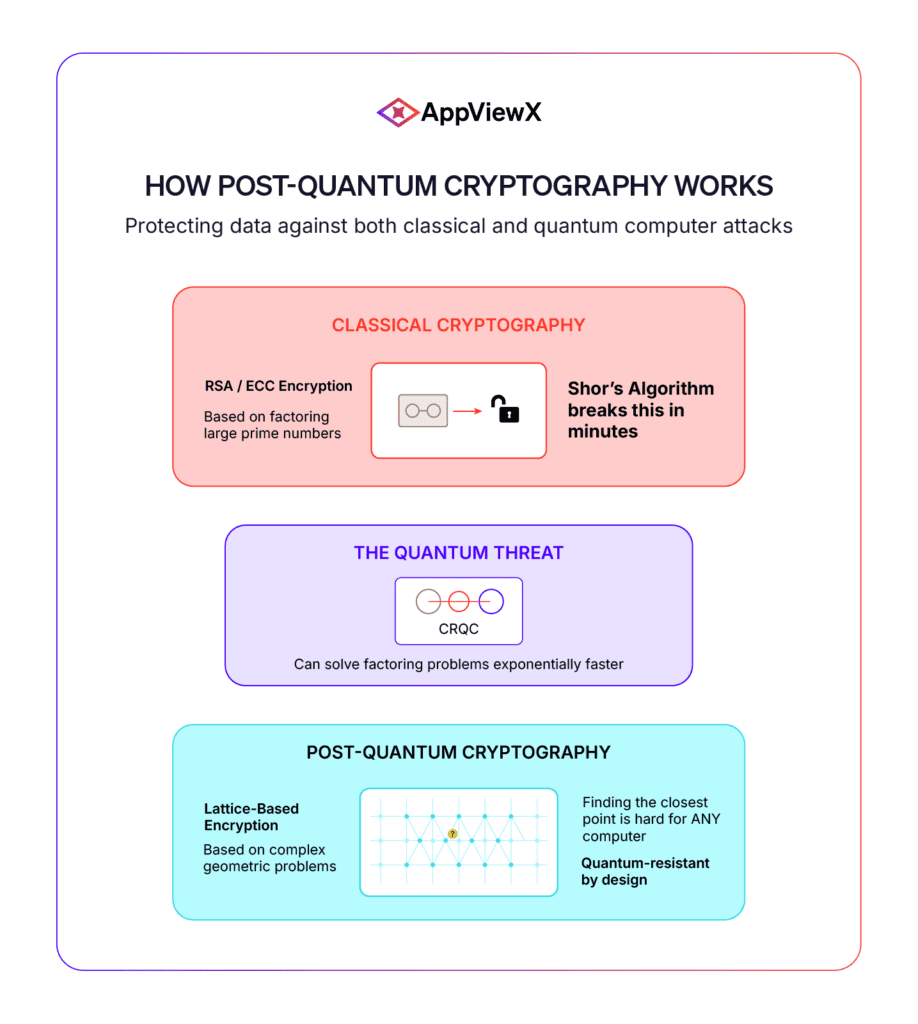
The timeline is tighter than many realize. Analysts at the Cloud Security Alliance have flagged 2030 as a potential "Q-Day"—the moment quantum hardware finally renders RSA-2048 encryption obsolete. Even more concerning, research from Google Quantum AI suggests that the hurdle to breaking current standards might be lower than we once thought. This isn't just about upgrading software; it’s about adopting lattice-based algorithms that can actually stand up to the math of the future.
Mastering Crypto-Agility
How do you upgrade a plane while it’s still in the air? The answer is "crypto-agility." It’s the ability to swap out cryptographic primitives without tearing your entire network infrastructure apart. Integrating PQC into existing TLS and PKI frameworks requires a surgical, structured approach.
According to the coordinated implementation roadmap for post-quantum cryptography, the transition generally boils down to four non-negotiable steps:
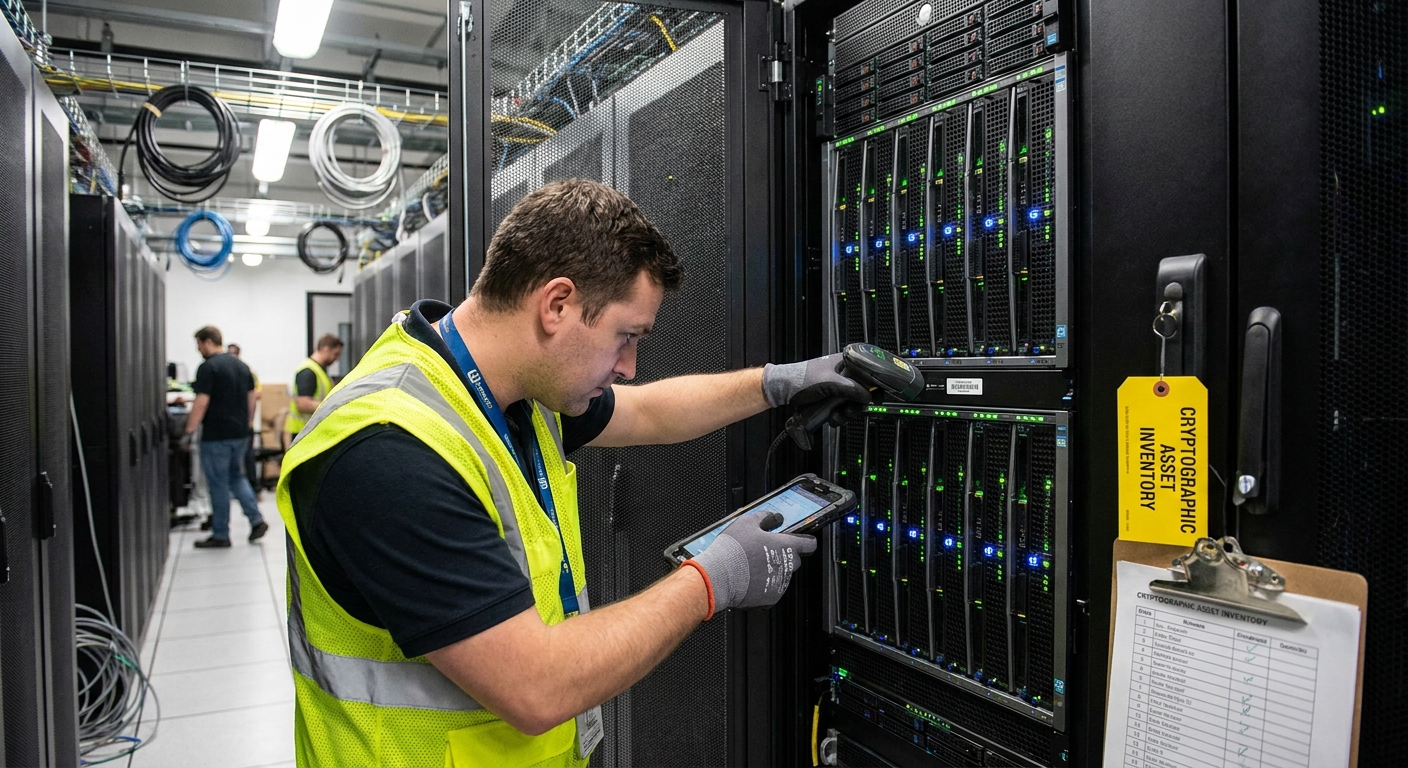
- Discovery: You can’t protect what you can't see. You need a total inventory of every piece of hardware, software, and cloud endpoint using classical encryption.
- Planning: Don't just dive in. Build a phased strategy that uses pilot tests to see how these new, heavier algorithms impact your network performance.
- Continuous Intelligence: The threat landscape is moving fast. Keep your policies fluid so you can pivot as new standards or vulnerabilities come to light.
- Automation: Manual configuration is the enemy of security. Use policy-driven tools to deploy quantum-resistant certificates at scale.
Hardening the Hardware
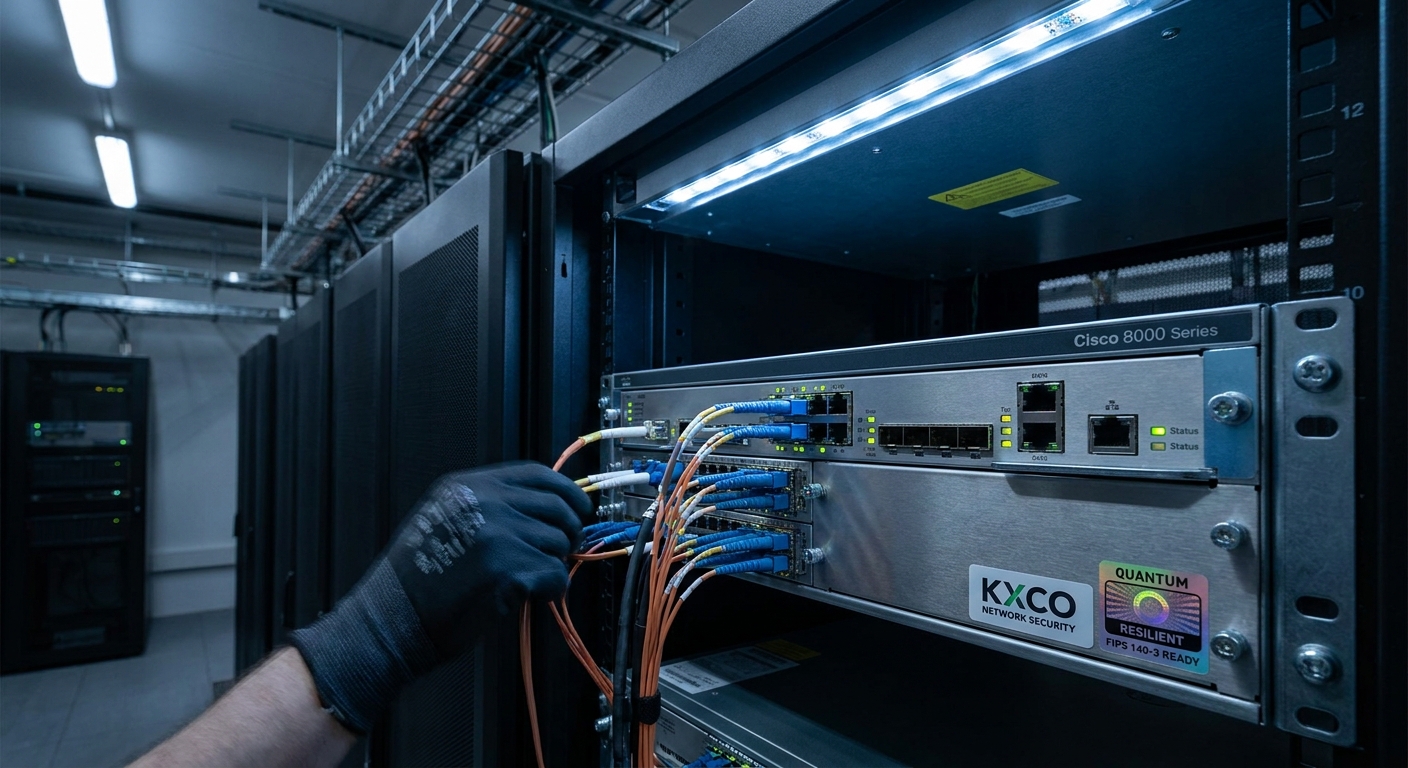
The private sector is finally catching up, baking quantum resilience directly into the silicon. We’re seeing a surge in software-defined wide area networking (SD-WAN) gear that features quantum-resilient encryption and secure boot capabilities. These aren't just patches; they are fundamental shifts in how data in transit is protected, ensuring that even if a packet is intercepted, it remains a locked box for any future quantum adversary.
| Capability | Objective | Primary Benefit |
|---|---|---|
| Discovery | Inventory of all PKI/TLS assets | Visibility into vulnerable endpoints |
| Pilot Execution | Testing PQC algorithm performance | Minimizing operational disruption |
| Automated Policy | Centralized certificate lifecycle management | Reduction of human error |
| NIST Compliance | Adherence to FIPS 203, 204, 205 | Regulatory and security alignment |
The Road Ahead
Government directives, such as the White House memorandum on migrating to post-quantum cryptography, have set the pace. While these rules target federal agencies, they effectively dictate the standard for the entire private sector. If you’re holding long-lived data, you are already behind if you haven't started your inventory.
For organizations like KXCO, the challenge is balancing the heavy computational load of these new algorithms against the need for high-speed performance. This isn't a "one-and-done" upgrade. It’s an iterative, long-term process. As the ecosystem matures and TLS protocols evolve, we will be refining these integrations for years to come.
Ultimately, the quantum threat is a problem of scale. It’s messy, it’s complex, and it’s expensive. But by prioritizing crypto-agility and leaning into automated management, companies can clear the 2026 hurdles. We are witnessing the convergence of NIST-certified standards and enterprise-grade hardware, and for those who act now, the risk of a quantum-enabled breach drops from an inevitability to a manageable variable.