Microsoft Sets 2029 Deadline for Enterprise Transition to Post-Quantum Cryptographic Standards


TL;DR
- Microsoft pulls forward PQC transition deadline from 2033 to 2029.
- New mandate aligns enterprise ecosystems with global quantum-safe standards.
- Focus shifts to network cryptography, crypto-agility, and modernized trust chains.
- Action aims to prevent 'harvest now, decrypt later' quantum attacks.
The clock just started ticking a whole lot faster. Microsoft has officially pulled the plug on its original 2033 timeline for post-quantum cryptography (PQC), moving the goalposts to 2029. Why the sudden rush? Because cryptographically relevant quantum computers—the machines that could theoretically crack our current security standards like a walnut—are evolving faster than anyone expected.
This isn't just a corporate policy shift; it’s a recognition that the "quantum threat" is no longer a sci-fi talking point. It’s a looming reality. By baking these new requirements into the Secure Future Initiative, Microsoft is effectively telling its enterprise customers that the time for "wait and see" is over. They’re hardening their entire ecosystem, from cloud services to enterprise software, against the inevitable day when current encryption becomes obsolete.
They aren't acting in a vacuum, either. Agencies across the U.S. and France are already pushing for quantum-safe standards by 2030. Microsoft is simply aligning with the inevitable, joining the ranks of Google and Cloudflare in a mad dash to adopt algorithms that can actually withstand a quantum-based attack.
The Three Pillars of the Quantum-Safe Shift
Moving to post-quantum cryptography isn't as simple as flipping a switch or updating a piece of software. It’s a ground-up overhaul of how we handle digital trust. Microsoft has broken this gargantuan task down into three engineering priorities:
- Upgrading Network Cryptography: The goal here is to get everyone on TLS 1.3 and protocols that support quantum-resistant key exchanges. If we don’t, we leave the door wide open for "harvest now, decrypt later" attacks—where bad actors steal encrypted data today, waiting for the day they have the hardware to unlock it.
- Building Crypto-Agility: This is the industry’s new favorite buzzword, but it’s vital. Crypto-agility means designing systems that can swap out cryptographic algorithms without requiring a total infrastructure teardown. It’s the difference between being flexible and being a sitting duck.
- Modernizing Trust Chains: We have to rethink our Public Key Infrastructure (PKI). If our foundational trust mechanisms—the things that verify your identity and ensure your software updates aren't malicious—can be cracked by a quantum computer, the whole house of cards falls down.
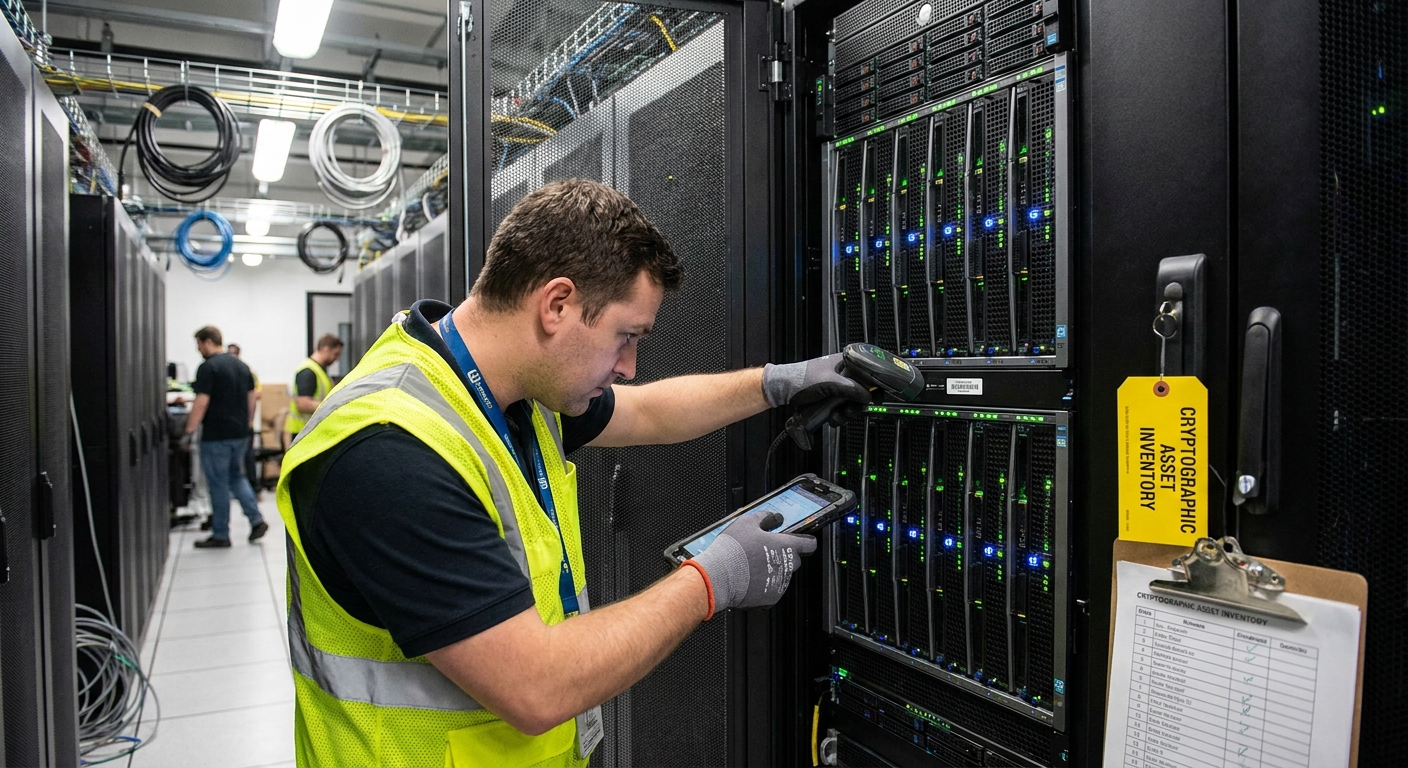
Mark Russinovich, CTO of Microsoft Azure, has been blunt about the reality of this transition: it’s massive, it’s complex, and it’s going to take time. If you wait until 2029 to start, you’ve already lost. He’s urging organizations to start by building a cryptographic inventory—essentially, mapping out exactly where your vulnerabilities lie before the panic sets in.
Getting Enterprise-Ready
The technical overhead here is staggering. Cryptography is woven into the very fabric of our hardware, software, and network protocols. You can't just patch it and walk away. Microsoft is pushing a phased approach, providing a roadmap that mirrors their own internal migration.
| Focus Area | Objective | Implementation Strategy |
|---|---|---|
| Inventory | Identify current crypto usage | Catalog all assets and dependencies |
| Agility | Enable algorithm swapping | Modularize cryptographic implementations |
| Standardization | Adopt NIST-approved PQC | Transition to quantum-resistant algorithms |
By integrating these requirements into the Secure Future Initiative, Microsoft is trying to turn a vague, terrifying threat into a series of measurable, actionable tasks. Security is finally being treated as a foundational engineering requirement rather than an afterthought tacked on at the end of a development cycle.
This shift marks a turning point in the global IT landscape. As Microsoft advances quantum-safe security, the industry is moving from theoretical research into the "boots on the ground" phase of engineering. The 2029 deadline is a wake-up call.
For the average enterprise, the path forward is clear, even if it’s difficult: audit your assets, find your weak spots, and start moving. If you rely on algorithms that are vulnerable to quantum decryption, your data is already at risk—even if it looks perfectly safe today.
The Quantum Safe Program (QSP) is essentially an admission that quantum computing has officially left the lab. It’s no longer a "what if" scenario; it’s a "when." The winners of the next decade will be the organizations that can navigate this transition without breaking their digital infrastructure. The losers? They’ll be the ones who didn't take the 2029 deadline seriously.