Nasscom Report Outlines 2026 Enterprise Zero Trust Maturity Models for AI-Driven Security Operations


TL;DR
- Zero Trust AI architectures are replacing static, perimeter-based security defenses.
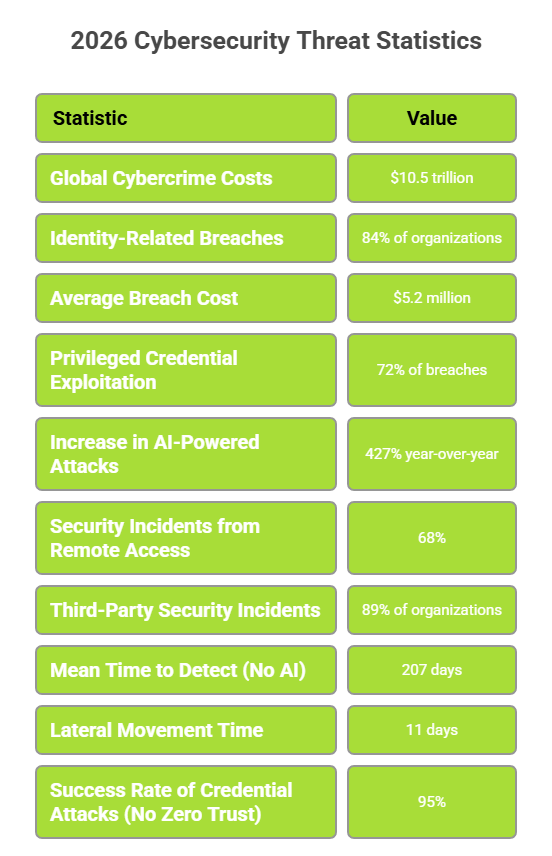
- AI-driven monitoring is essential to counter the 427% surge in cyberattacks.
- Modern maturity models prioritize automation over manual compliance checklists.
- Organizations failing to adopt Zero Trust face 38% higher breach costs.
- Continuous, risk-weighted security is now critical for protecting enterprise assets.
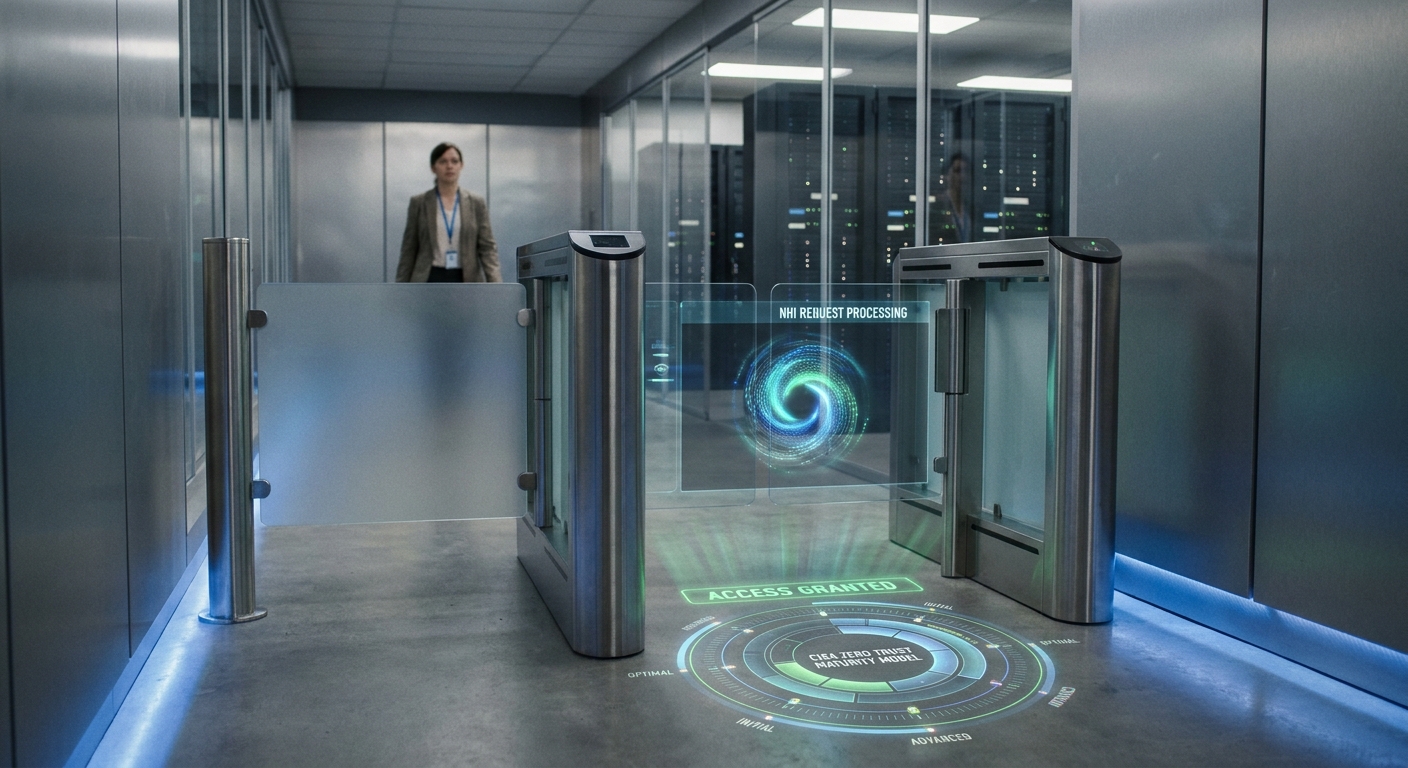
The enterprise security playbook is being rewritten in real-time. With AI-powered cyberattacks surging by 427% year-over-year, the old-school perimeter defense—once the gold standard—is looking less like a fortress and more like a screen door in a hurricane. Hybrid and multi-cloud environments are too complex for static defenses. Today, the industry is pivoting hard toward Zero Trust AI architectures. It’s no longer just about "keeping the bad guys out"; it’s about accepting that the bad guys are already knocking and using AI to spot them before they can do real damage.
We are witnessing the death of the "point-in-time" security assessment. For years, companies relied on quarterly checklists to prove they were secure. That’s a relic. Modern security leaders are trading those static audits for continuous, AI-driven monitoring that chews through logs, configurations, and telemetry in the blink of an eye. By shifting to risk-weighted programs, teams can finally stop chasing compliance ghosts and start fixing the vulnerabilities that actually threaten the bottom line.
The Escalation of Cyber Threats in 2026
The math behind modern cybercrime is grim. Global costs hit $10.5 trillion in 2026, a staggering number fueled by the rapid, often reckless integration of autonomous AI tools into daily business operations. When you expand your attack surface with generative AI, you’re essentially handing the keys to the kingdom to anyone who knows how to exploit it.
The performance gap between the prepared and the unprepared has never been wider. A data breach now carries an average price tag of $5.2 million—a figure that jumps by 38% if your enterprise hasn't fully embraced Zero Trust. Even more telling is the identity crisis: 84% of organizations suffered identity-related breaches in 2025. This is why "never trust, always verify" isn't just a catchy slogan anymore; it’s the only way to keep the lights on.
Evolving Maturity Models
Traditional cyber maturity models are struggling to stay relevant. They simply aren't built for the velocity of AI-driven threats. As noted in ISACA’s 2026 industry news series, we need a fundamental re-evaluation of Zero Trust principles to account for the unique, messy vulnerabilities that come with AI integration.
The new standard for 2026 is about automation. It’s about mapping security gaps directly to international benchmarks without manual intervention. Tools like the CyberMaturity Index™ are gaining traction because they translate technical jargon into executive-ready metrics. It’s a shift from "how many patches did we install?" to "how much risk did we actually reduce?"
Strategic Components of AI-Driven Security
Moving to a mature Zero Trust environment isn't a "flip the switch" operation. It requires a total rethink of infrastructure. The organizations winning this fight are focusing on four core pillars:
- Continuous Telemetry Analysis: Stop waiting for a monthly audit. Real-time analysis of system logs and network configurations is the only way to catch anomalies while they’re still small.
- Risk-Weighted Remediation: AI should be doing the heavy lifting here, ranking vulnerabilities based on business impact. If a bug doesn't threaten core operations, it shouldn't be the top priority.
- Automated Compliance Mapping: Keeping up with NIST, ISO 27001, and CMMC 2.0 is a full-time job. Automation ensures your security posture is audit-ready every single day, not just on the day the auditors arrive.
- Identity-Centric Defense: Since identity is the new perimeter, strict verification protocols are non-negotiable. If you can't prove who—or what—is accessing your data, you’ve already lost.
The Shift in Operational Reality
| Feature | Traditional Maturity Models | AI-Driven Maturity Models |
|---|---|---|
| Assessment Frequency | Periodic / Point-in-time | Continuous / Real-time |
| Data Utilization | Historical/Static logs | Real-time telemetry & logs |
| Remediation Priority | Compliance-based | Risk-weighted/Business-impact |
| Breach Mitigation | Reactive | Predictive/Proactive |
Operationalizing Security Maturity
Operationalizing these models requires breaking down the silos that have plagued IT departments for decades. Many firms are now turning to cybersecurity maturity assessments to get a cold, hard look at where they stand. Often, this includes bringing in virtual CISO services to translate complex security requirements into actual business strategy.
This isn't just a tech upgrade; it’s a structural revolution. Companies that bake security into the fabric of their operational data are reporting a 76% drop in successful breaches. That’s not a rounding error—that’s a massive competitive advantage. By combining Zero Trust with AI, you can finally see the malicious patterns hidden in the noise of massive data streams.
Future-Proofing the Enterprise
As we look toward the end of 2026, the question isn't whether AI will disrupt your security model, but how quickly you can adapt. The era of the "set it and forget it" security posture is dead. The future belongs to dynamic, self-adjusting systems that treat every single interaction—human or machine—as a potential risk.
By leveraging operationalized cyber maturity, enterprises can ensure their investments do more than just check a box; they become a genuine bulwark against a hostile digital landscape. In the end, adopting these models isn't just about outsmarting the hackers. It’s about survival. As the costs of failure continue to climb, moving to an AI-integrated Zero Trust architecture is no longer a "nice-to-have"—it is the baseline requirement for staying in business.