Post-Quantum AI Infrastructure Security: A Blueprint for Quantum-Resistant MCP Architectures

TL;DR
- ✓ Learn why AI context is a primary target for future quantum decryption attacks.
- ✓ Understand the risks of using standard transport protocols in enterprise agentic environments.
- ✓ Discover strategies to mitigate the Confused Deputy problem within MCP tool-calling interfaces.
- ✓ Implement quantum-resistant security measures to future-proof your sensitive AI infrastructure.
The Model Context Protocol (MCP) has become the connective tissue of the enterprise AI stack. It’s how your agents talk to databases, APIs, and internal tools. It’s slick, it’s fast, and it’s everywhere. But here’s the problem: our security posture is stuck in the past. We’ve moved from experimental side projects to agentic production, yet we’re still protecting these high-value pipelines with protocols that are effectively sitting ducks.
As these agents handle more sensitive data, they leave behind a long-lived trail of information. This is the playground for the "Harvest Now, Decrypt Later" (HNDL) threat. To stop this before it starts, architects need to stop treating TLS like a silver bullet and start building for a quantum-resistant future. You can find the framework for this shift in our Quantum-Resistant MCP Security Guide.
The "Harvest Now, Decrypt Later" Threat: Why AI Context is a High-Value Target
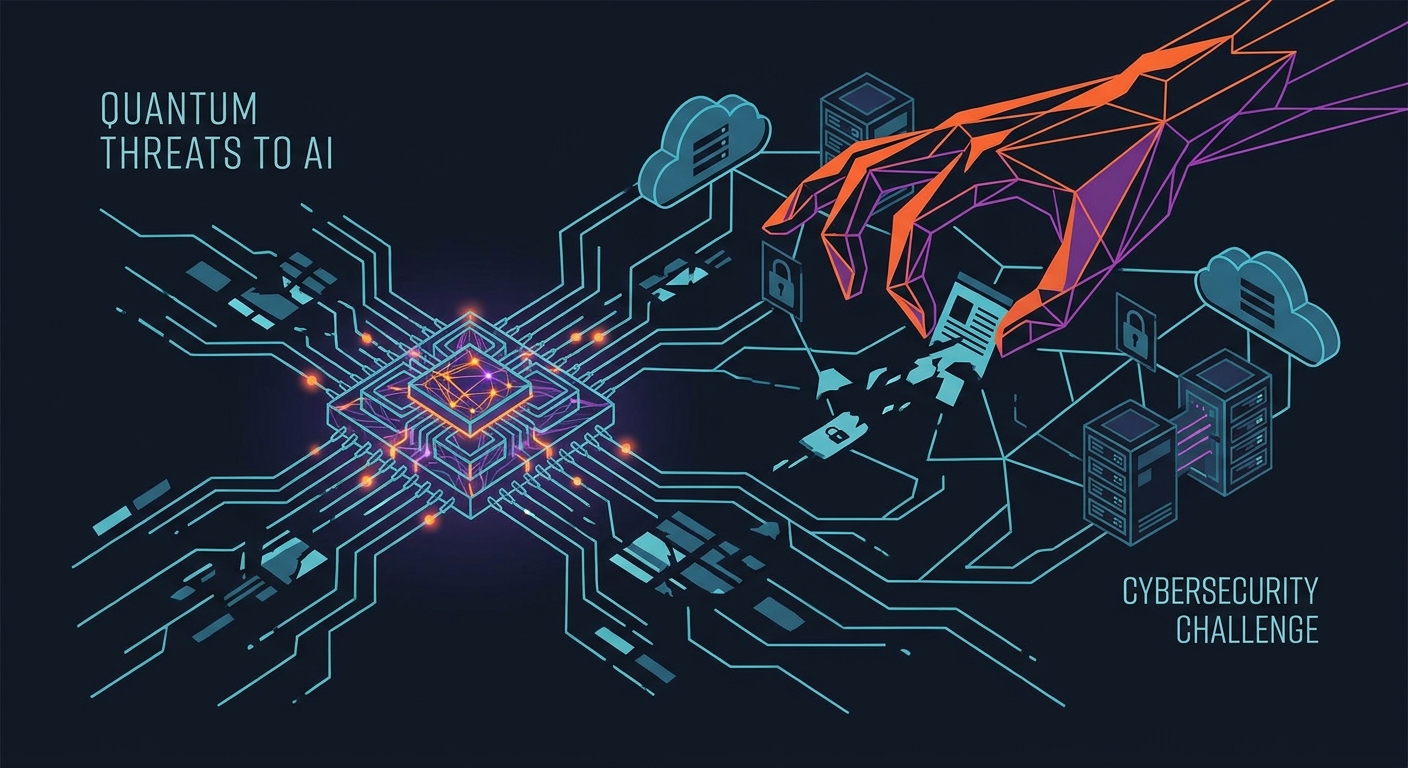
HNDL isn't some sci-fi nightmare reserved for academic journals; it’s a strategic reality. Right now, adversaries are scraping and storing encrypted traffic from AI infrastructure. They aren't trying to crack it today. They’re betting that in a few years, cryptographically relevant quantum computers will make that encryption look like a screen door in a hurricane.
Traditional web traffic usually dies after a few minutes. AI context? That’s different. It contains proprietary code, PII, and long-term strategic planning documents. It stays sensitive for years. According to recent Cloud Security Alliance AI infrastructure research, this creates a "future-dated" liability. If your MCP traffic is running on RSA or ECDH, you’re basically handing your secret sauce to a future attacker on a silver platter. Agentic sessions—the heavy lifting of your enterprise—are the biggest targets on the board.
The Anatomy of an MCP Breach: Beyond Prompt Injection
Everyone talks about prompt injection, but that’s just the tip of the iceberg. The real danger is the "Confused Deputy" problem. Imagine an agent with elevated permissions being tricked into running a tool it shouldn't. In an MCP environment, this is dangerous enough, but the transport mechanism often makes it worse.
STDIO (Standard Input/Output) transports are great for local dev, but they lack the granular authentication you need for a true zero-trust environment. Switch to remote network transports, and you’re suddenly vulnerable to man-in-the-middle attacks if your encryption is weak. You need to look at the OWASP AI Security Project to see how these tool-calling interfaces are getting weaponized. Without strict validation of who—or what—is pulling the strings, your agent is just a puppet.
How to Architect a Quantum-Resistant MCP Infrastructure
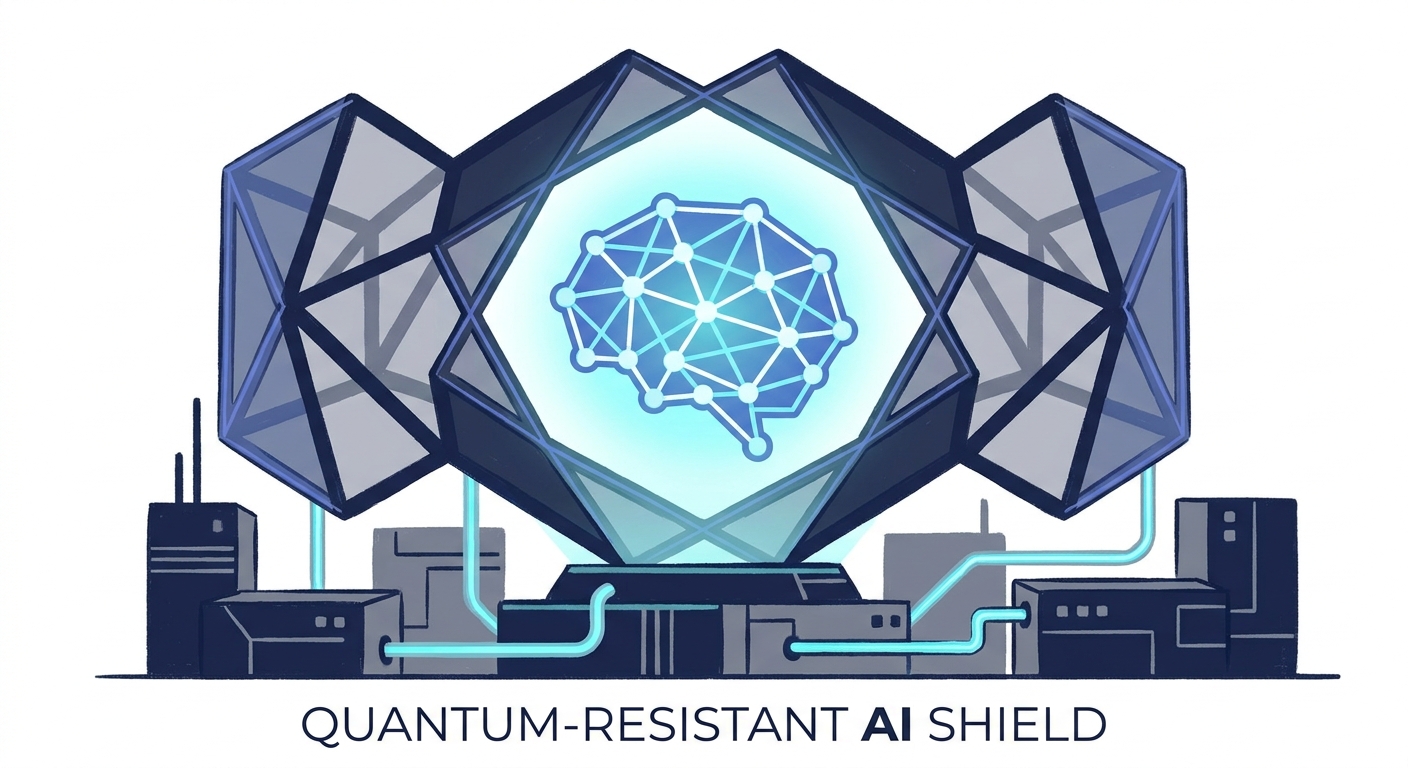
We need to stop relying on direct, peer-to-peer connections. It’s time for a centralized, policy-enforced model. The fix is an MCP Gateway. Think of it as a cryptographic buffer. It decouples the agent from the server, wrapping every interaction in quantum-resistant encryption.
By dropping a gateway into the path, you finally have an enforcement point for Zero-Trust. The gateway handles the heavy lifting of PQC algorithms, ensuring that even if someone manages to intercept your traffic, all they’ll see is gibberish.
Foundational Pillars of PQC Implementation
You can't just slap a "quantum-safe" sticker on your servers and call it a day. You need to address three specific pillars:
- Identity: It has to be cryptographically verifiable. Every handshake needs a certificate that isn’t going to fold the moment a quantum computer shows up.
- Authorization: Stop using binary "yes/no" access. You need granular, policy-based control where the gateway checks the intent of the tool call against a security policy.
- Encryption: This is where the magic happens. We’re moving to NIST-standardized algorithms. We’re talking CRYSTALS-Kyber for key encapsulation and Dilithium for digital signatures, as discussed in the NIST Post-Quantum Cryptography Standardization project.
Technical Deep Dive: Migrating to Quantum-Safe Standards
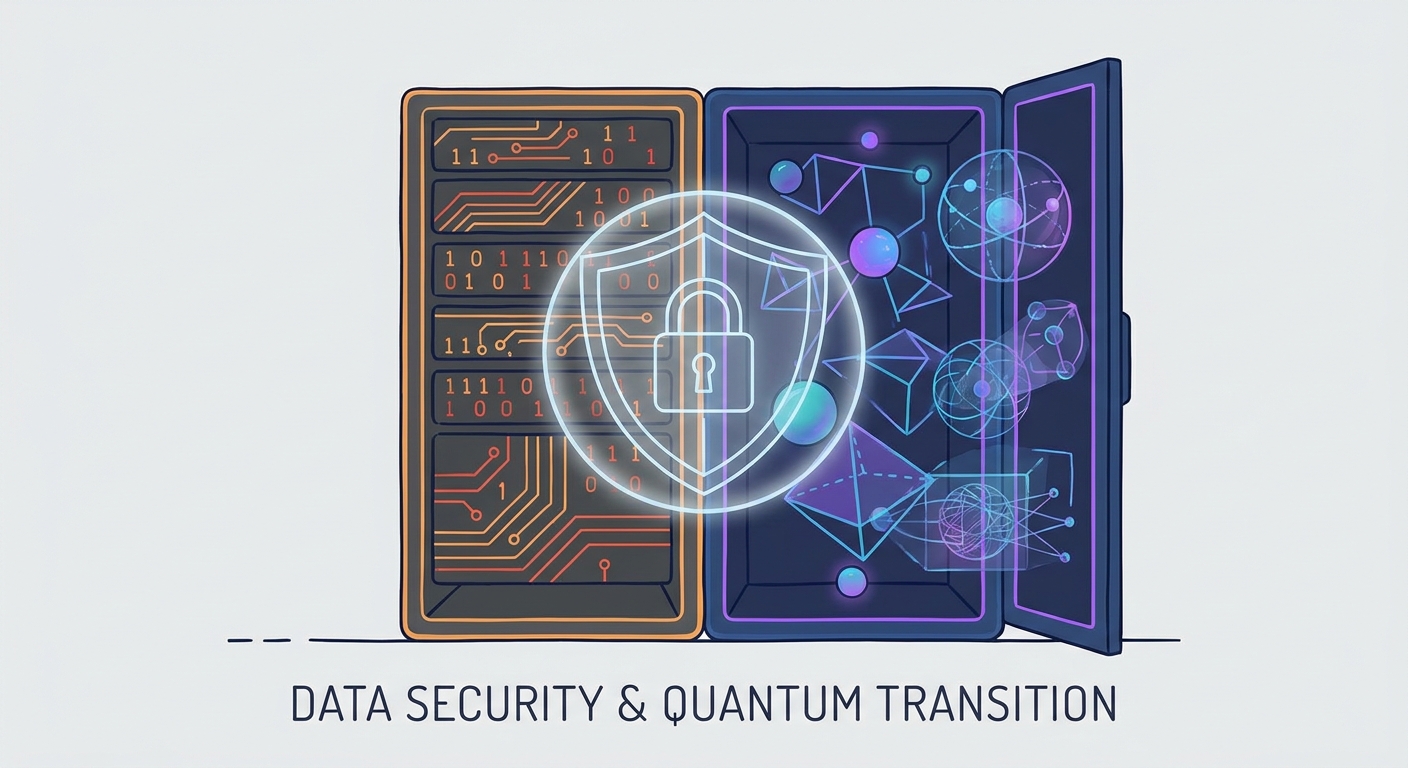
Do you have to tear everything down and start over? Absolutely not. You don't need to rewrite your agentic logic. You just need to encapsulate your transport in a quantum-safe tunnel. Focus on the handshake. A hybrid approach—using classic Elliptic Curve Diffie-Hellman alongside something like Kyber—keeps you secure against today's threats and tomorrow's quantum adversaries.
If you’re worried about how to rotate keys in this new world, check out our PQC Key Management guide. It breaks down how to keep forward secrecy alive in a post-quantum world.
The Shadow MCP Audit: Discovering Unmanaged Infrastructure
Before you secure your house, you have to find all the doors. Many companies have "Shadow MCP"—developers spinning up local servers for testing that are now accidentally talking to production agents.
You need to scan your network for those specific MCP handshake patterns. Build a "Secure-by-Design" inventory. If a server isn't registered with your central gateway, it shouldn't be allowed to talk to your agents. Period.
Compliance Mapping: Aligning with Sovereign AI Frameworks
This isn't just about being paranoid; it’s about compliance. Sovereign AI frameworks, FedRAMP, and NATO-aligned initiatives are all moving toward requiring quantum-safe communication. If you get ahead of this now, it’s a competitive advantage. You’re telling your stakeholders that your infrastructure isn't just secure for today—it’s built to survive the next decade.
Conclusion: Moving from "Patching by Necessity" to "Secure by Design"
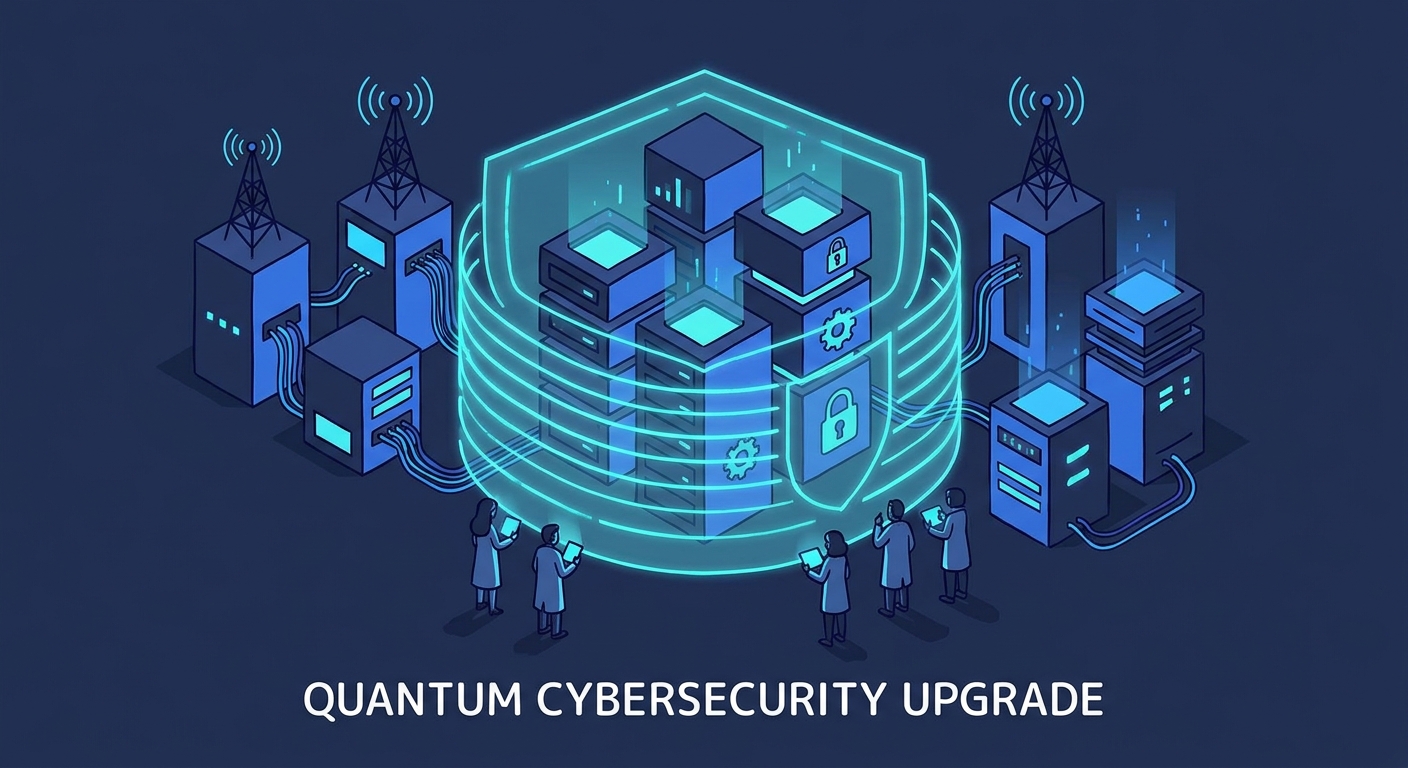
Transitioning to quantum-resistant infrastructure is a fundamental shift in how we build. It’s not a one-time patch. By moving to gateway-enforced architectures and adopting NIST-standardized PQC, you’re insulating your organization against the HNDL threat. Audit your MCP landscape, get your traffic behind a gateway, and harden your encryption. The longevity of your AI context—and your company's intellectual property—depends on it.
Frequently Asked Questions
How does the Model Context Protocol (MCP) increase the risk of quantum-enabled data breaches?
MCP creates a persistent stream of sensitive context data between agents and tools. Because this data is often stored or transmitted using classical encryption, it is susceptible to HNDL attacks where adversaries capture current traffic to decrypt it once quantum computing capabilities advance.
What is 'Harvest Now, Decrypt Later' and why is it a unique threat to AI agentic workflows?
HNDL is an attack where encrypted data is intercepted today, with the intent of decrypting it later using superior computing power. It is uniquely dangerous for AI because agentic sessions often contain long-term strategic, proprietary, or PII-heavy data that retains its value long after the initial session ends.
Can current MCP implementations be made quantum-resistant, or do they require a complete overhaul?
They do not require a complete rewrite. By introducing a gateway that acts as a PQC-compliant wrapper, you can secure existing MCP channels without breaking the underlying agent logic or tool definitions.
What are the primary security differences between local and remote MCP server hosting?
Local hosting is often easier to manage but lacks centralized policy enforcement, making it susceptible to unauthorized access. Remote hosting requires robust transport security; if that transport relies on non-quantum-resistant TLS, it is inherently vulnerable to interception.
How do PQC algorithms like CRYSTALS-Kyber differ from standard TLS encryption?
Standard TLS often relies on RSA or Elliptic Curve mathematics, which quantum computers can solve efficiently. CRYSTALS-Kyber uses lattice-based cryptography, which is mathematically resistant to the algorithms (like Shor’s algorithm) that quantum computers use to break classical encryption.