Top 5 Quantum-Resistant Cryptographic Algorithms for AI Infrastructure in 2026

TL;DR
- ✓ Learn how to defend AI infrastructure against Harvest Now Decrypt Later quantum threats.
- ✓ Discover the five NIST-approved cryptographic algorithms essential for quantum-safe AI operations.
- ✓ Understand the specific security challenges posed by the Model Context Protocol in AI.
- ✓ Balance quantum-resistant encryption with the performance needs of latency-sensitive AI agents.
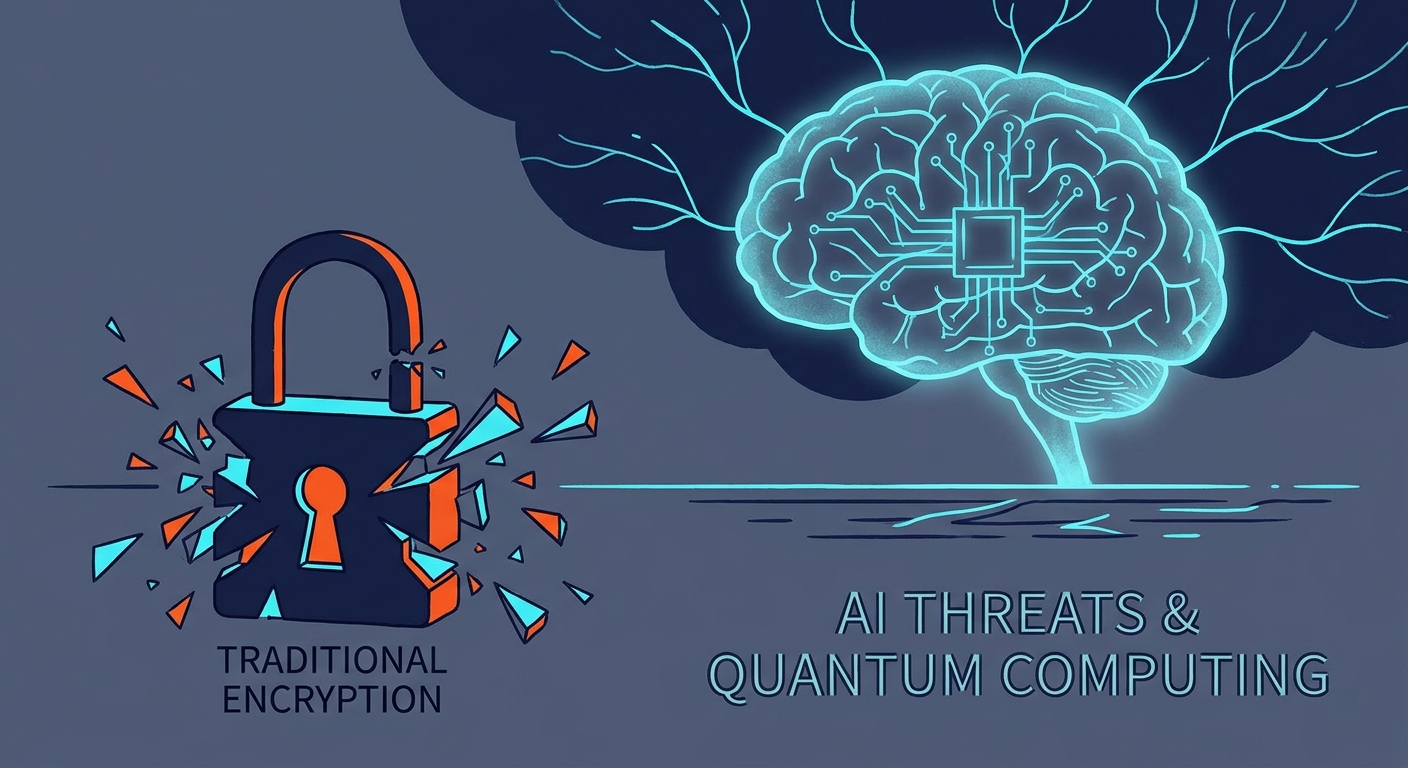
The era of classical encryption is hitting a wall. If you’re running AI infrastructure, the clock isn't just ticking—it’s racing. By 2026, the "Harvest Now, Decrypt Later" (HNDL) threat has graduated from a spooky academic whitepaper to a genuine operational nightmare.
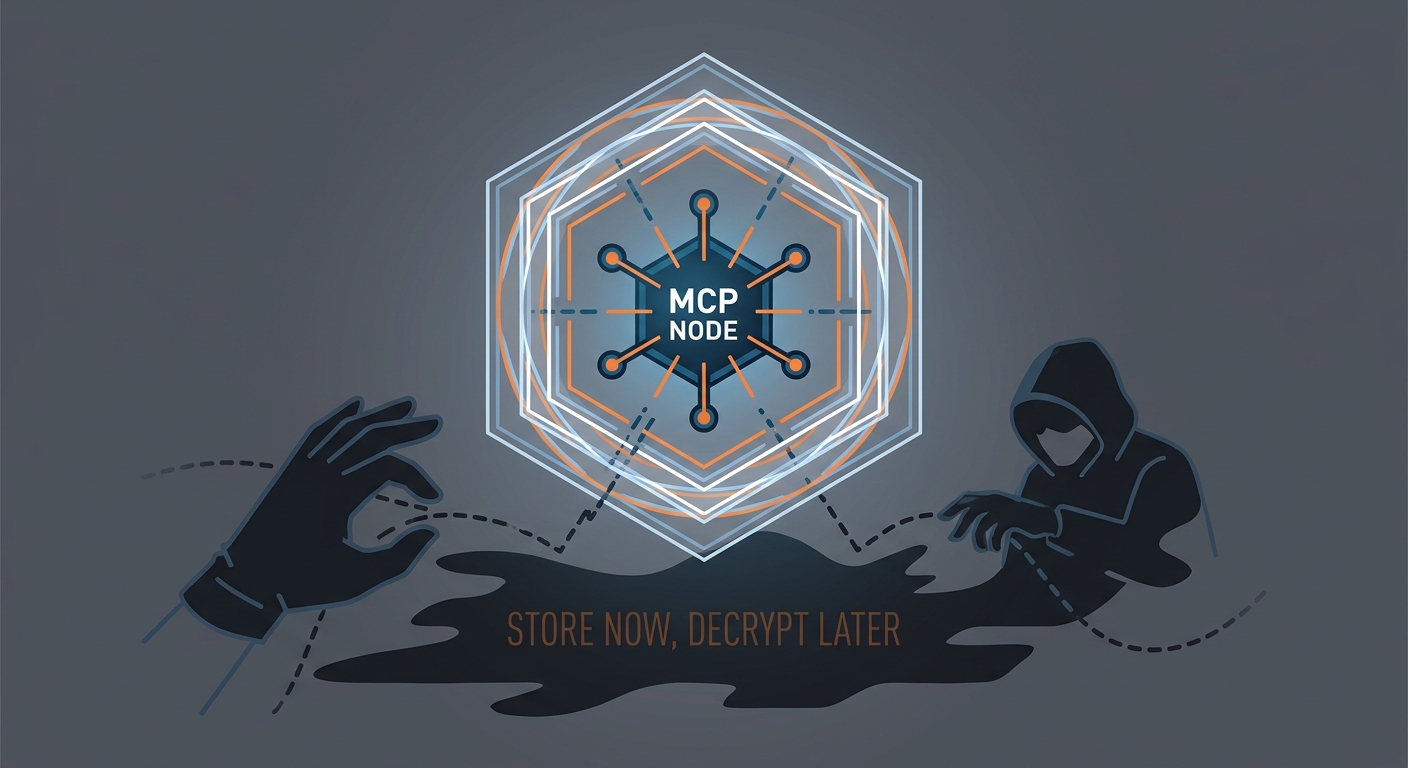
Bad actors are vacuuming up high-value AI training datasets and proprietary model weights right now. They aren't trying to crack them today; they’re hoarding them, waiting for the day a cryptographically relevant quantum computer (CRQC) finally comes online. If your AI stack is still leaning on RSA or ECC to protect data-in-transit, you’re basically leaving your company’s crown jewels in an unlocked shed. For those of us building at the edge of the Model Context Protocol (MCP), switching to quantum-resistant cryptography isn't a "nice-to-have" feature. It’s the only way to keep your data sovereign in an agentic world.
1. The NIST Standardized Algorithms You Must Know
The "wait and see" phase is over. NIST has finally locked in their post-quantum standards. You can dig through the full NIST Post-Quantum Cryptography Standards if you want the heavy math, but for the architect on the ground, these five are your new frontline:
- ML-KEM (FIPS 203): Formally known as CRYSTALS-Kyber, this is your new workhorse. It’s the gold standard for key encapsulation and the foundation for secure, quantum-safe TLS handshakes.
- ML-DSA (FIPS 204): Formerly CRYSTALS-Dilithium. Use this for digital signatures. It strikes a great balance between performance and security, making it perfect for verifying model weights and internal API calls.
- SLH-DSA (FIPS 205): Based on SPHINCS+, this is a stateless hash-based signature scheme. It’s heavy on resources, but it’s the "in case of emergency" fallback if lattice-based math ever hits a snag.
- FN-DSA (Falcon): Ideal for edge devices. Its signatures are tiny compared to the others, which is a lifesaver when you’re dealing with bandwidth constraints or latency-sensitive AI clusters.
- XMSS/LMS: These are stateful hash-based signatures. They aren't flexible enough for general traffic, but they are the undisputed kings for securing firmware and static boot processes.
2. Why AI Infrastructure (Specifically MCP) Requires a Different PQC Approach
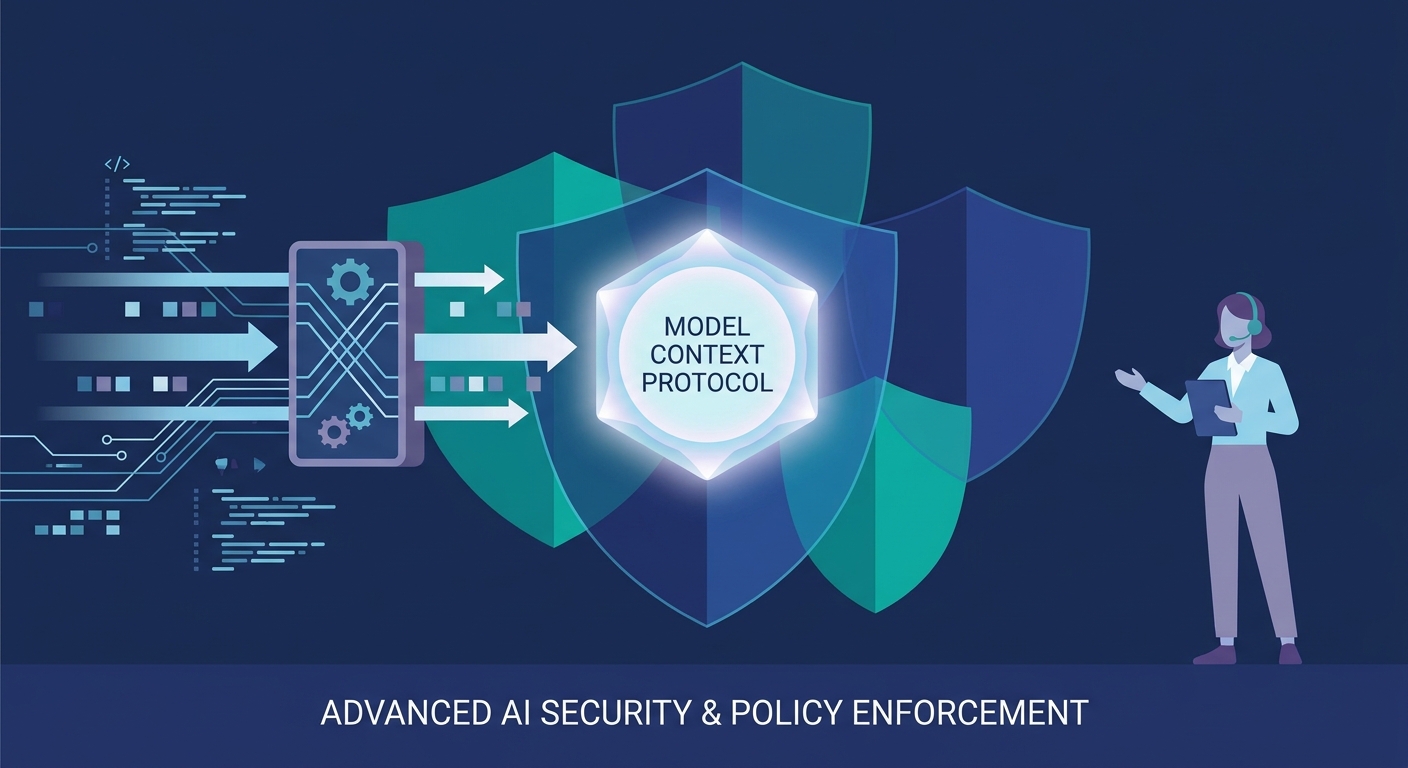
The Model Context Protocol (MCP) has completely shifted the goalposts. It enables lightning-fast, dynamic data exchange between LLMs and tools, but it also opens up a massive "Shadow MCP" attack surface—unmonitored, ad-hoc connections that skip right past your traditional firewalls.
Here’s the rub: PQC comes with a "cryptographic tax." If you layer complex lattice-based math over your existing TLS handshake, you’re asking for latency spikes. When an AI agent needs to pull context from a vector database in milliseconds, a sluggish, quantum-heavy handshake is a non-starter.
The challenge isn't just security; it’s keeping your inference pipeline moving. If you’re worried about these bottlenecks, check out our guide on how to build quantum-resistant infrastructure for Model Context Protocol deployments.
3. How Do You Implement Hybrid Cryptographic Schemes Without Breaking Performance?
Don't fall for the "Rip and Replace" trap. Trying to swap out your entire crypto stack overnight is a fast track to system crashes and massive security gaps. The smart way to do this in 2026 is the Hybrid Cryptographic Scheme.
You layer a classical algorithm (like ECDH) with a quantum-resistant one (like ML-KEM). You get the best of both worlds: the classical stuff keeps your compliance auditors happy and your performance tight, while the PQC layer acts as your "insurance policy." If the PQC standard turns out to have a flaw, your classical layer keeps the lights on. If a quantum computer drops, the PQC layer stops the breach. Want to see how to actually build this? Explore our step-by-step guide for building quantum-proof AI infrastructure in 2026.
4. What is Your Quantum Readiness Audit Checklist?
Don't just start patching things randomly. Migration is a surgical operation. You need to map your environment first.
Keep your internal milestones in line with the CISA Post-Quantum Cryptography Guidance to make sure you’re hitting national security benchmarks.
5. How Are Industry Leaders Securing the AI Ecosystem?
The big cloud players are already taking the heat off the rest of us. AWS, Cloudflare, and Azure are rolling out native support for hybrid TLS 1.3, handling the heavy lifting of PQC at the edge.
But don't get complacent. Protocol-level support isn't a silver bullet. The "Shadow AI" problem is real—teams are constantly bypassing secure gateways to hook agents into internal data. Authentication is the new battleground. By forcing quantum-safe authentication for every single MCP endpoint, leaders are making sure that even if a connection gets tapped, the identity of the agents remains verified and untouchable.
Conclusion: Future-Proofing Your AI Infrastructure
If you’re waiting for a real-world quantum computer to show up before you start upgrading, you’ve already lost. Your data—those hard-won training sets and proprietary fine-tuning weights—is being evaluated by adversaries right now. Adopt a posture of "crypto-agility." Make your architecture flexible enough to swap algorithms as the threat landscape shifts. Start with ML-KEM, prioritize hybrid deployments, and treat your MCP connections as the front door to your entire ecosystem. Lock it down.
Frequently Asked Questions
Are current encryption standards (RSA/ECC) completely broken in 2026?
No, they are not currently broken, but they are critically vulnerable to "Harvest Now, Decrypt Later" attacks. Sophisticated actors are capturing encrypted traffic today to decrypt it once a cryptographically relevant quantum computer (CRQC) is available.
What is the most important NIST algorithm to implement first for AI infrastructure?
ML-KEM (formerly Kyber) is the most critical starting point. As the primary choice for key encapsulation, it provides the most robust foundation for securing TLS connections within AI infrastructure.
How does the Model Context Protocol (MCP) change the security landscape?
MCP introduces dynamic, high-frequency communication paths between AI agents and external data sources. This expands the attack surface, requiring quantum-safe authentication and encryption at the protocol level to prevent unauthorized data access or model poisoning.
Can I use hybrid cryptography, or do I need to switch entirely to PQC?
Hybrid is the recommended industry approach for 2026. By layering PQC with classical algorithms, you ensure immediate compliance and provide a critical safety net if a specific PQC algorithm is discovered to have unforeseen vulnerabilities.