Lattice-based Cryptographic Integration for MCP Transport Layers

TL;DR
- This article explores integrating lattice-based cryptography into Model Context Protocol transport layers to defend against quantum threats like harvest now, decrypt later. We cover NIST standards such as ML-KEM, technical implementation using liboqs, and how 4D security frameworks protect ai agents from tool poisoning. You will learn to build quantum-resistant p2p connectivity that scales without sacrificing low-latency ai performance.
The Looming Quantum Threat to MCP Data Streams
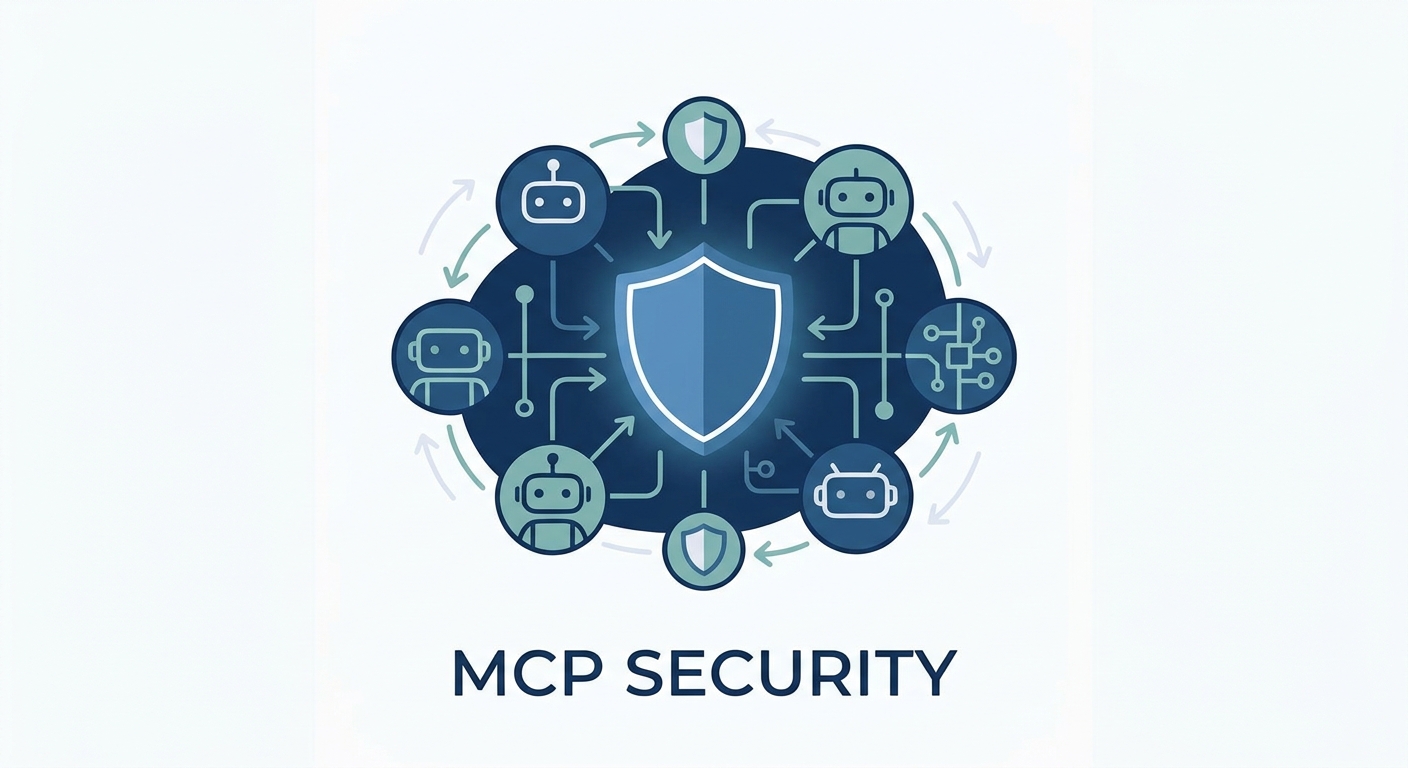
Ever feel like we’re just building sandcastles while the tide is coming in? That is basically where we are with ai security right now—especially with how we handle the Model Context Protocol (mcp). For those who haven't heard the buzz, mcp is an open standard that lets ai models swap data with external tools and data sources, basically acting as the "connective tissue" for agents.
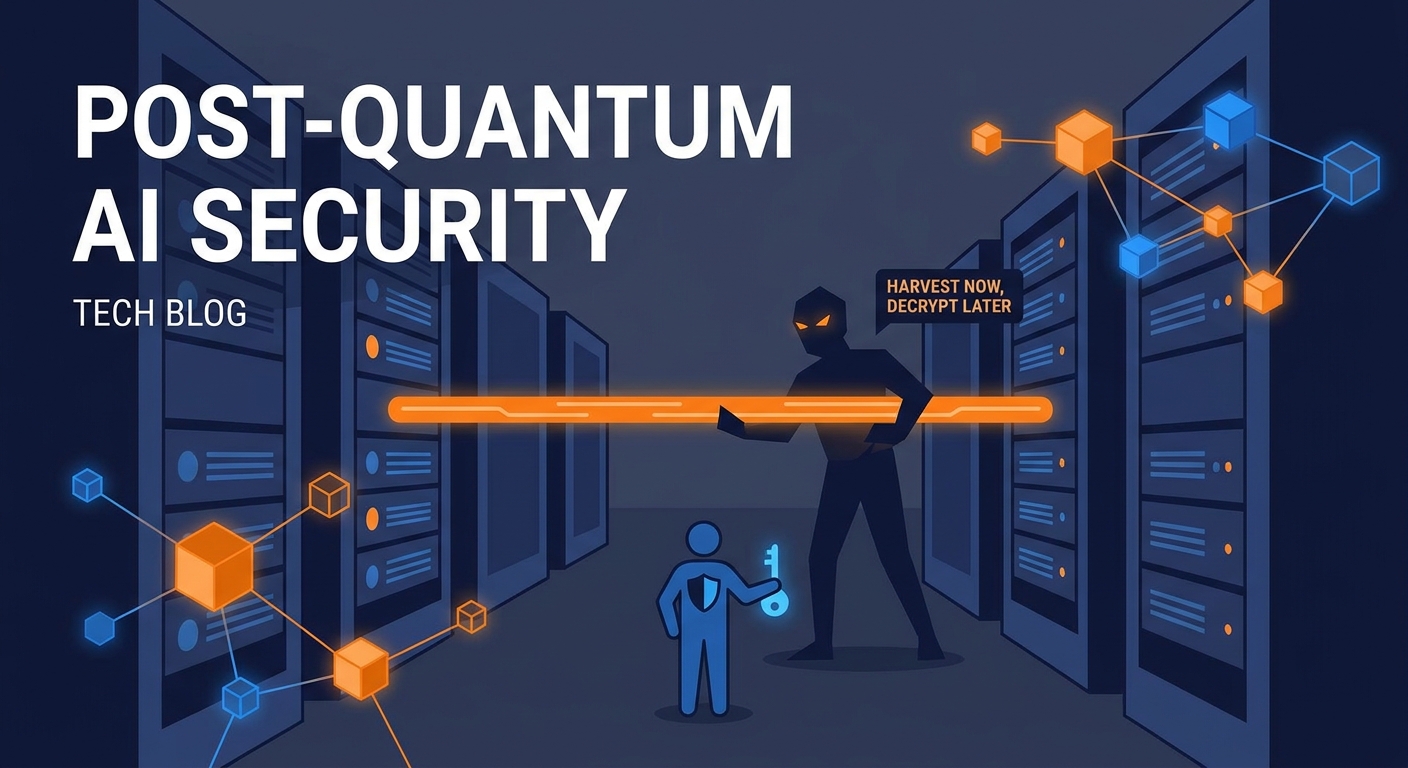
Bad actors out there aren't just trying to break into your systems today; they are literally hoovering up encrypted data streams and storing them in massive data centers. (AI Data Center PSA/WARNING:) They’re just waiting for a quantum computer to get big enough to run Shor’s algorithm. Once that happens, the math keeping our current rsa and ecc alive just falls apart like a cheap suit.
- The P2P Problem: mcp often relies on peer-to-peer connections to move sensitive context. If that transport layer uses "classic" crypto, it’s a sitting duck for future decryption.
- Data Longevity: Think about a healthcare app sending a patient’s full history as context to a medical ai. That data stays sensitive for decades, but quantum tech makes today's "secret" very temporary.
- The Math Gap: Most of our digital infrastructure is built on integer factorization. (Everything You Wanted To Know about Integer Factorization, but ...) Quantum computers can solve these problems within a feasible timeframe—efficiently enough to break the encryption we rely on.

It comes down to how hard the "puzzle" is for a computer to solve. Classical crypto relies on things like factoring huge numbers, which is tough for a normal laptop but easy for a quantum machine. Lattice-based problems, however, involve finding points in a multi-dimensional grid—a task that stays "exponentially" hard even for quantum solvers.
NIST Standards and the MCP Architecture Shift
So nist finally stopped dragging their feet and dropped the official "quantum-safe" standards last August. It feels like we’ve been waiting a lifetime, but having FIPS 203 and 204 finalized is a massive deal for anyone actually building mcp stuff.
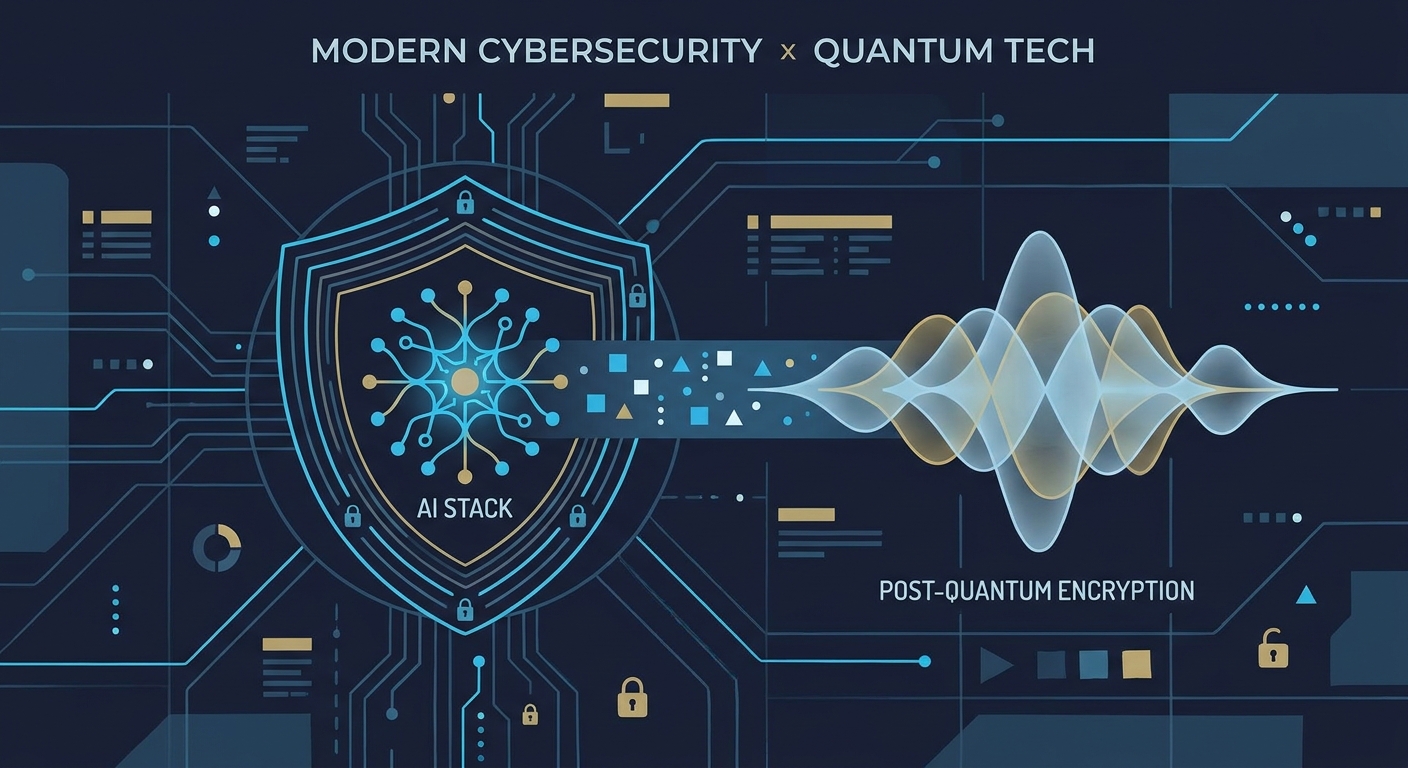
The real star here for transport security is ML-KEM (you might know it as crystals-kyber). If you’re building an ai agent that needs to talk to a server over mcp, this is what’s gonna handle the handshake. It’s snappy, which is a relief because nobody wants their ai context window taking forever to decrypt.
- Speed and Efficiency: ML-KEM is surprisingly fast. In fact, it can actually beat out old-school rsa in terms of handshake latency, making it perfect for real-time apps in retail or finance.
- Key Sizes: The tradeoff is "chonky" keys. While rsa-3072 uses 384 bytes, ML-KEM-768 jumps to 1184 bytes. It’s not a dealbreaker, but you gotta watch out for packet fragmentation on shaky p2p connections.
- The Handshake: It uses a Module-Lattice-Based mechanism so two parties can agree on a secret without a quantum computer eavesdropping on the whole thing.

Then there is ML-DSA (formerly crystals-dilithium), which handles the digital signatures. This is how your mcp client knows the data actually came from your trusted server and wasn't messed with by a man-in-the-middle. Think about a healthcare app syncing patient records; if the tool definition gets poisoned, the ai might send data to the wrong place. ML-DSA prevents that by verifying every server response is legit.
Honestly, it’s about moving toward a 4D Security Model. This isn't just a buzzword; it means securing the Identity (who is talking), the Transport (the quantum-safe tunnel), the Intent (what the ai is actually trying to do), and Time (protecting data against future decryption). We’re trying to avoid that "harvest now, decrypt later" trap.
Building a 4D Security House with Gopher Security
Honestly, just slapping some fancy math on an api isn't enough anymore because the threats are getting way weirder. We are seeing "puppet attacks" where someone manipulates model outputs to trigger tools they shouldn't even touch.
Gopher Security isn't just about locking the front door; it's about making sure the mcp transport layer actually understands the context it is moving. It wraps your deployment in a quantum-resistant blanket. While the lattice-based math (PQC) protects the data while it's moving, Gopher uses a Policy Engine to handle those application-layer logic attacks like puppet attacks.
- Post-quantum p2p integration: Instead of the old-school tls that's basically a ticking time bomb, this setup uses ML-KEM for the handshake between your mcp client and the server.
- Automating with openapi: Setting up mcp servers is usually a massive headache, but you can use openapi schemas to automate the whole thing so security is baked in from day one.
- Stopping tool poisoning: Advanced monitoring spots weird patterns in the p2p stream. The Policy Engine catches attackers trying to mess with the context before your model even executes a command.
- Granular policy engine: You can set strict limits on what a tool can actually do, like blocking a
process_refundcall if the amount looks suspicious or the "intent" doesn't match the user's history.

Technical Implementation of Lattice-based Transport
Implementing this stuff isn't exactly like flipping a light switch on a web server. When you start messing with the transport layer for mcp, you're basically swapping out the engine while the car is doing 80 on the highway.
Lattice-based encryption—specifically ml-kem—is the go-to for keeping these ai context streams safe, but it changes the "handshake" dance quite a bit. The first thing you’ll notice is that the handshake gets a little "heavier" because of those bigger keys. Most devs are using libraries like liboqs to handle the heavy lifting. Here is a simplified look at how an mcp client might initiate a quantum-safe session using a python wrapper.
from oqs import KeyEncapsulation

with KeyEncapsulation("Kyber768") as client:
    public_key = client.generate_keypair()
with KeyEncapsulation("Kyber768") as server:
    ciphertext, shared_secret_server = server.encap_secret(public_key)
shared_secret_client = client.decap_secret(ciphertext)
if shared_secret_client == shared_secret_server:
    print("Success! mcp transport is now quantum-safe.")
The decap_secret step is where things can get hairy. If the data was tampered with in transit—maybe some man-in-the-middle trying a puppet attack—the decapsulation will fail. You need solid error handling here so your ai agent doesn't just hang indefinitely or leak weird error traces.
As we've seen, ML-KEM is actually very fast—often beating out rsa—but those keys are "chonky." While a standard rsa-3072 key is around 384 bytes, ML-KEM-768 jumps to 1184 bytes. If you're running mcp over a shaky p2p connection, those larger packets can sometimes trigger fragmentation issues.
Figure 4: Performance metrics. The bars show that ML-KEM-768 has very low latency compared to RSA, but the line shows the significant increase in key size.
Access Control and Policy in a PQC World
So, you’ve got your pqc transport layer locked down with lattice math—great. But honestly, encryption is only half the battle; if your ai agent has the "keys to the kingdom" but no one’s checking what it actually does with them, you’re just inviting a faster, more secure disaster.
In an mcp environment, access control isn't just about who can connect, it is about what the model is allowed to "think" about doing once it’s inside. Traditional access control usually stops at the api gate. With mcp, we need to go deeper—down to the parameter level.
- Parameter-level restrictions: You gotta define exactly what values a tool can accept.
- Context-aware management: The system should look at the "intent." Is the model asking for patient records because of a medical query, or is it suddenly trying to scrape the entire healthcare database?
- Behavioral analysis: Even in encrypted streams, we can spot zero-day threats by watching the metadata and call patterns.

Roadmap for Post-Quantum AI Infrastructure
Transitioning to a post-quantum world isn't just about swapping out one library for another; it is about building a system that can handle a million requests per second without choking on those bigger lattice keys. If your mcp deployment can't scale, the best encryption in the world won't save your user experience.
- Phase 1: Audit and Discovery: Identify every mcp connection and tool in your stack. Determine which data has high "longevity" value (like health or financial records) that needs protection first.
- Phase 2: Hybrid Deployment: Start implementing "hybrid" handshakes. This keeps your current rsa/ecc compliance for today's auditors while layering ML-KEM on top to protect against future quantum threats.
- Phase 3: Full PQC and Policy Integration: Move to pure post-quantum transport and link it to a context-aware policy engine. This ensures that both the math and the logic of your ai tools are secured.
- Phase 4: Hardware Acceleration: For high-traffic ai hubs, offload these tasks to fpgas or asics to keep latency low as traffic scales.
In the end, securing mcp is about trust. Your users are handing over their most sensitive context—medical records, financial trades, private chats. If you don't bake in quantum resistance today, you're basically giving that trust an expiration date. Go check your transport layer, look at tools like the ones discussed earlier, and start moving. The future isn't waiting.