Step-by-Step: Transitioning Your AI Infrastructure to Post-Quantum Security Standards

TL;DR
- ✓ Protect sensitive AI data against the urgent Store Now Decrypt Later threat today.
- ✓ Secure your Model Context Protocol connections with hybrid quantum-resistant cryptographic frameworks.
- ✓ Move beyond legacy encryption to prevent future exfiltration of your proprietary AI traffic.
- ✓ Implement crypto-agile infrastructure to stay ahead of evolving quantum computing capabilities.
Forget the "future-proofing" jargon. Transitioning to post-quantum security isn't some distant academic exercise for the 2030s—it is a hard operational mandate for 2026. If you’re running AI at scale, you’re already in the crosshairs.
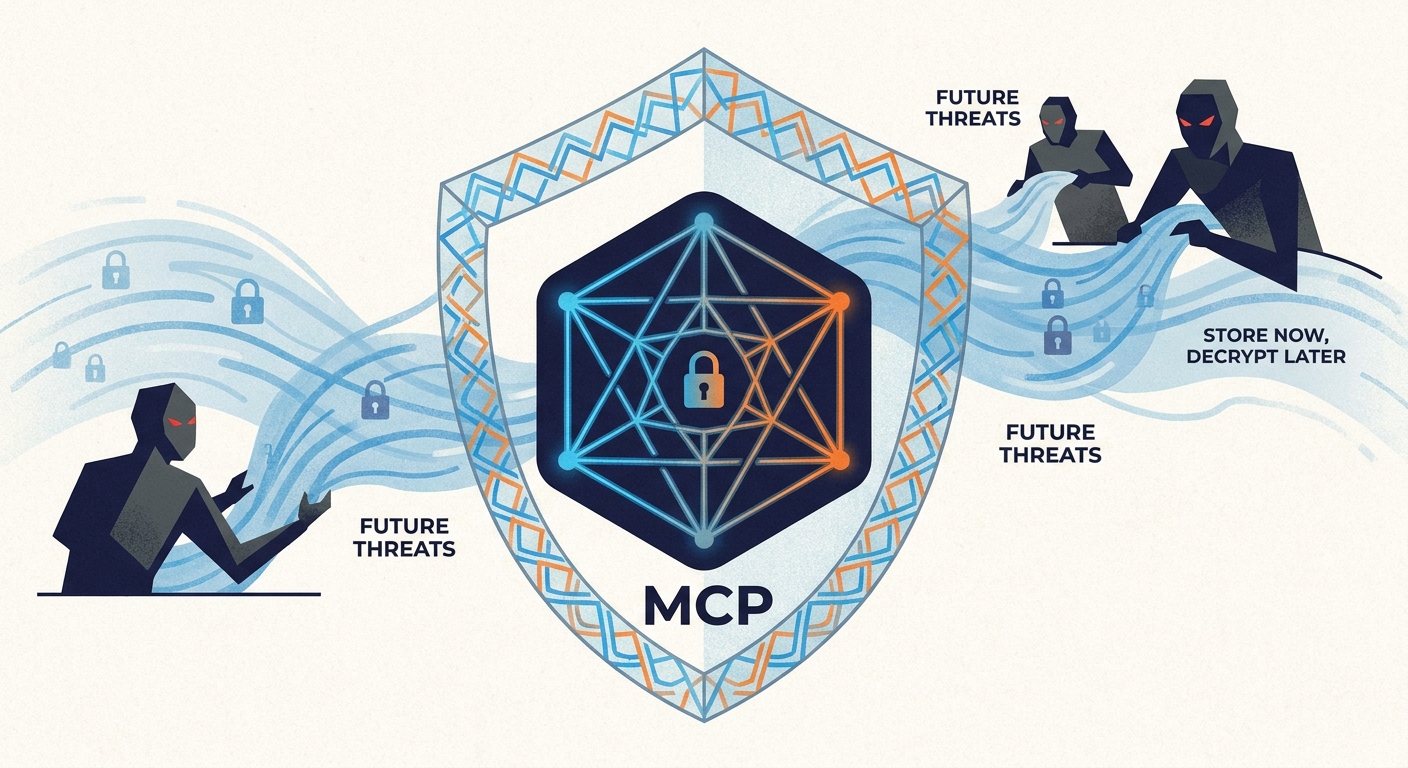
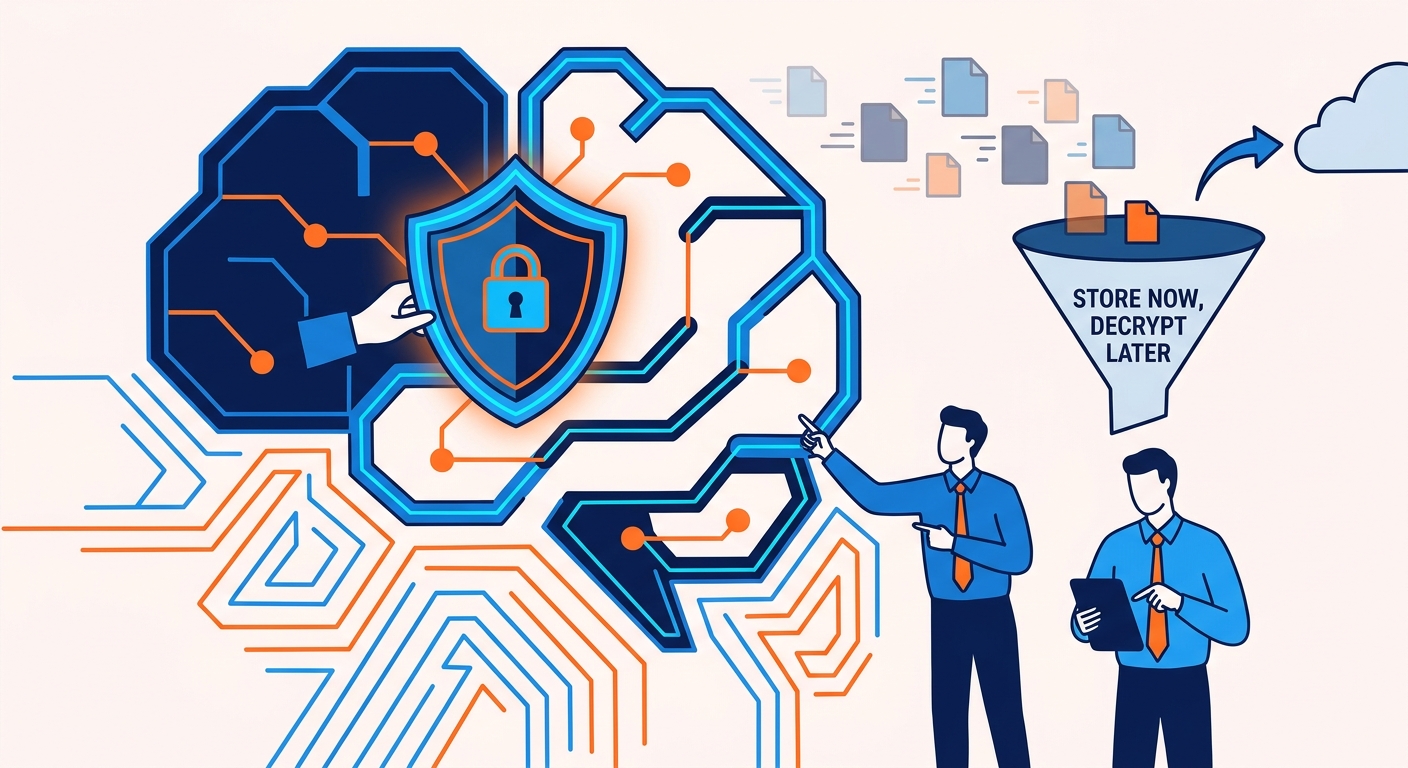
As we weave agentic workflows into the backbone of our businesses, the "Store Now, Decrypt Later" (SNDL) threat has morphed from a theoretical nightmare into a very real, very urgent problem. Adversaries are siphoning off your encrypted AI traffic today, waiting for the day they have the hardware to crack it. To survive, you have to move past legacy encryption. You need a hybrid, crypto-agile framework that wraps your Model Context Protocol (MCP) connections in genuine, quantum-resistant armor.
Why the "Store Now, Decrypt Later" Threat is a 2026 Emergency
The logic behind SNDL is chillingly simple: bad actors don’t need to break your encryption today. They just need to steal it. They’re vacuuming up high-value, encrypted packets and tucking them away in digital vaults. They’re playing the long game, waiting for the arrival of cryptographically relevant quantum computers (CRQCs) that will turn today’s RSA and ECC standards into confetti.
For AI infrastructure, this is catastrophic. Your AI agents aren't just chatbots; they are the conduits for your most sensitive proprietary data, strategic roadmaps, and PII. If you aren't shielding that traffic now, you’re effectively handing your future intellectual property to the highest bidder. As outlined in our guide on Protecting AI Infrastructure from Quantum Threats, the shift from "theoretical risk" to "active exfiltration" is picking up speed. State-sponsored groups are already positioning themselves to exploit the very "connective tissue" that allows your LLMs to interact with your internal tools.
The MCP Attack Surface: A Double-Edged Sword
The Model Context Protocol (MCP) is a miracle of interoperability. It gives your AI agents a universal language to talk to databases, APIs, and file systems. It’s convenient. It’s efficient. And it’s a massive, centralized target.
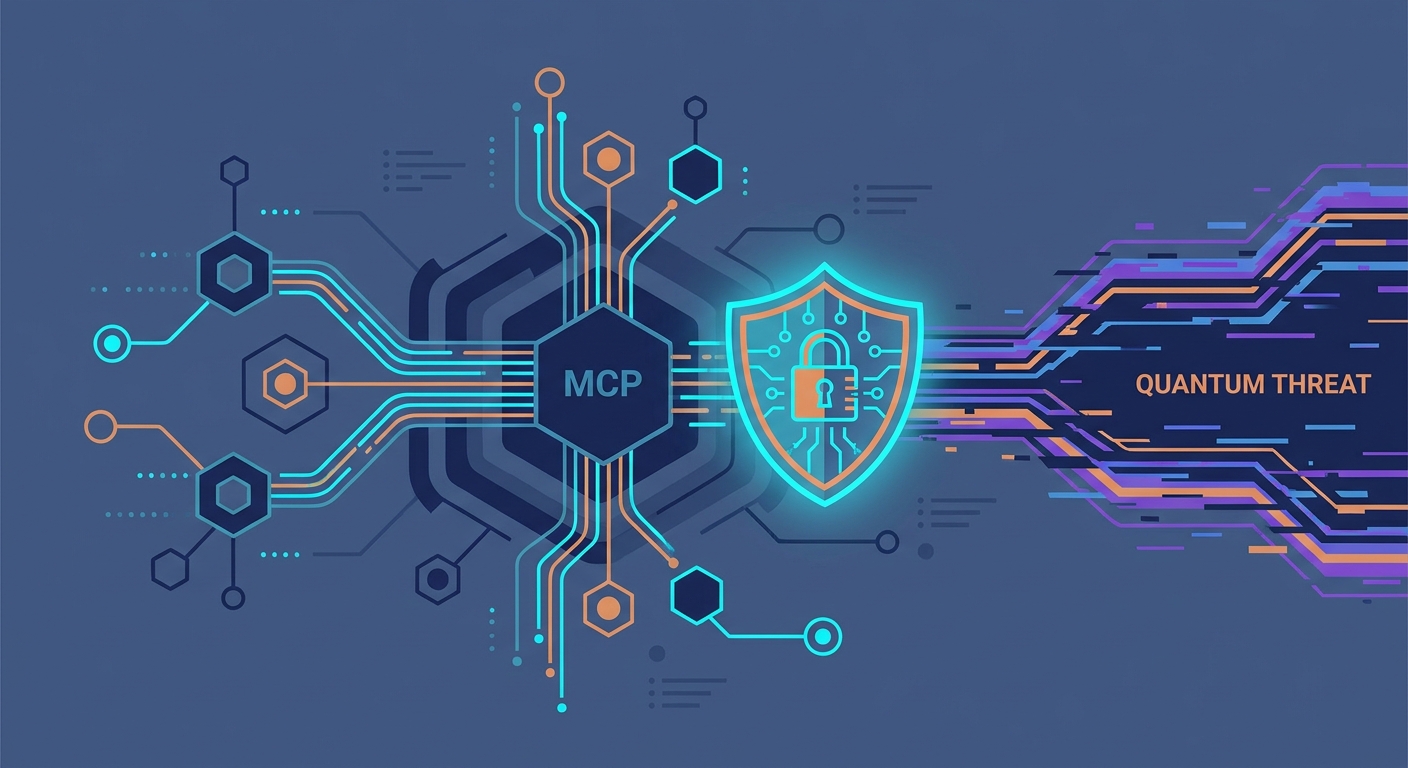
By funneling all that data through a single protocol, you’ve created a high-value bottleneck. If that connection is compromised, the entire agentic ecosystem goes down with it. Standard TLS, which leans on classical key exchange, simply isn't built for this. When an agent queries a database via MCP, that handshake needs to be tough enough to survive the quantum age. For a deeper dive into the specific vulnerabilities, the Trail of Bits MCP Security Hub provides excellent technical context on how these connections are currently being probed. Treat MCP as the primary gateway to your agent’s brain—because that’s exactly what it is.
The Hybrid Cryptography Approach: Why It’s the Only Way Forward
Forget the "rip-and-replace" fantasy. Trying to gut your entire crypto-stack overnight is a recipe for system crashes and endless downtime. Nobody has the stomach for that.
The gold standard is the hybrid approach. You layer NIST-approved PQC algorithms—like ML-KEM (formerly Kyber)—right on top of your classical ECC or RSA. It’s a dual-stack setup. If a quantum computer manages to punch through the classical layer, the quantum-resistant layer is still standing, completely impenetrable. If a researcher finds a flaw in the new PQC algorithms? Your classical layer keeps the lights on. It’s the perfect balance of performance and long-term security.
The 5-Step Migration Framework: A CISO’s Guide
You can’t secure what you don’t understand. Here is how you get your house in order.
Step 1: Audit Your Crypto-Inventory
Before you touch a single algorithm, map every node in your MCP architecture. Where is your context stored? Where does it go? You need a granular inventory of every handshake, static key, and certificate currently in play. If it touches an AI agent, it goes on the list.
Step 2: Prioritize via "Sensitivity Half-Life"
Not all data is created equal. Use a "Sensitivity Half-Life" matrix. Does this data need to stay secret for ten years? That’s your priority. Customer records, R&D secrets, and trade secrets go to the front of the line. Ephemeral session data can wait.
Step 3: Implement Hybrid Cryptography
This is where the rubber meets the road. You’re deploying dual-stack handshakes. For those specifically managing agentic connections, our Quantum-Resistant Cryptography for MCP guide details the practical steps for integrating these hybrid stacks into your existing CI/CD pipelines without blowing up your production environment.
Step 4: Master "Crypto-Agility"
Stop hard-coding your security. Crypto-agility is the ability to swap algorithms on the fly without re-architecting your entire stack. Security should be a dynamic policy you can push to nodes as threats evolve.
Step 5: Continuous Monitoring
Quantum-encrypted traffic looks different. It acts different. Once your PQC layers are live, you need to establish a new baseline. Keep an eye out for anomalies, handshake failures, or weird traffic spikes. That’s usually where the trouble hides.
Common Pitfalls: Watch Your Step
Latency is the elephant in the room. PQC algorithms are more resource-heavy than the classical stuff, and those micro-delays can add up in real-time AI responses. Then there’s the "quantum-blind" hardware issue—older infrastructure that just can't keep up with the new requirements. As noted in the Cloud Security Alliance (CSA) Research Notes, the 2026 migration will be won or lost on how well you handle these legacy bottlenecks.
Can AI Solve the Complexity?
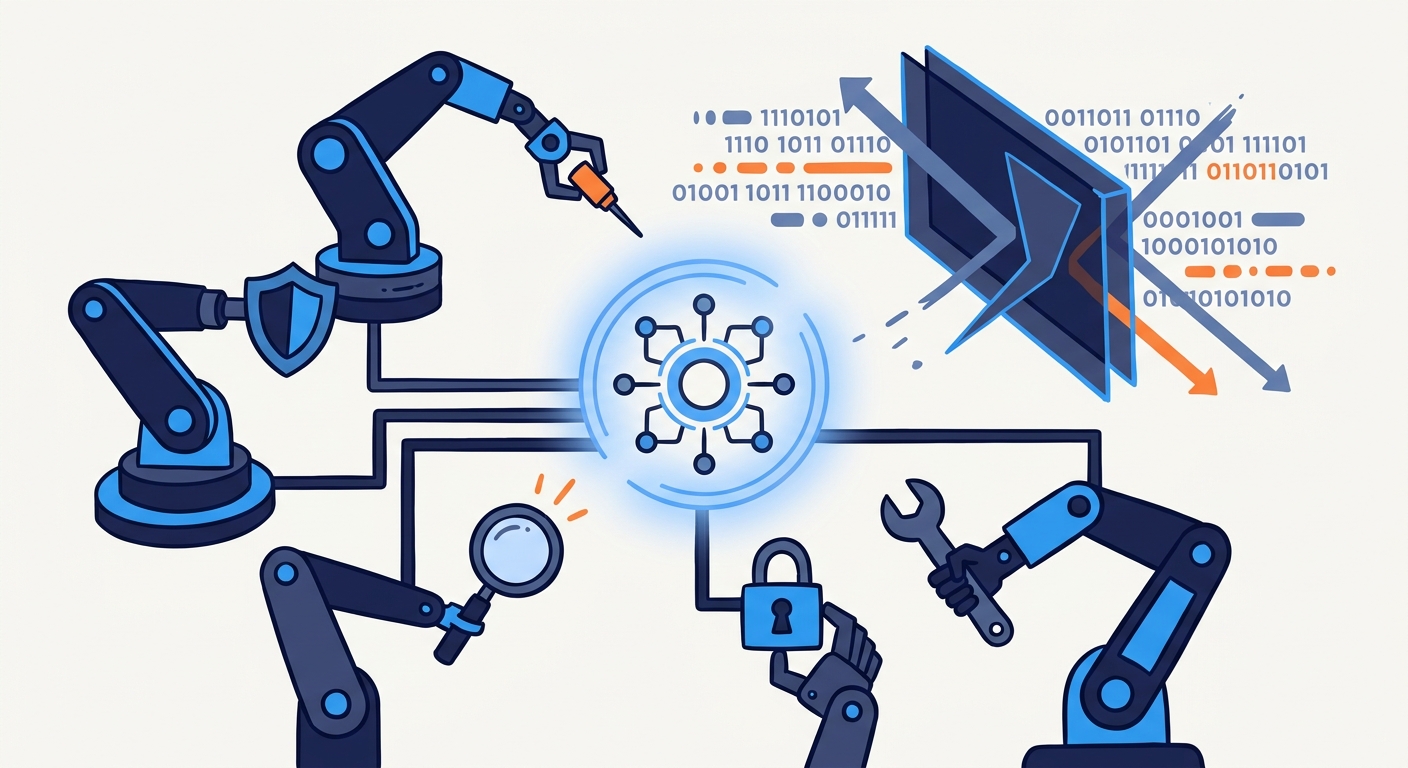
The irony isn't lost on us: the quantum threat is so complex that humans can barely track it alone. We’re seeing a new wave of AI-driven orchestration layers that automatically handle PQC updates across distributed agent fleets. By using AI to monitor for cryptographic anomalies, you can actually use the technology to guard itself. It’s meta, it’s necessary, and it’s happening.
Why This is a Legal Imperative
This isn't just about security anymore; it’s about compliance. With new U.S. Executive Orders and global mandates, post-quantum readiness is moving into the "must-have" column for auditors. The NIST Post-Quantum Cryptography Standardization project is the baseline. If you aren't hitting these marks, you’re looking at significant legal and financial exposure.
Conclusion: From Reactive to Strategic
Transitioning to post-quantum security is the defining infrastructure challenge of 2026. This isn't a "future project" for your roadmap; it’s the price of entry for an AI-enabled enterprise. Audit your inventory, embrace hybrid cryptography, and build for agility. Stop being an SNDL target and start being a leader in secure, resilient AI. Start today—your data isn't going to protect itself.
Frequently Asked Questions
What is the "Store Now, Decrypt Later" (SNDL) attack, and why does it impact AI right now?
SNDL is an attack where adversaries intercept and store encrypted data today, intending to decrypt it once powerful quantum computers become available. It impacts AI because AI agents frequently transmit high-value, long-term sensitive data that needs protection for years, not just days.
Do I need to replace all my current encryption to be quantum-safe?
No. The industry standard is a "hybrid" approach, where you layer new PQC algorithms alongside existing classical encryption. This keeps your system secure while maintaining compatibility and minimizing the risk of total system failure.
How does the Model Context Protocol (MCP) change the security requirements for AI agents?
MCP centralizes the data flow between agents and tools, creating a single, high-value attack surface. Because this protocol is the gateway to your internal systems, it requires a higher level of scrutiny and proactive PQC implementation compared to standard, distributed API calls.
What is "Crypto-Agility," and why is it essential for my 2026 infrastructure roadmap?
Crypto-agility is the ability to update your cryptographic protocols and algorithms without needing to overhaul your entire infrastructure. It is essential because the threat landscape is evolving, and you need the flexibility to rotate or upgrade your security measures in response to new discoveries or threats.