5 Essential Pillars of Post-Quantum Security for Modern AI Infrastructure

TL;DR
- ✓ Detect and prevent Harvest Now Decrypt Later attacks on your AI data streams.
- ✓ Understand why the Model Context Protocol is a high-priority target for quantum attackers.
- ✓ Transition to FIPS 203 and FIPS 204 standards to future-proof your sensitive infrastructure.
- ✓ Implement quantum-resistant cryptography to protect long-term proprietary training logs and database queries.
Your AI infrastructure is leaking data into the future. Right now.
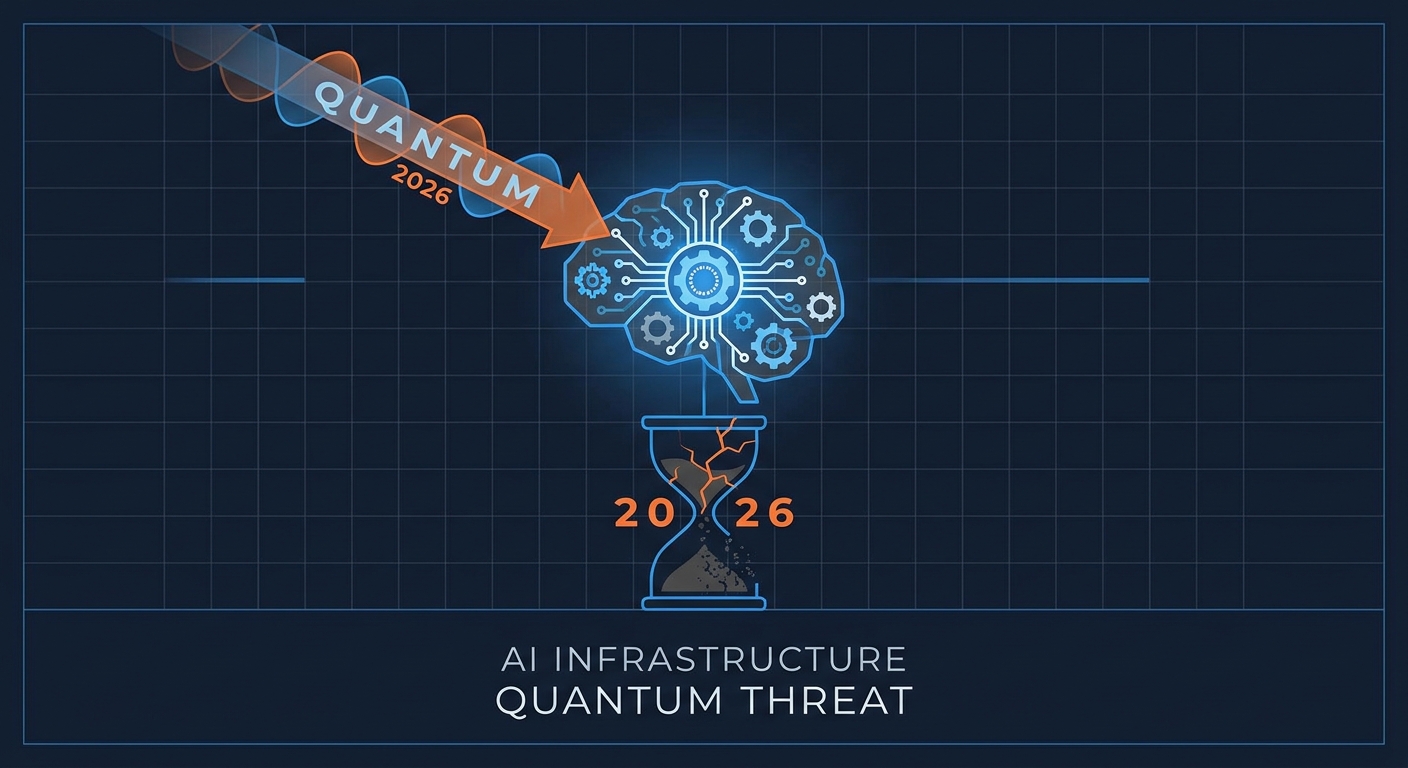
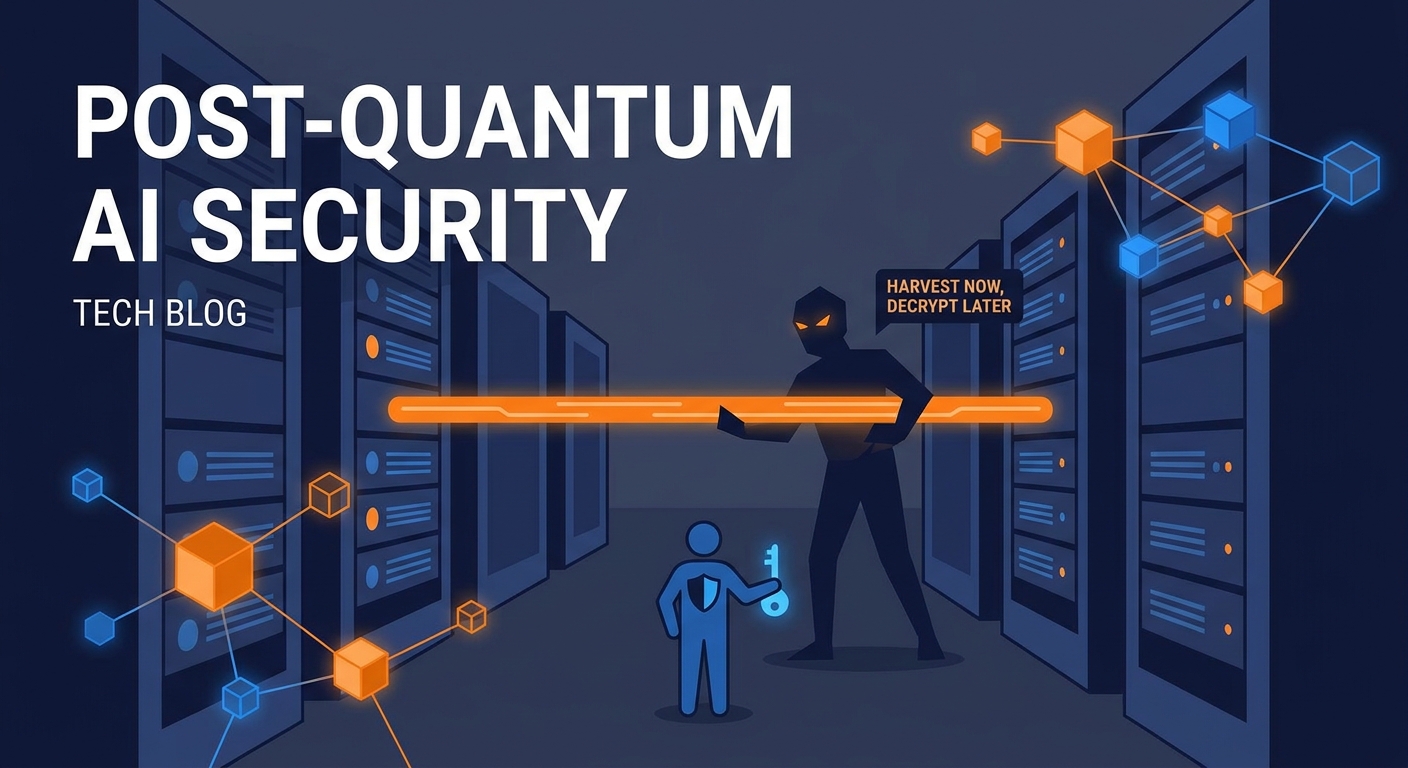
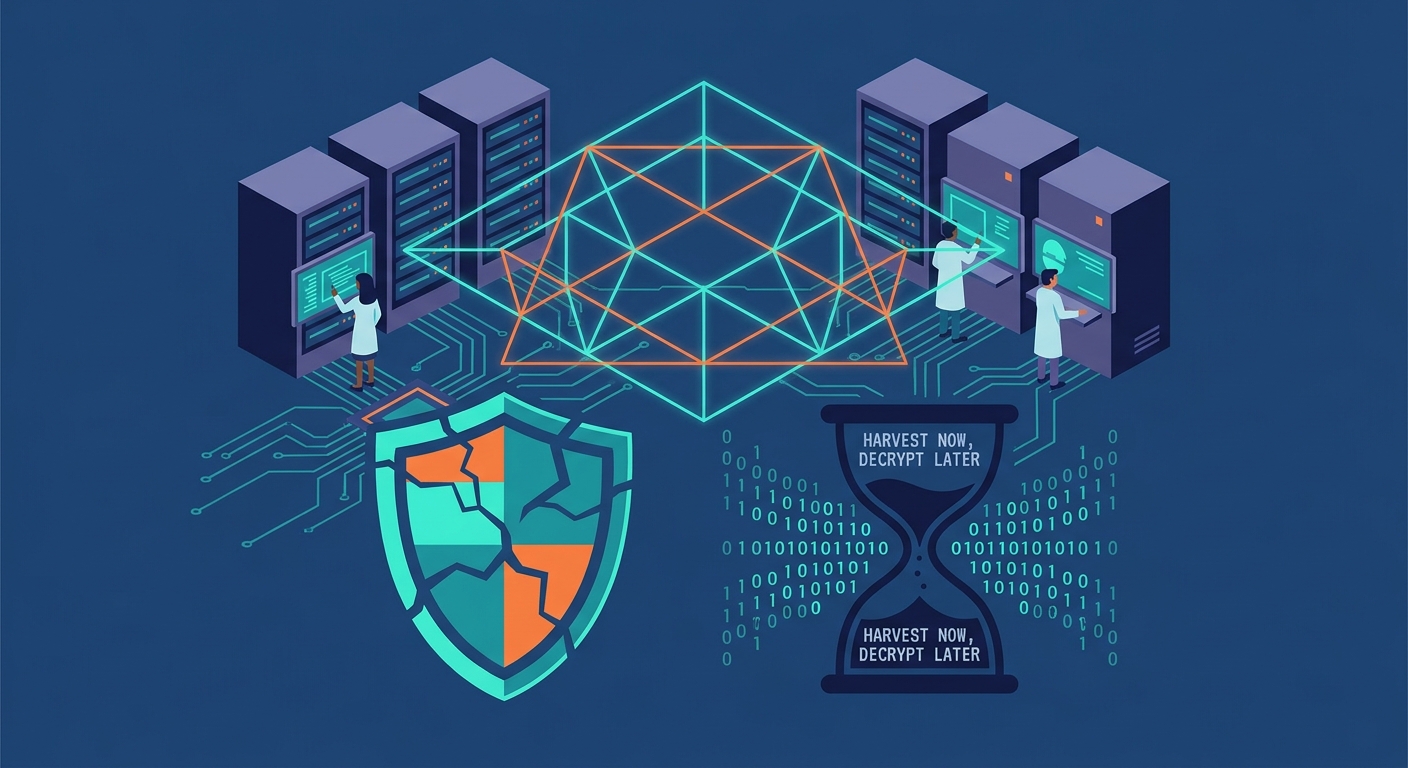
You might feel safe behind your TLS 1.3 connections, but you’re sitting ducks for a "Harvest Now, Decrypt Later" (HNDL) attack. Here is the reality: Quantum computers capable of running Shor’s algorithm are a matter of when, not if. While you’re reading this, adversaries are scraping and storing massive swathes of encrypted enterprise traffic. They aren't trying to crack your security today. They’re playing the long game, waiting for the day they can retroactively unlock your sensitive agentic conversations, proprietary training logs, and internal database queries.
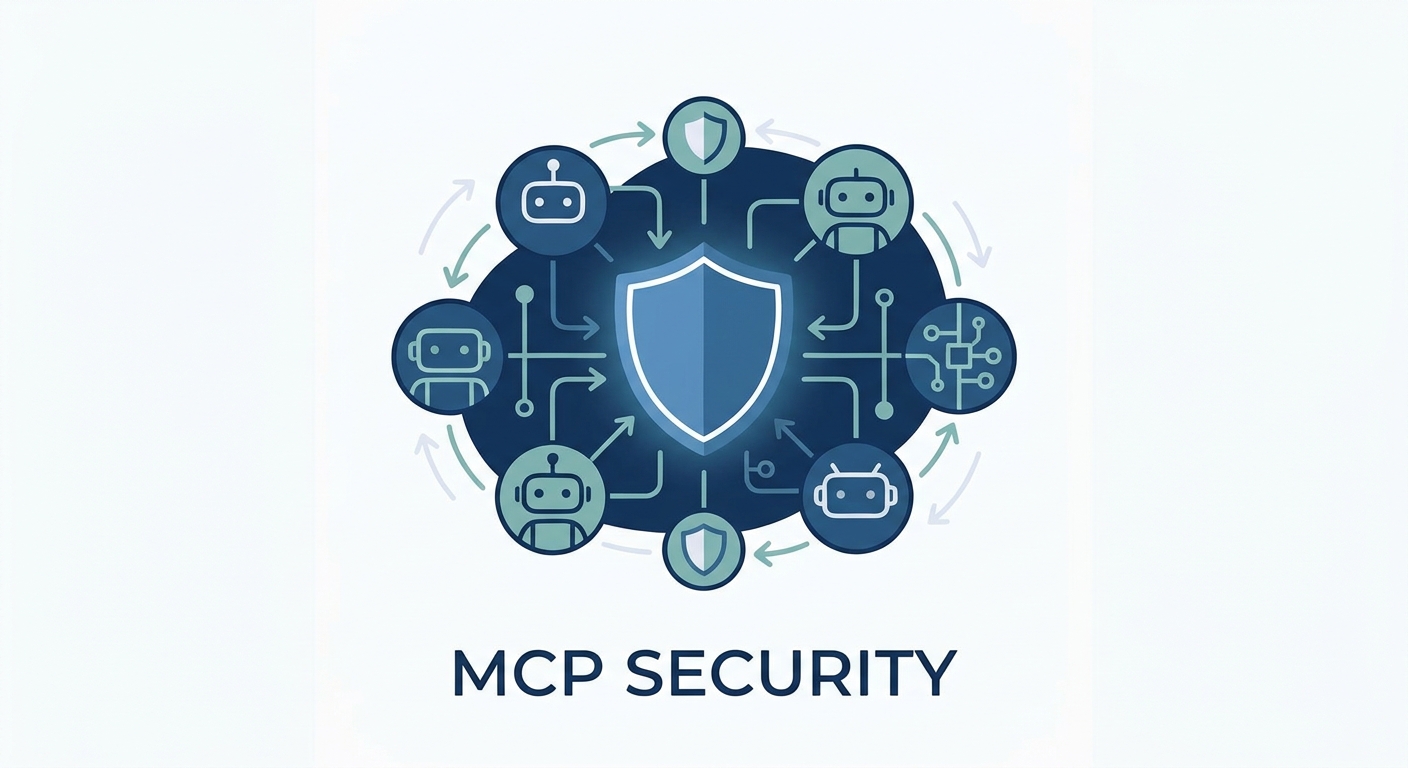
Securing the Model Context Protocol (MCP) isn't some theoretical exercise for the next decade. It is the absolute foundation for anyone building serious agentic orchestration. If you aren't hardening your pipes, you’re just building a library for future hackers.
1. The Hidden Vulnerability: Is MCP the Weakest Link?
The Model Context Protocol (MCP) is becoming the connective tissue for AI. It lets models talk to databases, tools, and internal APIs with incredible ease. But that fluidity comes at a cost. When you standardize how data moves between your agents and your core systems, you also standardize the target.
You’ve essentially built a predictable, tunnel-like attack surface. If an attacker knows exactly where the "pipes" are, they know exactly where to intercept the bits.
According to the Coalition for Secure AI (CoSAI) MCP Whitepaper, the rapid adoption of standardized protocols creates a uniform target for exfiltration. If those MCP tunnels aren't quantum-hardened, you’re effectively broadcasting your future secrets to anyone with enough storage capacity to keep them until a fault-tolerant quantum computer comes online. It’s that simple, and that dangerous.
2. Pillar 1: Transitioning to NIST-Standardized Cryptography (FIPS 203/204)
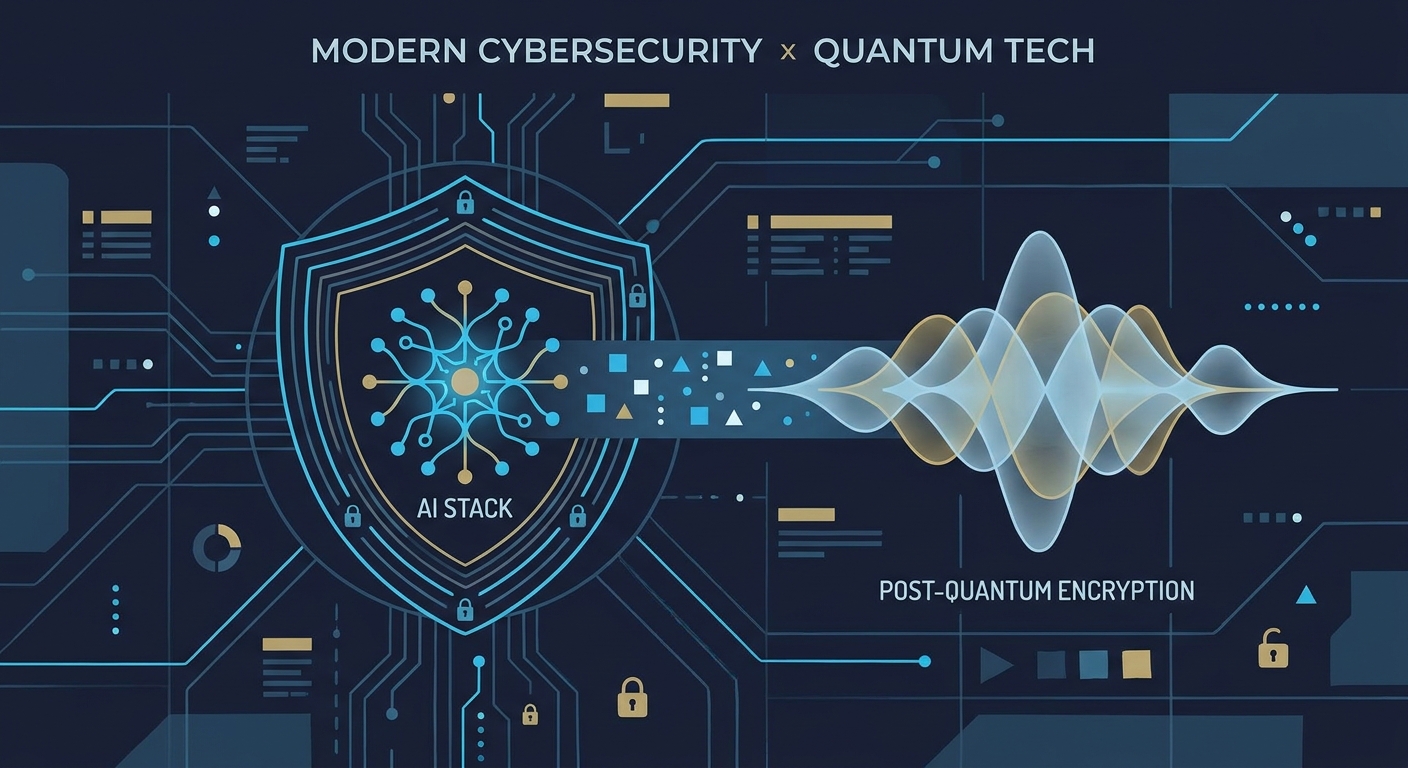
The era of relying solely on classical RSA or ECC for long-term data protection? It’s over. To survive the quantum transition, you have to pivot to NIST-standardized algorithms that are mathematically resistant to quantum speedups. Specifically, your infrastructure needs to adopt FIPS 203 (CRYSTALS-Kyber) for key encapsulation and FIPS 204 (CRYSTALS-Dilithium) for digital signatures.
As outlined in the NIST Post-Quantum Cryptography Standards, these algorithms are the new bedrock of secure communication. Unlike classical methods that rely on the difficulty of integer factorization, Kyber and Dilithium use lattice-based cryptography. To our current knowledge, this remains robust against both classical and quantum attacks. Moving to these standards isn't just a compliance box-ticking exercise; it’s about making sure your MCP traffic remains private long after the hardware used to intercept it is junked.
3. Pillar 2: Implementing the "Hybrid Cryptography Bridge"
If you try a "rip-and-replace" strategy, you’re going to break your production AI workflows. Nobody wants that. The trick to surviving the quantum transition is to stop choosing sides and start building a Hybrid Cryptography Bridge. This approach mashes up classical ECC (your current standard) with newer PQC algorithms (like Kyber) into one dual-layered handshake.
By using this Quantum-Resistant Encryption Guide, you ensure your connections stay secure as long as either the classical or the quantum-resistant algorithm remains unbroken. It’s a "belt and suspenders" strategy for the AI age. If a flaw is discovered in a new PQC algorithm, your classical layer holds. If a quantum computer breaks your classical layer, your PQC layer stands tall. It’s the only responsible way to upgrade an active AI deployment without causing total downtime.
4. Pillar 3: Hardening Agentic Orchestration Endpoints
The risk of a compromised MCP tunnel isn't just losing a few packets. It’s the exposure of your agent’s "instruction set." If an attacker decrypts the traffic between your agent and your database, they can see the prompts, the history, and the logic governing your agent's decision-making.
As noted by the Cloud Security Alliance: Quantum Risk to AI, quantum threats are uniquely dangerous to AI because they expose the logic and the memory of the agent, not just raw data. Hardening these endpoints requires strict segmentation of MCP server access. Stop letting your agents connect to every database with a single key. Use granular, short-lived tokens and wrap every MCP server endpoint in a quantum-secure tunnel.
5. Pillar 4: Visibility and Traffic Monitoring for Quantum Anomalies
You can’t defend against what you can’t see. In a post-quantum world, logging and forensics are your primary defense against HNDL activity. You need to monitor your MCP tunnels for patterns that suggest someone is trying to intercept or decrypt your data.
When you implement Secure MCP Deployments, focus on high-fidelity logging that captures the metadata of every agent-to-tool handshake. Look for weirdness in the encryption layer. If an attacker is trying a man-in-the-middle attack, you want to know about it today, not three years from now when they’ve finally gathered enough quantum cycles to decrypt your entire history.
6. Pillar 5: Establishing a Quantum-Safe Governance Framework
Security is a policy problem just as much as a technical one. You need a "Ready-State" governance framework that forces your engineering teams to treat PQC as a default, not an afterthought.
Your 5-step readiness checklist:
- Inventory: Map every single MCP tunnel connecting your AI agents to backend systems.
- Prioritization: Classify tunnels based on the sensitivity of the data (PII, proprietary models, internal logs).
- Hybridization: Pilot the Hybrid Cryptography Bridge on your lowest-risk tunnels first.
- Audit: Review your endpoint access controls to make sure you’re following the principle of least privilege.
- Update: Shift all new infrastructure deployments to NIST-compliant FIPS 203/204 standards by default.
Quantum-safe infrastructure is an operational necessity. It’s the cost of doing business in an era where the data we generate today is being archived for tomorrow’s threats. Audit your MCP tunnels now, or risk the future of your enterprise's intellectual property.
Frequently Asked Questions
Is my current TLS 1.3 connection to my AI agents already vulnerable?
Yes. TLS 1.3 provides excellent protection against current classical attacks, but it is fundamentally vulnerable to "Harvest Now, Decrypt Later" (HNDL) threats. Any data currently moving across your tunnels can be intercepted, stored, and decrypted once a sufficiently powerful quantum computer is developed.
Can I simply update my software to be "quantum-safe"?
It is not enough to simply apply a software patch. Becoming quantum-safe requires a shift to infrastructure-wide implementation of NIST-standardized algorithms like Kyber and Dilithium. This often involves upgrading your cryptographic libraries, updating your TLS configurations to support hybrid key exchange, and potentially refreshing underlying hardware. For more details, see our Post-Quantum AI FAQ.
What happens if I don't secure my MCP deployments now?
If you delay, you are essentially leaving your most sensitive data in a "public" archive for future adversaries. The long-term risk includes the exposure of years of proprietary agentic logs, sensitive enterprise context, and the foundational logic of your AI agents, which can be extracted from historical traffic once quantum capabilities mature.
What is the "Hybrid Cryptography" approach?
The Hybrid Cryptography approach is a transition strategy that uses both classical encryption (like ECC) and post-quantum encryption (like Kyber) simultaneously. By wrapping your data in two layers, you ensure that the connection remains secure as long as either algorithm remains unbroken, providing a bridge that maintains current software compatibility while adding future-proof protection.