Model Context Protocol Security: Why Quantum-Resistant Encryption is Essential

TL;DR
- ✓ Model Context Protocol creates a centralized attack surface for enterprise AI systems.
- ✓ Harvest Now Decrypt Later strategies target current traffic for future quantum decryption.
- ✓ Standard TLS encryption is insufficient against advanced quantum computing threats like Shor’s algorithm.
- ✓ Protecting AI context streams is critical to preventing malicious data injection and poisoning.
The Model Context Protocol (MCP) has quietly become the backbone of modern enterprise AI. It’s the universal translator that lets your LLMs reach out and grab real-time data from silos that used to be unreachable. We’ve built a faster, smarter, more agentic future. But in our rush to connect everything, we’ve inadvertently handed the keys to the kingdom to anyone watching the wire.
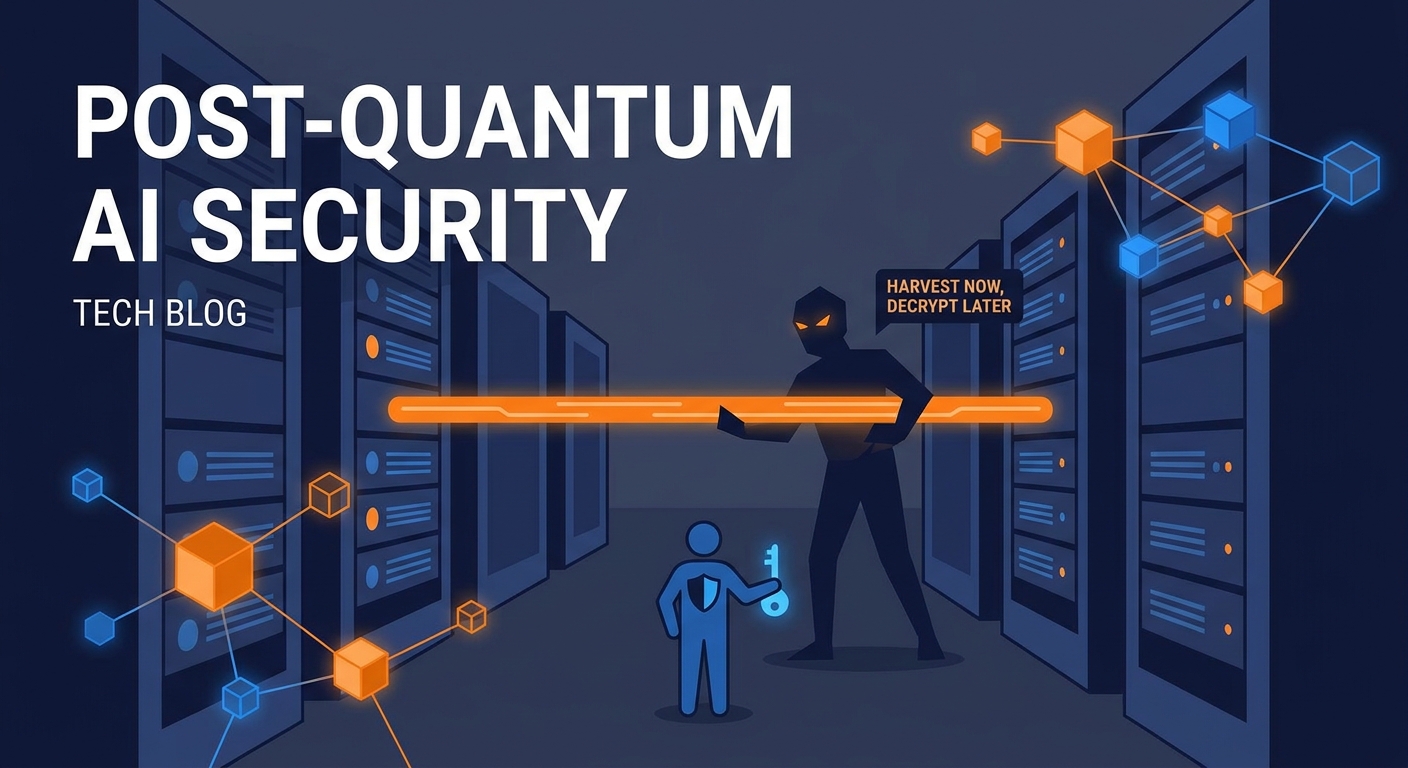
The data flowing through these streams isn't just metadata. It’s your proprietary research, your customer lists, and your most sensitive internal documentation. And right now? It’s sitting ducks for a strategy known as "Harvest Now, Decrypt Later" (HNDL).
Most of us still rely on RSA and ECC for encryption. These are the workhorses of the internet, but they’re also fundamentally broken by the math of quantum computing. If an adversary captures your traffic today, they don’t need to break your encryption right now. They just store it. They wait for the day a quantum computer comes online that can tear through those classical locks like paper. Securing your context stream isn't just an IT chore anymore. It’s the front line of corporate survival.
Why MCP is the New Primary Attack Surface
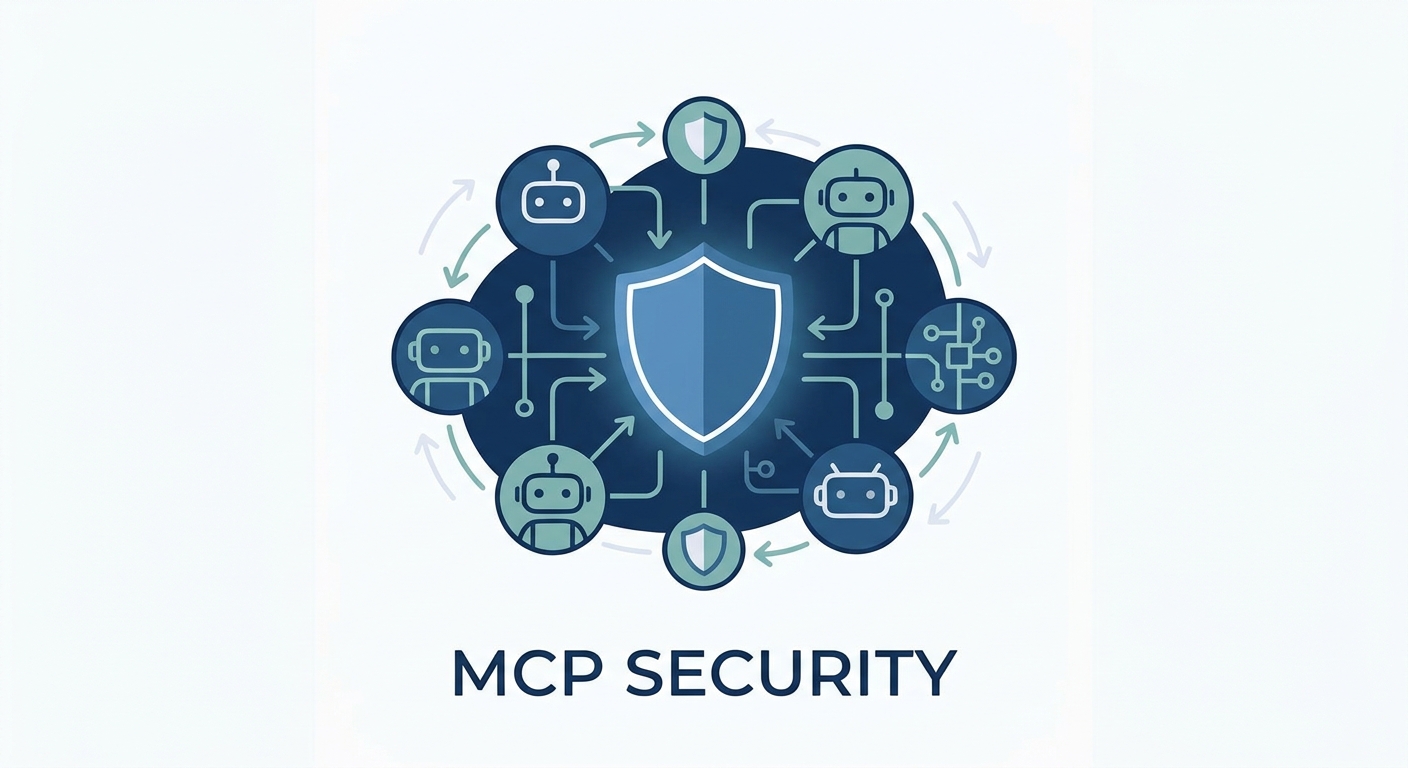
We’re moving past the era of simple chatbots. We’re giving our AI agents the power to query databases, run code, and pull levers inside our own systems. By standardizing these connections through MCP, we’ve created a single, predictable target for attackers.
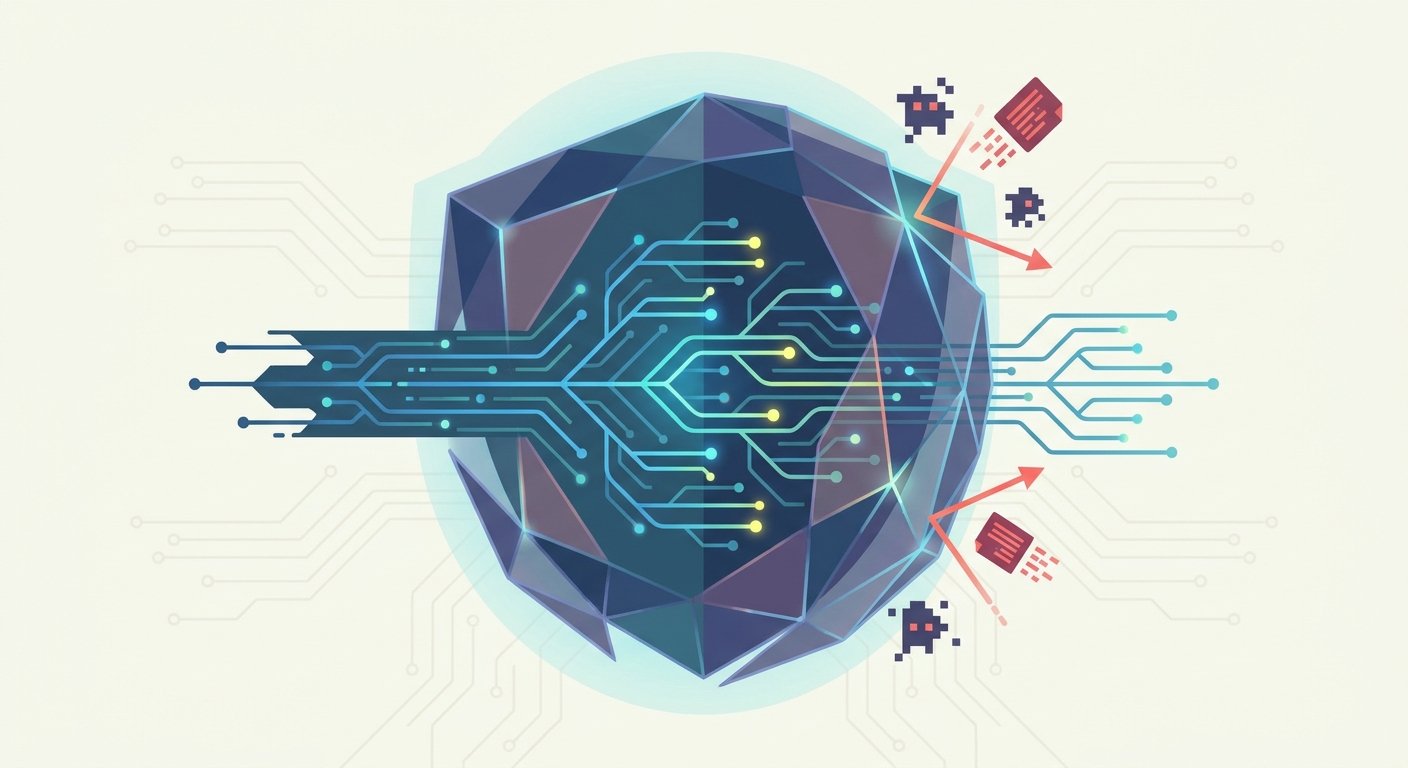
An MCP breach doesn't usually start by hacking the model itself. It happens via "context poisoning." Every time an agent makes a tool call, the MCP server feeds it information. If an attacker can sit in the middle of that flow, they don't have to hack your firewall. They just inject malicious instructions into the stream. They can trigger unauthorized tool calls or siphon off your raw data while the AI is busy "thinking."
Think of your context window as a temporary, high-speed vault for your company’s secrets. If you’re assuming your transport layer is safe just because you’ve got standard TLS running, you’re building your house on sand.
The Quantum Threat: The Reality of HNDL
"Harvest Now, Decrypt Later" isn't a sci-fi plot; it’s an active intelligence strategy. As this CISA guidance on post-quantum cryptography points out, this is a race against the clock. Our current encryption relies on the fact that factoring huge prime numbers is hard for classical computers.
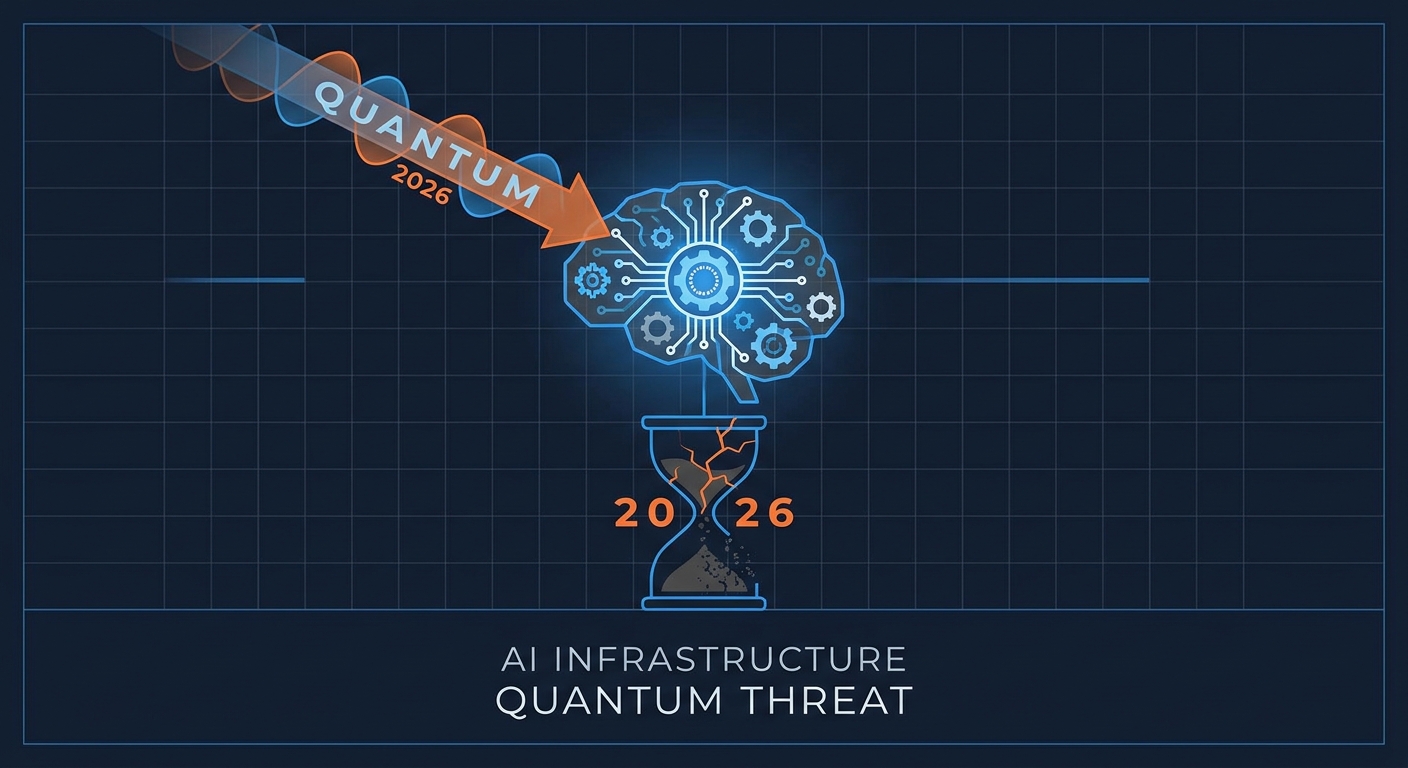
Shor’s algorithm changes the rules entirely. Once a large-scale, fault-tolerant quantum computer exists, those "hard" problems become trivial. Nation-state actors are already vacuuming up encrypted traffic from high-value targets, banking on the fact that they’ll be able to read it in five or ten years. If you’re streaming sensitive R&D or financial data to an LLM today, you have to assume that every packet is a time bomb.
How Quantum-Resistant Encryption Changes the Game
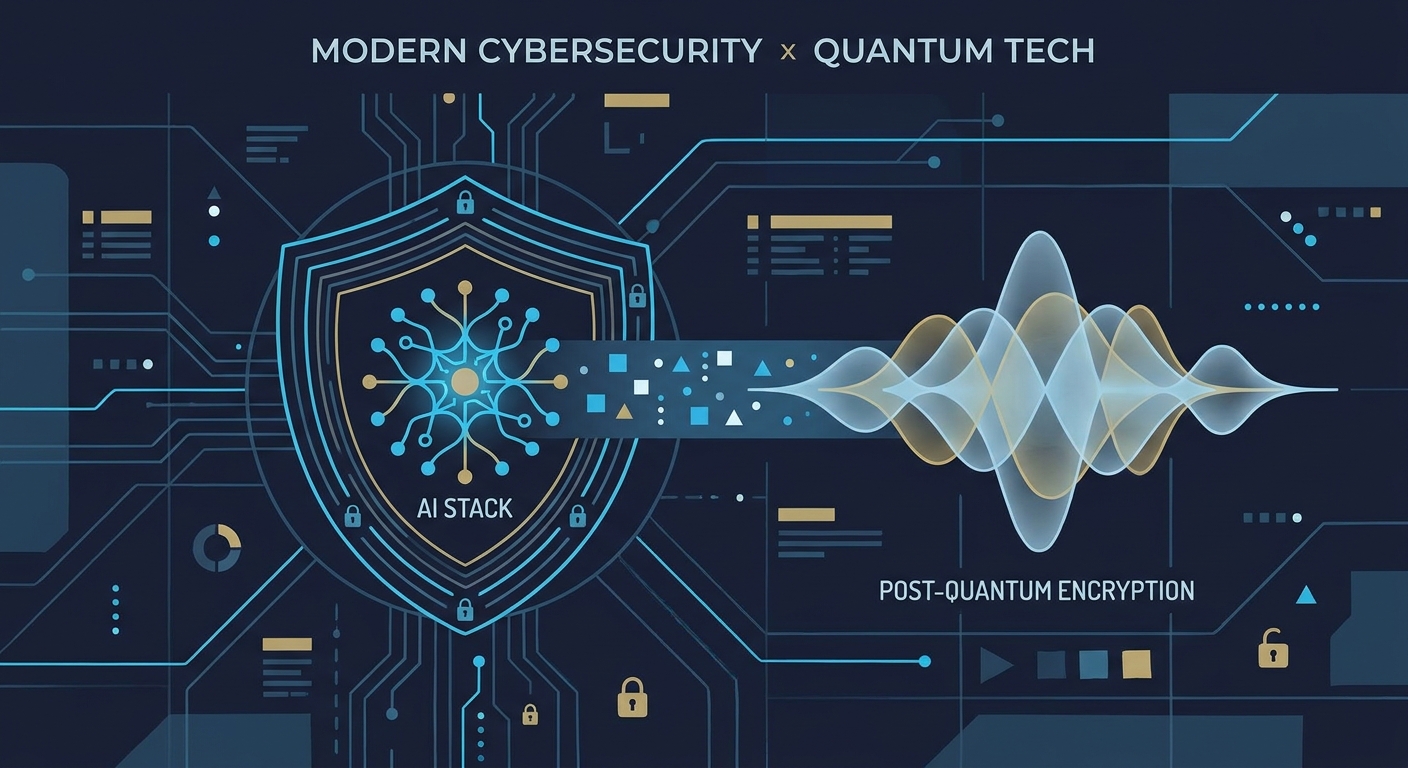
So, if RSA and ECC are on their way out, what’s left? We look to Post-Quantum Cryptography (PQC). PQC uses complex math—like lattice-based cryptography—that quantum computers simply don't have an advantage against.
The industry is coalescing around NIST-standardized algorithms, specifically CRYSTALS-Kyber (ML-KEM). You can dig into the technical specs through the NIST Post-Quantum Cryptography project.
But let’s be real: you can’t just rip out your entire infrastructure overnight. That’s how you break production. The smart move is a "Hybrid Strategy." You layer PQC alongside your existing classical encryption. Your traffic stays secure against today’s threats, but you’re also future-proofed against the quantum leap. If you’re looking for a way to bridge this gap, this guide on protecting MCP with quantum-proof encryption shows you how to integrate these hybrid schemes into your existing pipelines without crashing your systems.
Securing the Agentic Stream: A Zero-Trust Approach
Encryption is just the lock on the door. Zero Trust is the bouncer who checks ID at every single step. In an MCP environment, you can't just trust a request because it came from an "agent."
You need granular, identity-based access for your MCP servers. Every single tool call and data request must be verified, logged, and scoped. But even that isn't enough. You have to watch the intent. Use AI-driven anomaly detection in post-quantum context streams to spot weird behavior. If an agent suddenly starts probing a database it has never touched before, kill the connection. As noted in the Cloud Security Alliance’s latest AI infrastructure research, AI security is a multi-layered game. You need the cryptography to protect the pipe and the behavioral intelligence to catch the rot inside.
Actionable Roadmap: The CISO’s 3-Step Audit for 2026
Stop theorizing. It’s time to audit.
- Inventory your MCP footprint: Map every data stream. Where are your LLMs pulling data from? Which MCP servers are in the middle? If you haven't documented it, you can't protect it.
- Assess cryptographic agility: Can your current stack handle hybrid algorithms? If your hardware or middleware chokes on PQC-ready gateways, you have a massive bottleneck that needs fixing before your next procurement cycle.
- Implement PQC-ready gateways: For any cross-departmental or external MCP connections, put a gateway in place that enforces hybrid encryption. It’s an extra shield that keeps your internal streams clean.
If you’re ready to move past the audit phase, the 2026 roadmap to post-quantum AI infrastructure security provides the technical blueprint for hardening your specific environment.
Conclusion: Future-Proofing as a Competitive Advantage
Stop calling security a "cost center." In the age of agentic AI, it’s the only way to run a business. Companies that treat their MCP streams as "set and forget" channels are building their entire AI strategy on quicksand. By adopting quantum-resistant, hybrid encryption, you aren't just checking a compliance box. You’re hardening your most valuable intellectual property against the inevitable march of computing power. Future-proofing isn't about knowing exactly when the quantum era begins—it's about making sure that when it does, your data is still yours.
Frequently Asked Questions
Why is my current TLS encryption not enough to stop quantum threats?
Current TLS relies on asymmetric algorithms like RSA or Elliptic Curve Cryptography (ECC). These rely on mathematical problems that a sufficiently powerful quantum computer can solve in minutes using Shor’s algorithm, effectively rendering your current "secure" transit completely transparent to anyone who has captured the traffic.
Is PQC ready for production-grade AI infrastructure in 2026?
Yes. NIST has finalized the standards for PQC algorithms, and hybrid implementations—which run PQC in parallel with classical algorithms—are currently being deployed in high-security enterprise environments. This approach allows for quantum resistance without sacrificing the proven stability of classical protocols.
What is the biggest risk if I ignore quantum-resistant security for my MCP deployments?
The biggest risk is the "Harvest Now, Decrypt Later" threat. If you transmit sensitive corporate data over non-quantum-resistant channels, that data is archived by adversaries. Even if your security looks perfect today, you are essentially gifting your future secrets to malicious actors who will be able to unlock them as soon as quantum hardware becomes accessible.
How does anomaly detection complement quantum encryption?
Encryption protects the "pipe"—ensuring that the data being sent cannot be read by an unauthorized third party. Anomaly detection protects the "intent"—ensuring that the AI agent itself isn't being manipulated or compromised to perform unauthorized actions. Together, they provide both transport security and behavioral integrity.