Stateful Hash-Based Verification for Contextual Data Integrity
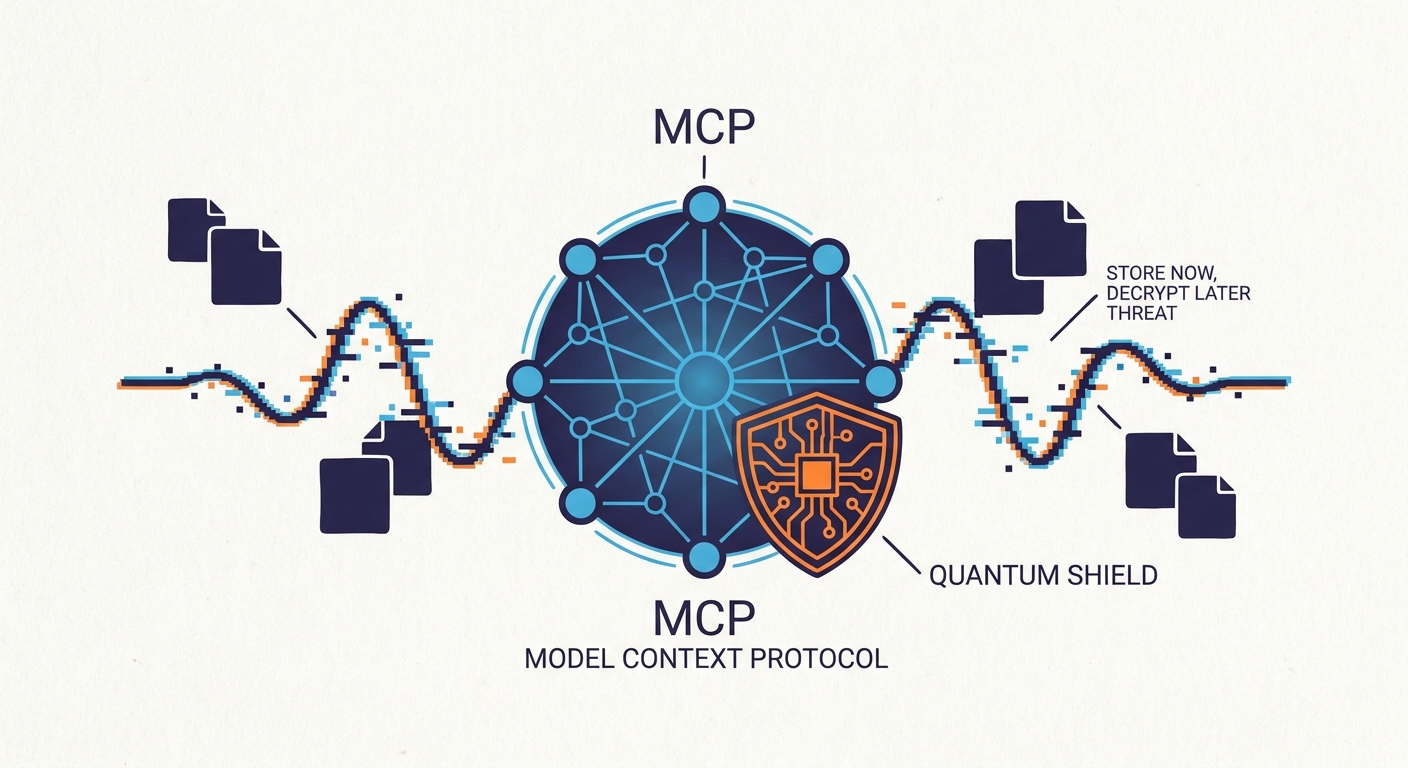
Learn how stateful hash-based signatures like XMSS and LMS provide quantum-resistant security for AI Model Context Protocol deployments and data integrity.
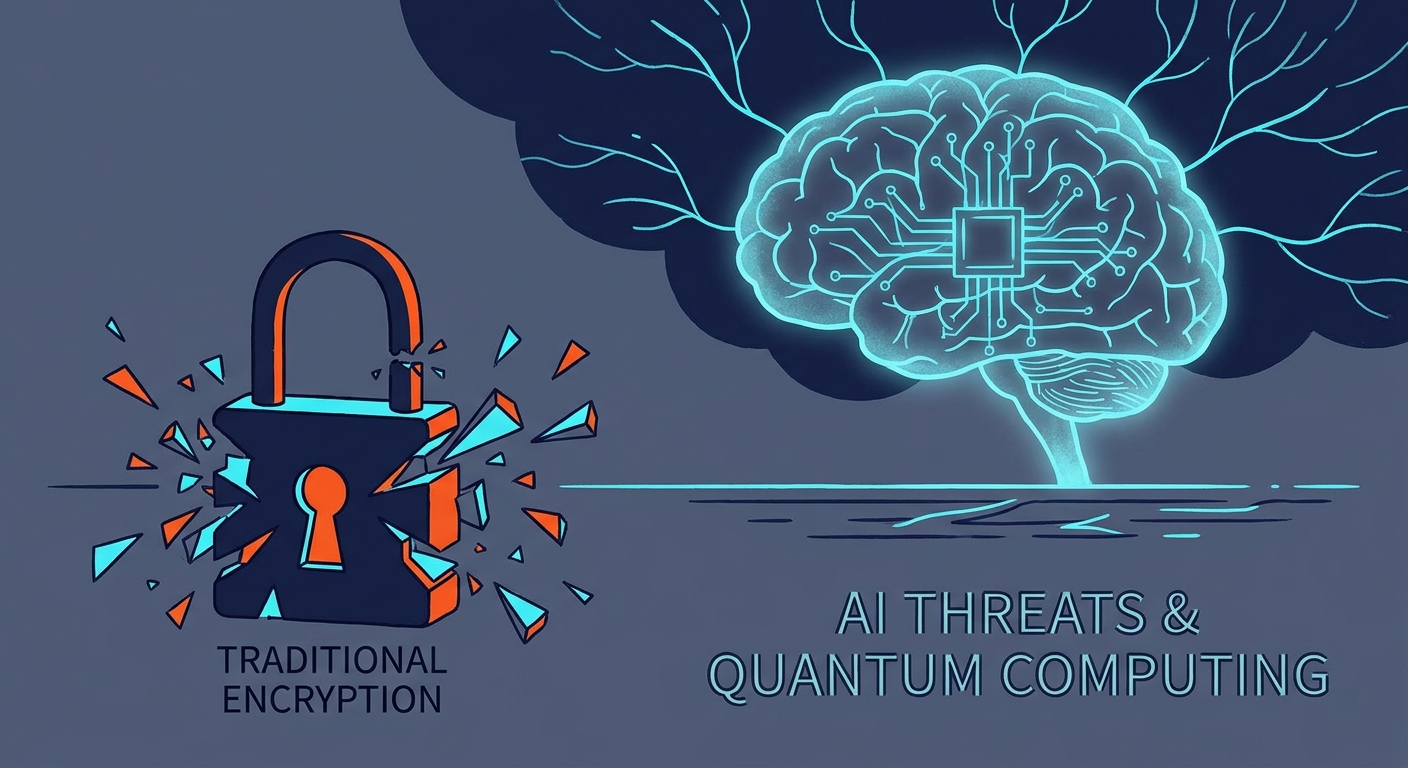
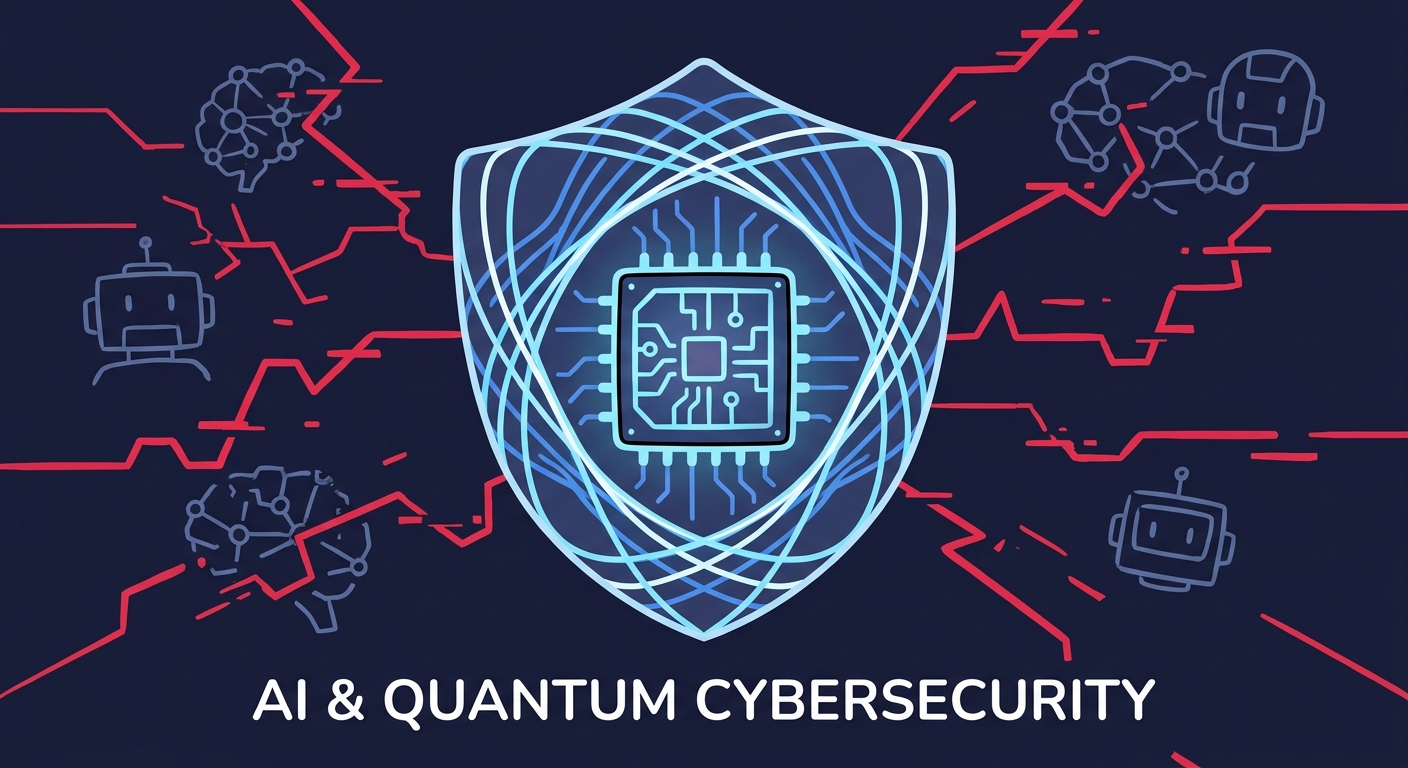
Cutting-edge insights on post-quantum cryptography, AI cybersecurity, and zero-trust architectures. The Gopher Security Blog explores advanced security solutions for Model Context Protocol (MCP), homomorphic encryption, and privacy-preserving technologies to future-proof your enterprise against emerging quantum and AI threats.
Learn how stateful hash-based signatures like XMSS and LMS provide quantum-resistant security for AI Model Context Protocol deployments and data integrity.
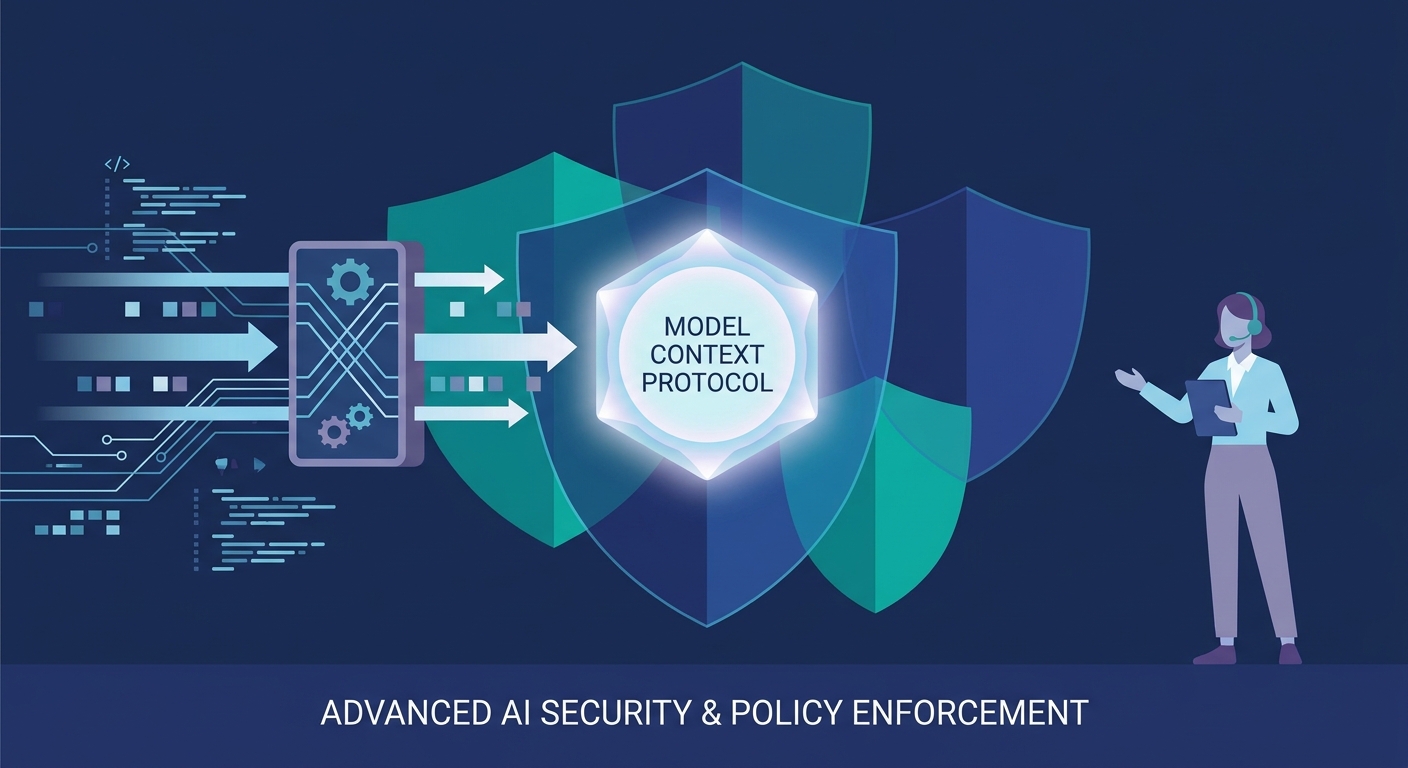
Secure your Model Context Protocol (MCP) deployments with granular policy enforcement and post-quantum cryptography. Prevent tool poisoning and puppet attacks.
Learn how to integrate Quantum-Safe HSMs with Model Context Protocol (MCP) to secure AI infrastructure against Shor's algorithm and context injection.
Learn how to secure federated AI agents with quantum-resistant IAM, lattice-based cryptography, and context-aware access control for MCP deployments.
Learn how to build a quantum-resistant zero trust architecture for MCP hosts. Protect AI infrastructure with lattice-based crypto and 4D access control.
Learn how to secure Model Context Protocol deployments with zero-trust policy enforcement and post-quantum security to prevent tool poisoning and puppet attacks.
Learn how to secure Model Context Protocol (MCP) hosts with quantum-resistant IAM, PQuAKE protocols, and lattice-based cryptography to prevent AI data breaches.
Explore how quantum-resistant attribute-based encryption (ABE) secures contextual data in AI and MCP environments against future quantum threats.
Learn how crystallographic signature verification protects federal Model Context Protocol (mcp) deployments from quantum threats and tool poisoning.