The 2026 Roadmap for Implementing Quantum-Resistant Encryption in AI Infrastructure

TL;DR
- ✓ Protect proprietary model weights against future Harvest Now Decrypt Later quantum threats.
- ✓ Adopt NIST FIPS 203 and 204 standards for robust quantum-resistant AI communication.
- ✓ Integrate PQC into middleware to secure data pipelines before quantum computers emerge.
- ✓ Prioritize quantum-resilience as a mandatory survival tactic for enterprise AI infrastructure.
Forget the buzzwords about "future-proofing." By 2026, implementing quantum-resistant encryption isn't some forward-thinking IT initiative—it’s a survival tactic.
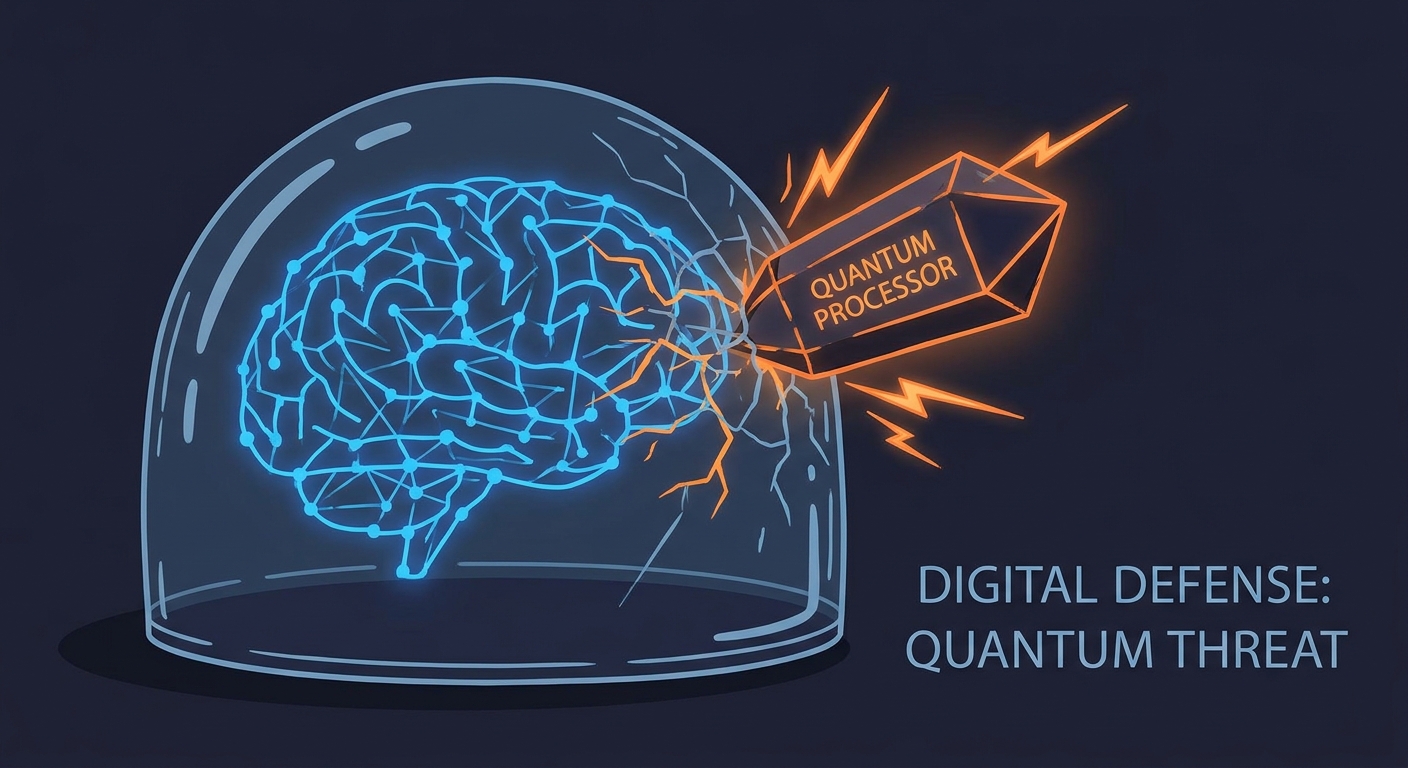
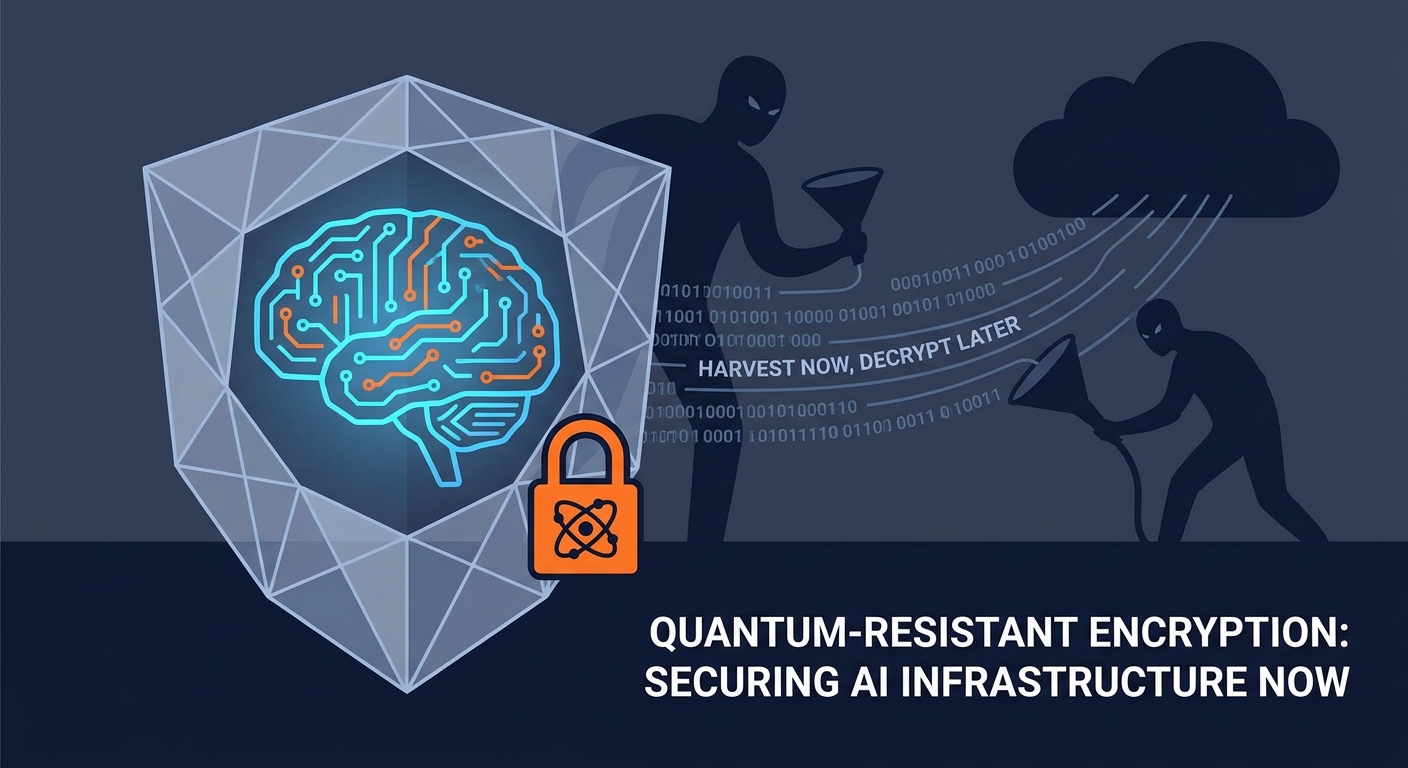
AI is the new nervous system of the enterprise. But there’s a quiet, nasty threat lurking in the background: the "Harvest Now, Decrypt Later" (HNDL) strategy. Right now, bad actors are vacuuming up your encrypted traffic and proprietary model weights. They aren't trying to crack them today. They’re betting that in a few years, quantum computers will make today’s RSA and ECC encryption look like a child’s toy.
If your AI stack is still running on classical encryption to protect your training data or model parameters, you’re basically leaving the vault door open for the future. Moving to Post-Quantum Cryptography (PQC) isn't a "nice-to-have" upgrade. It is mandatory infrastructure work.
Why We Need to Move Before the Quantum Dust Settles
Think about how long an AI model lives. Those proprietary weights, the massive fine-tuning datasets, and the context windows of your agentic workflows? They need to stay confidential for five, maybe ten years. If a state-sponsored adversary grabs a copy of your model today, they’ll have all the time in the world to decrypt it once quantum hardware catches up.
According to research on cyber resilience in the quantum era, upgrading global cryptographic standards is a massive, slow-moving ship. If you wait until a fully functional, fault-tolerant quantum computer exists, you’ve already lost. You’ll be a decade behind in remediation.
The stakes are higher with AI than with standard databases. An AI model is the sum total of your company’s intellectual property—your "Crown Jewels." The Cloud Security Alliance report on quantum risk to AI infrastructure highlights that the sheer volume of data moving between training clusters and the inference edge creates a massive target for HNDL attacks. If the foundation—the encryption of the pipe—is brittle, your intelligence is effectively public domain.
Navigating the NIST PQC Landscape
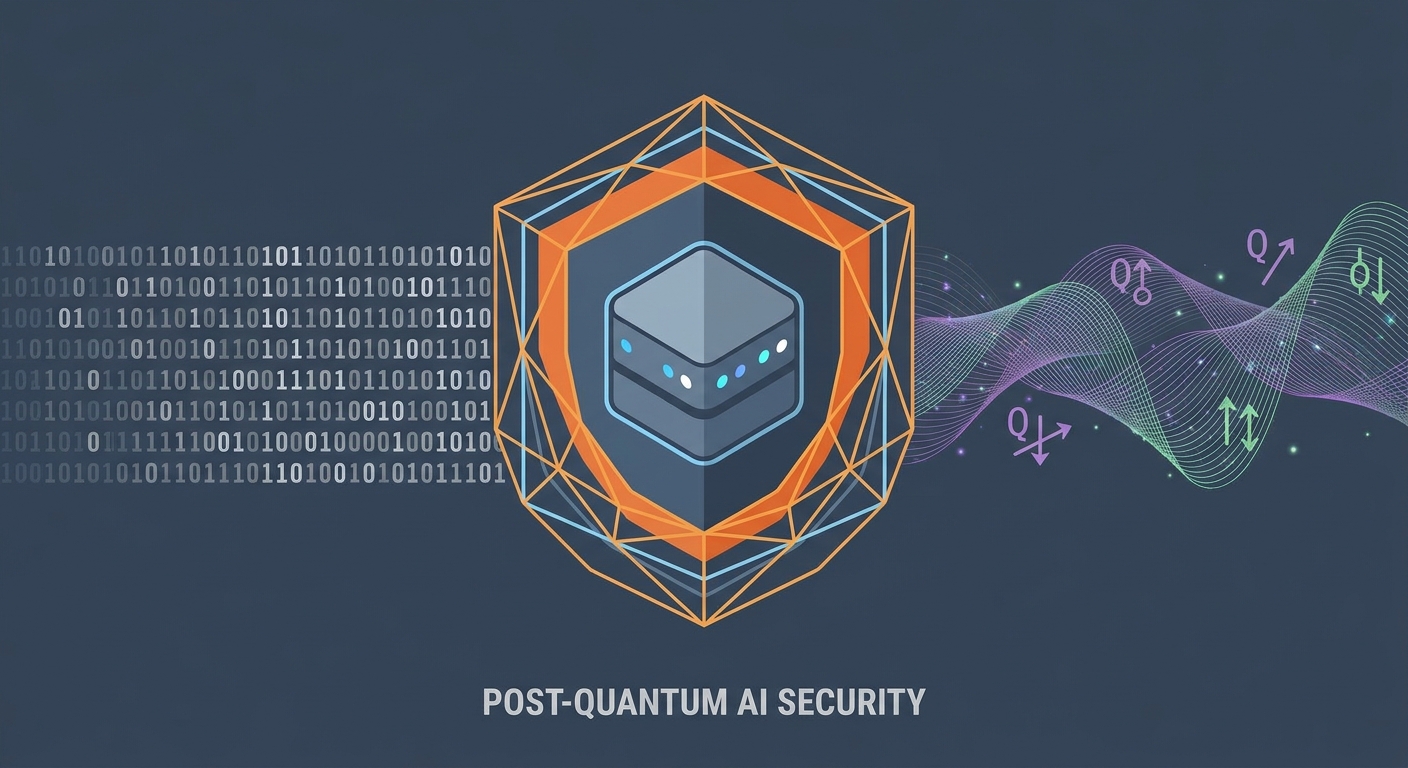
The path forward is no longer a mystery. We have the NIST Post-Quantum Cryptography standardization project to guide us. By 2026, we’ve moved past the "let's see if this works" phase. We are now in the era of operationalizing FIPS 203 (ML-KEM), FIPS 204 (ML-DSA), and FIPS 205 (SLH-DSA).
For an architect, these aren't just alphabet soup. They are your new building blocks. FIPS 203, for example, is your go-to for secure key encapsulation—the secret sauce for keeping AI agent conversations private. The goal isn't to rip out every bit of encryption overnight. It’s about integrating these standards into the middleware that governs how your models talk to each other. By getting FIPS-compliant, you’re hardening your stack against Shor’s algorithm without sacrificing compliance.
The 4-Phase Roadmap for Quantum-Resistant AI
This is a marathon, not a sprint. Your goal is "cryptographic agility"—the ability to swap out algorithms without having to burn your entire CI/CD pipeline to the ground.
Phase 1: Know What You Own
You can't protect what you can't see. Start by mapping your environment. Where are your model weights stored? How do they move during distributed training? Where do they live at the inference edge? This is the bedrock of a quantum-resistant zero trust architecture. If you don't have a map, you don't have a defense.
Phase 2: Prioritize the "Crown Jewels"
Not all data is created equal. A transient user session log? Low priority. The base weights of your primary LLM? High priority. Classify your assets by "time-to-obsolescence." Focus your budget where the strategic impact is highest.
Phase 3: The Hybrid "Bridge"
Don't jump straight into the deep end with "pure" PQC. The industry-standard play for 2026 is the Hybrid Bridge. You combine classical RSA/ECC with PQC algorithms like ML-KEM. You get the battle-tested reliability of legacy systems plus the quantum-resistant future-proofing of modern standards. If a researcher finds a hole in a new PQC algorithm tomorrow, your classical layer is still there to catch you.
Pro-Tip: When writing your Terraform or Kubernetes manifests, lean on sidecar containers to handle crypto-negotiation. It keeps your app code clean and lets you update your libraries without redeploying your entire AI serving logic.
Phase 4: Build for Agility
The end game? A system where changing an algorithm is as simple as flipping a configuration flag. This modularity prevents "cryptographic lock-in." If a specific PQC algorithm gets broken, you can pivot to a different standard without shutting down your APIs.
Securing the Model Context Protocol (MCP)
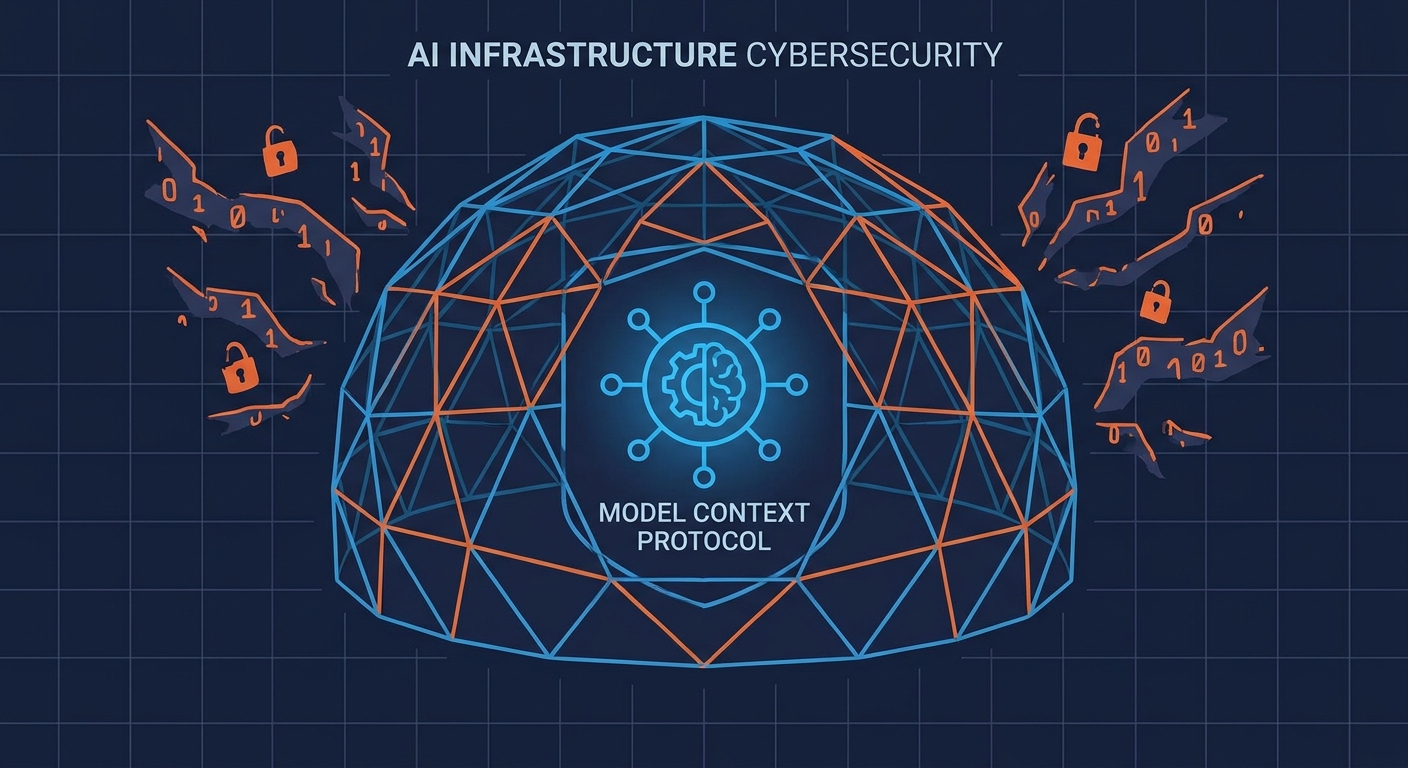
Agentic AI is moving fast, and the Model Context Protocol (MCP) is becoming a prime target. These interfaces were often built for speed, not security. When agents share context, they’re often leaking sensitive, proprietary data.
You need to implement post-quantum key agreement for model context confidentiality. Furthermore, as agents get smarter, they get more prone to prompt injection. Layer on anomalous prompt injection detection to your encrypted MCP streams. By encrypting that context window at the source, you ensure that even if the transport layer is intercepted, the agent’s "thought process" remains invisible to the attacker.
The Reality Check: Performance vs. Security
Let’s be honest: PQC isn't free. Algorithms have larger key sizes. They take more compute. In high-frequency AI inference, even a few milliseconds can feel like an eternity.
The data confirms the hybrid approach is the most pragmatic middle ground. Yes, there's a latency penalty, but it’s manageable. With optimized TLS stacks and hardware acceleration, most enterprises find the impact is well within the acceptable range for real-time apps.
Frequently Asked Questions
Why is quantum-resistant encryption critical for AI if quantum computers aren't here yet?
"Harvest Now, Decrypt Later." Adversaries are grabbing your data now and storing it. They are just waiting for the hardware to catch up. If your model's secrets need to stay private for five years, they are already at risk.
Can I just update my current encryption to be quantum-resistant?
It’s not just an update; it’s a design philosophy. You need "cryptographic agility"—a way to decouple your logic from your crypto so you can swap algorithms as threats evolve without constant infrastructure headaches.
What is the most important component of AI infrastructure to secure first?
Start with the Model Context Protocol (MCP) and your high-value model weights. These are your most sensitive assets and the biggest targets for long-term theft.
How does PQC affect AI inference latency?
PQC is more compute-heavy. However, by using hybrid schemes and hardware acceleration, you can keep the overhead to a negligible 20-50% increase in handshake time, with almost zero impact on your actual inference throughput.
What is the difference between FIPS 203 and FIPS 204 in an AI pipeline?
FIPS 203 (ML-KEM) handles key encapsulation—it’s how you establish the secret channel between agents. FIPS 204 (ML-DSA) is for digital signatures—it’s how you verify that the data actually came from a trusted source. You need both for a secure, authentic pipeline.