How to Implement Quantum-Resistant Cryptographic Algorithms in MCP Environments

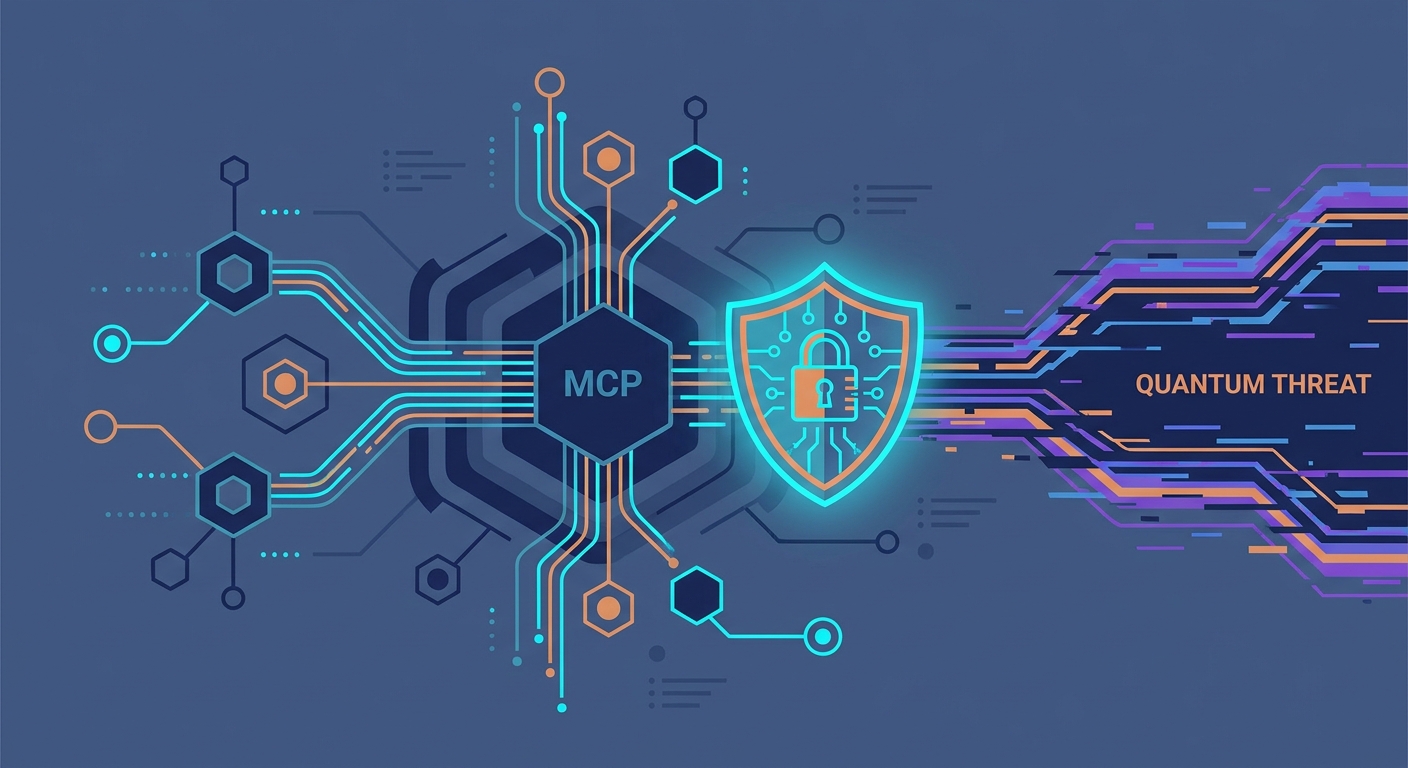
TL;DR
- ✓ Protect AI infrastructure from Harvest Now Decrypt Later quantum threats.
- ✓ Integrate NIST-approved ML-KEM and ML-DSA algorithms into MCP handshakes.
- ✓ Use hybrid encryption to combine classical reliability with post-quantum security.
- ✓ Secure transport-agnostic MCP sessions against future-dated quantum computing attacks.
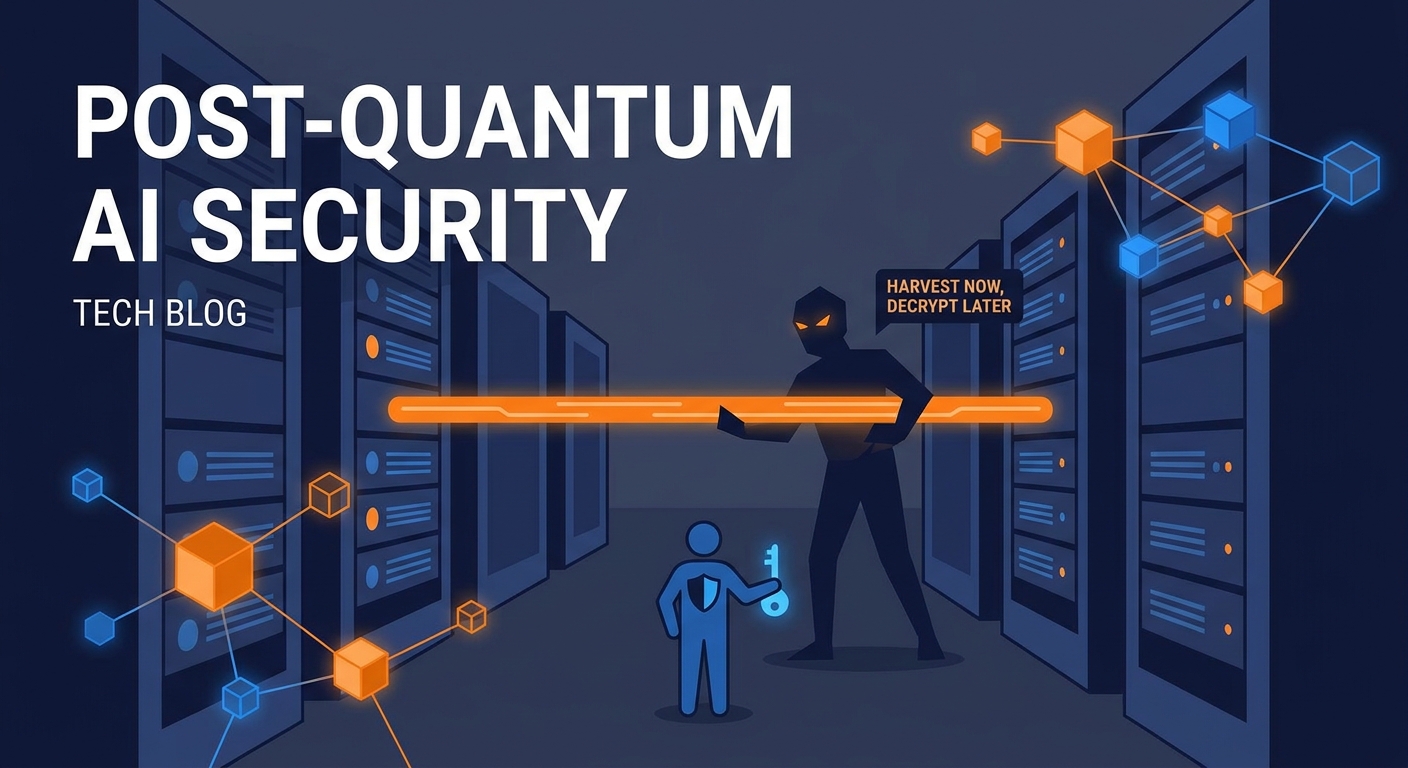
Quantum-resistant cryptography isn’t just for academics in ivory towers anymore. If you’re building with the Model Context Protocol (MCP), you’re already dealing with the "Harvest Now, Decrypt Later" (HNDL) threat. It’s a simple, terrifying reality: bad actors are sucking up your encrypted traffic today, waiting for the day a quantum computer can crack it open like a walnut.
If you want to keep your AI infrastructure secure, you have to act now. By weaving NIST-approved algorithms like ML-KEM and ML-DSA into your MCP handshakes, you lock the door before the thief even arrives. We’re talking about a hybrid approach—marrying the reliable math we use today with the post-quantum armor of tomorrow. It’s the only way to stay compliant and keep your proprietary data yours.
Why the "Harvest Now, Decrypt Later" Threat Keeps CISOs Up at Night
HNDL is the silent killer of data privacy. Think about it: every time an AI agent talks to a tool, it’s passing around system prompts, API keys, and business logic. That’s high-fidelity data. If a hacker intercepts that session and stores it, they’re playing the long game. Five or ten years from now, when quantum computing matures, they’ll run a "time-travel" attack on that data.
The 2026 Roadmap to Post-Quantum AI Infrastructure Security makes it clear: the clock is ticking. This isn't theoretical. If you aren't building for a post-quantum world, you’re effectively handing your intellectual property to future adversaries on a silver platter. There’s no hitting "undo" on a data breach a decade down the line.
MCP Architecture: A Different Kind of Security Challenge
MCP is different from your standard web traffic. It relies on a specific Client-Host-Server dance that is often long-lived and stateful. Standard TLS 1.3? It’s not enough.
To Secure MCP Deployments with Quantum-Resistant Cryptography, you have to pull the security layer away from the transport protocol. Since MCP is transport-agnostic, you have a unique advantage: you can bake quantum-hardened authentication right into the handshake. Whether you’re running over WebSockets or Stdio, you can ensure that every single session starts with a post-quantum key exchange, keeping your context data locked down from the very first packet.
The Hybrid Standard: The Best of Both Worlds
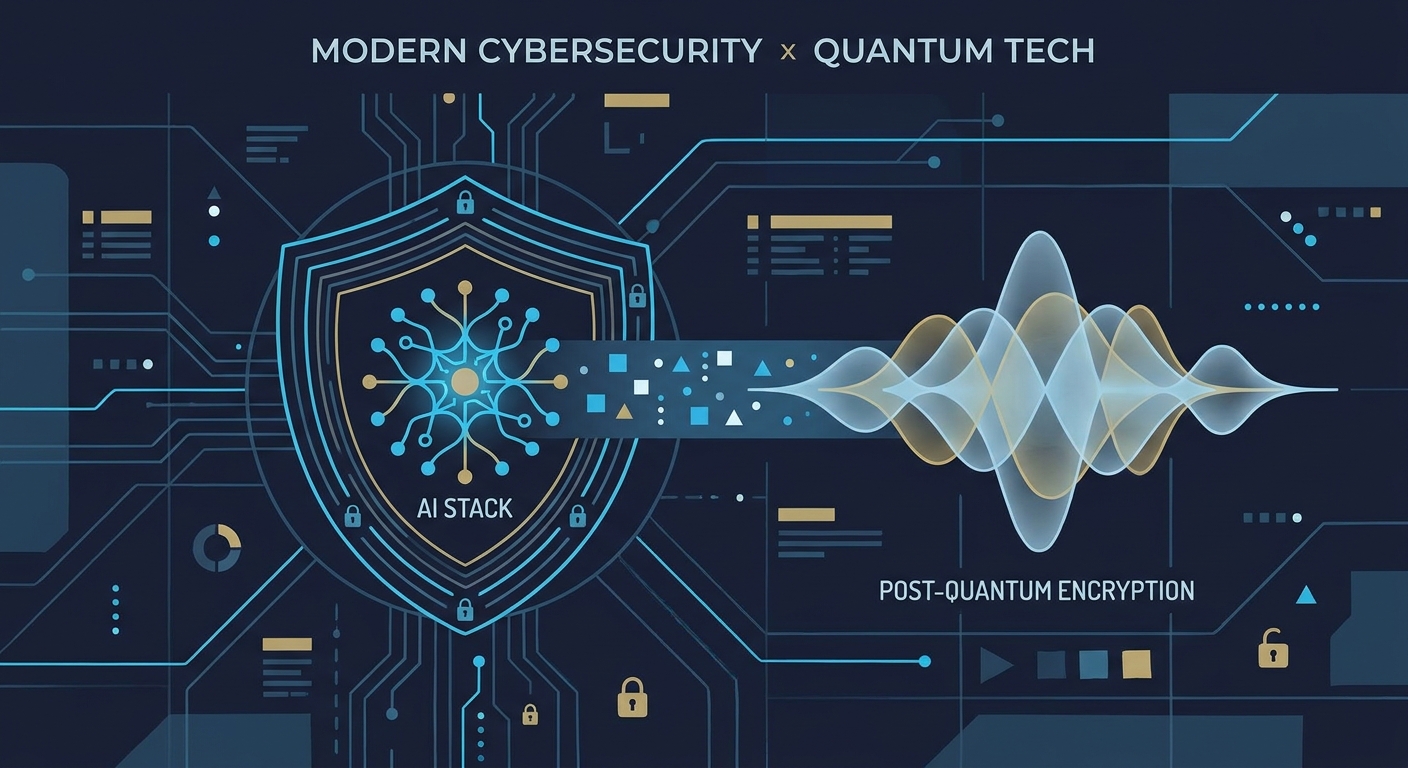
Don’t toss out your old encryption just yet. The industry is betting on a "Hybrid" approach, and for good reason. It combines the battle-tested reliability of classical algorithms like X25519 with the cutting-edge, quantum-resistant standards defined in the NIST Post-Quantum Cryptography Standards.
Think of it like a double-locked door. You use ML-KEM (for key exchange) and ML-DSA (for digital signatures). You concatenate the classical output with the PQC output. Even if a quantum computer manages to smash through your X25519, it still hits a brick wall with the ML-KEM layer. This is defense-in-depth, and it’s the only responsible way to migrate without breaking your current systems.
Architecting a Hybrid Handshake in MCP
To make this work, you need to tweak the negotiation phase. You're effectively sending a "best of both worlds" package during the ClientHello and ServerHello.
By combining these secrets into a final symmetric key via a Key Derivation Function (KDF), you create a tunnel that is as strong as its strongest link. It’s robust, it’s secure, and it’s ready for the future.
Practical Implementation: Getting Your Hands Dirty with liboqs
Ready to build? Your best friend here is liboqs (Open Quantum Safe). It’s the gold standard C library for this stuff.
Step 1: Audit Your Infrastructure
Before you write a line of code, map your MCP servers. Where do the handshakes happen? Which libraries are handling your TLS? You need to know exactly where you can hook in custom logic.
Step 2: Middleware is Key
Don’t rewrite your whole server. Use a middleware layer. If you’re in Python, use liboqs-python to intercept the connection. You’re essentially performing an auxiliary key exchange alongside the standard TLS handshake.
Step 3: Configure the Hybrid Exchange
Here’s a rough idea of how that hybrid wrapper looks:
# Conceptual Hybrid Handshake Wrapper
import oqs

def perform_hybrid_handshake(client_public_key):
    # Initialize ML-KEM
    kem = oqs.KeyEncapsulation("ML-KEM-768")
    public_key, secret_key = kem.generate_keypair()
<span class="hljs-comment"># Concatenate with classical X25519 share (simplified)</span>
<span class="hljs-comment"># ... logic for classical exchange ...</span>

<span class="hljs-comment"># Encapsulate secret</span>
ciphertext, shared_secret_pqc = kem.encap_secret(client_public_key)

<span class="hljs-comment"># KDF merges classical + PQC secrets</span>
final_key = derive_key(classical_secret, shared_secret_pqc)
<span class="hljs-keyword">return</span> ciphertext, final_key
This ensures only the "quantum-hardened" connections get through.
Performance: Will It Kill My Latency?
Relax. People worry that PQC is slow. While it is computationally heavier than standard ECC, we’re talking about microseconds. When your AI model spends half a second just thinking about its next token, an extra microsecond for a handshake is invisible. If you’re really worried, use hardware acceleration—AVX-512 instructions make this stuff fly.
Stay Agile: Future-Proofing Your Code
Algorithms change. Standards break. As noted in the Cloudflare Post-Quantum Blog, you don't want to be locked into one specific math problem.
Keep your crypto logic separate from your business logic. Build a "CryptoService" interface. If a new NIST standard drops or a weakness is found in ML-KEM, you swap the provider in your service layer. You don't touch the MCP core. Modular design is the only way to survive the rapid pace of modern cryptanalysis.
Frequently Asked Questions
Does implementing PQC in MCP break compatibility with existing AI tools?
No, provided you use a hybrid implementation. The hybrid approach allows your server to support both standard clients and quantum-ready clients simultaneously. You can negotiate the capability during the initial handshake, allowing for a graceful fallback or a mandatory upgrade path depending on your security policy.
What is the most critical component of MCP to secure with PQC first?
The initial session establishment and handshake are the most critical. This is where the session keys are negotiated and the initial trust is established. Securing the handshake prevents an attacker from intercepting the session keys, which are required to decrypt all subsequent traffic in the session.
How does quantum-resistant cryptography affect the latency of AI agent responses?
While PQC algorithms are computationally more intensive than classical ones, the impact is minimal compared to the latency of AI token generation. In most production MCP environments, the added handshake latency is imperceptible to the end-user, often amounting to less than 1-2ms per connection.
Are there specific NIST standards I must follow for MCP compliance?
Yes. You should align your implementation with FIPS 203 (ML-KEM) for key encapsulation and FIPS 204 (ML-DSA) for digital signatures. These are the current benchmarks for quantum-resistant security and are increasingly required for government and enterprise-grade AI infrastructure.
Can I implement PQC in an existing MCP server without a full migration?
Absolutely. By using a modular, middleware-based approach, you can phase in PQC support. Start by enabling quantum-safe handshakes for high-privilege agent sessions, then expand coverage as you validate the performance and reliability of the implementation across your tool ecosystem.